
By Paul Homewood

There is another piece of the jigsaw on the role of that big orange thing in the sky.
Back in 2006, the Met Office published the “Climate Memorandum No 21” Report. The original link I had no longer works, but it is still there on Wayback:

It looks at a full range of climate data, to identify trends and correlations since 1910, but I was particularly interested in the data on sunshine hours:

Most regions had seen significant increases in sunshine hours. The exceptions were N Scotland, N Ireland and SW England, all largely unaffected by air pollution. Note the report’s comment that this could be the result of Clean Air Acts of 1956 onwards.
But what effect could this have?
The Report sums up the relationship between all of the variables. (Remember that the correlation co-efficient goes from 0 to 1, with 1 being a perfect correlation, and even 0.7 being a “strong linear relationship” (see here). Zero, of course, tells us there is no relationship. Minus co-efficients work the same way, except the relationship is negative – eg more sum = less rain).

There is a particularly strong correlation between sunshine and mean temperatures in both spring and autumn, though surprisingly less so in summer. In winter there is a weak negative relationship. As the Report states:
There is quite a strong positive correlation between maximum temperature and sunshine, especially in the spring and autumn, with values of r up to 0.85. Minimum temperature is negatively correlated with sunshine in the winter, and positively correlated in spring and autumn, but with lower values of r than for maximum temperature.
It also includes these maps:.

The biggest increases are in winter, but of course these are percentages, so will translate into relatively smaller increases in hours.
So we have:
1) An increase in sunshine hours over the record.
2) The strong likelihood that this is at least partly due to reduced air pollution.
3) Strong correlation between that increase in sunshine, and the rise in mean temperatures over the period.
Furthermore, there has been little trend in winter temperatures. Most of the increase has come from the other three seasons:
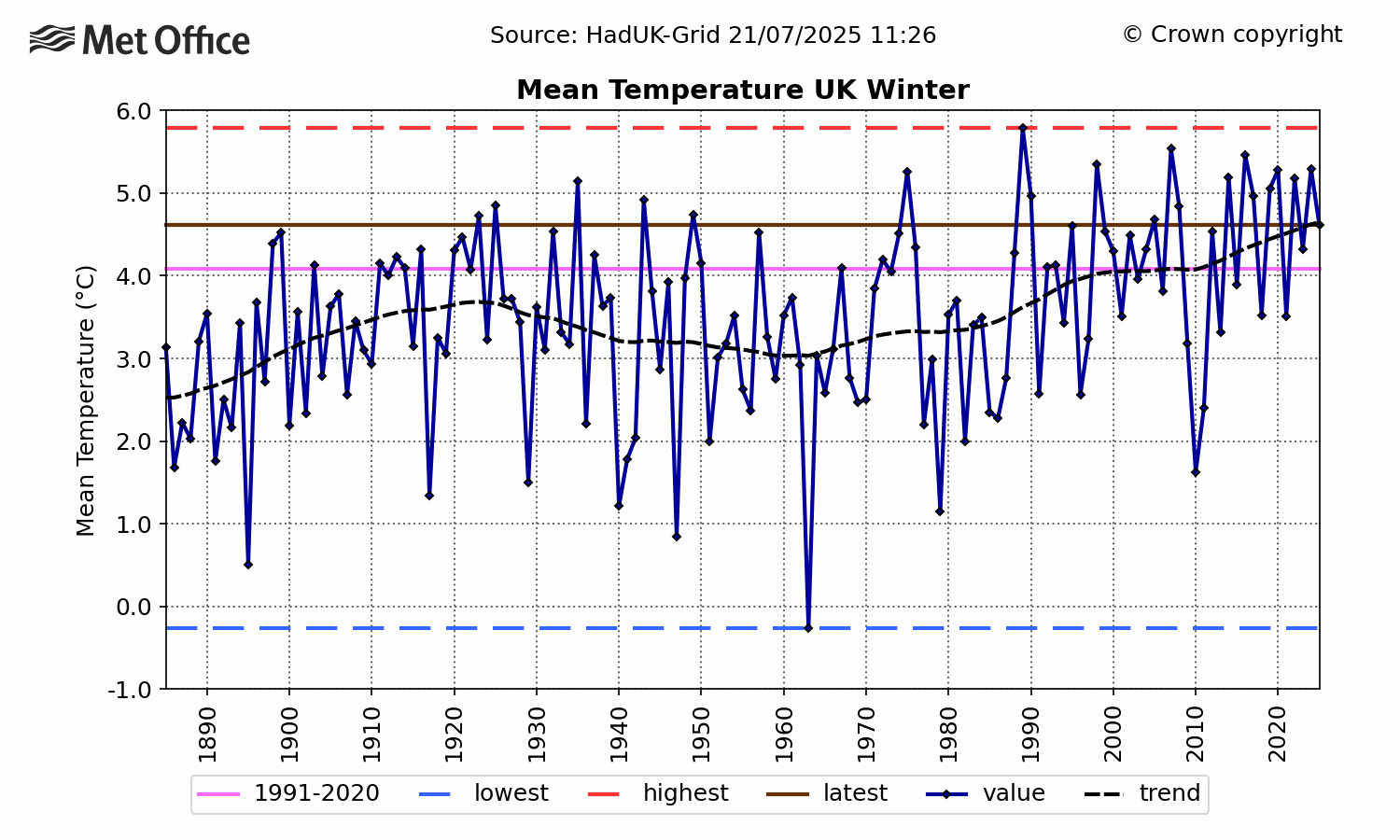
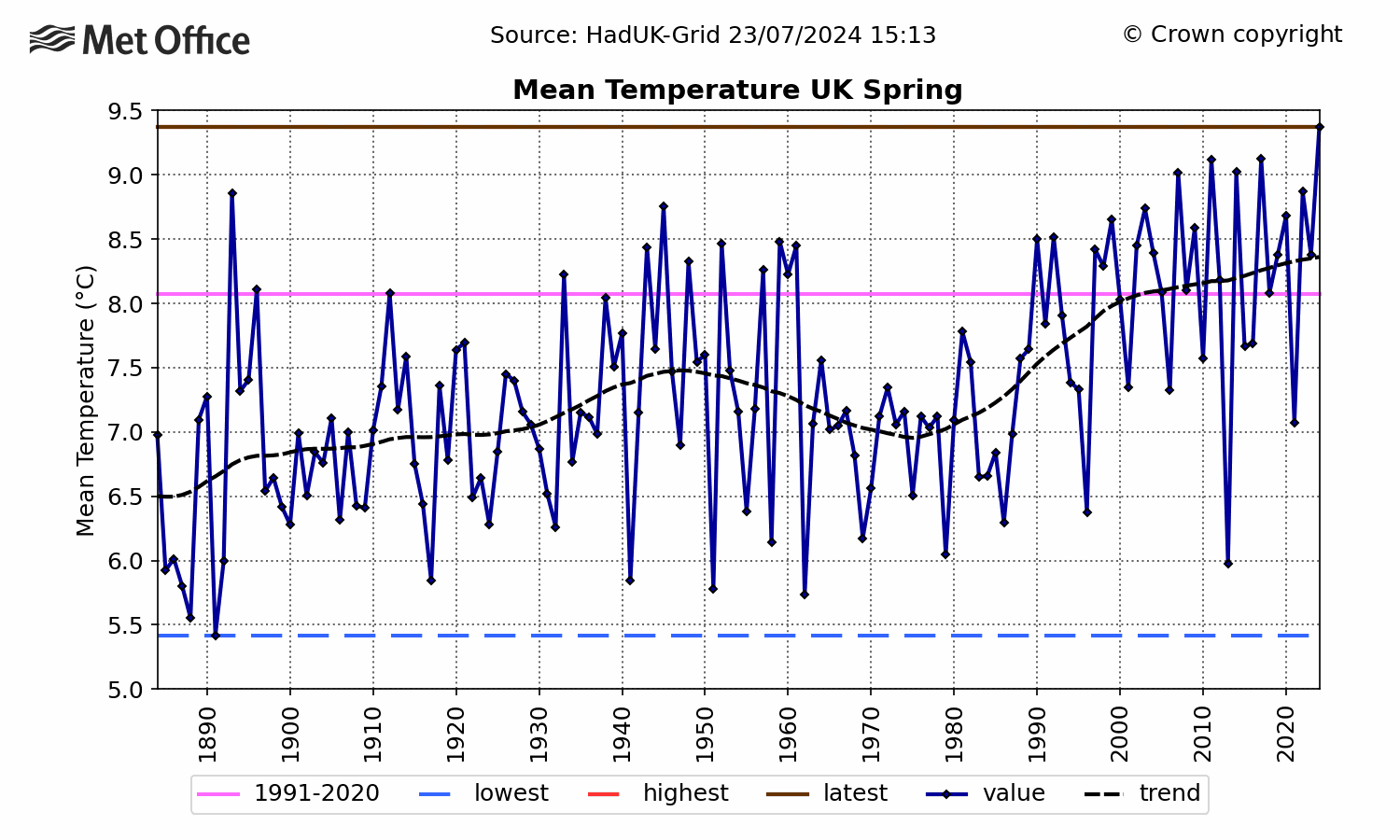
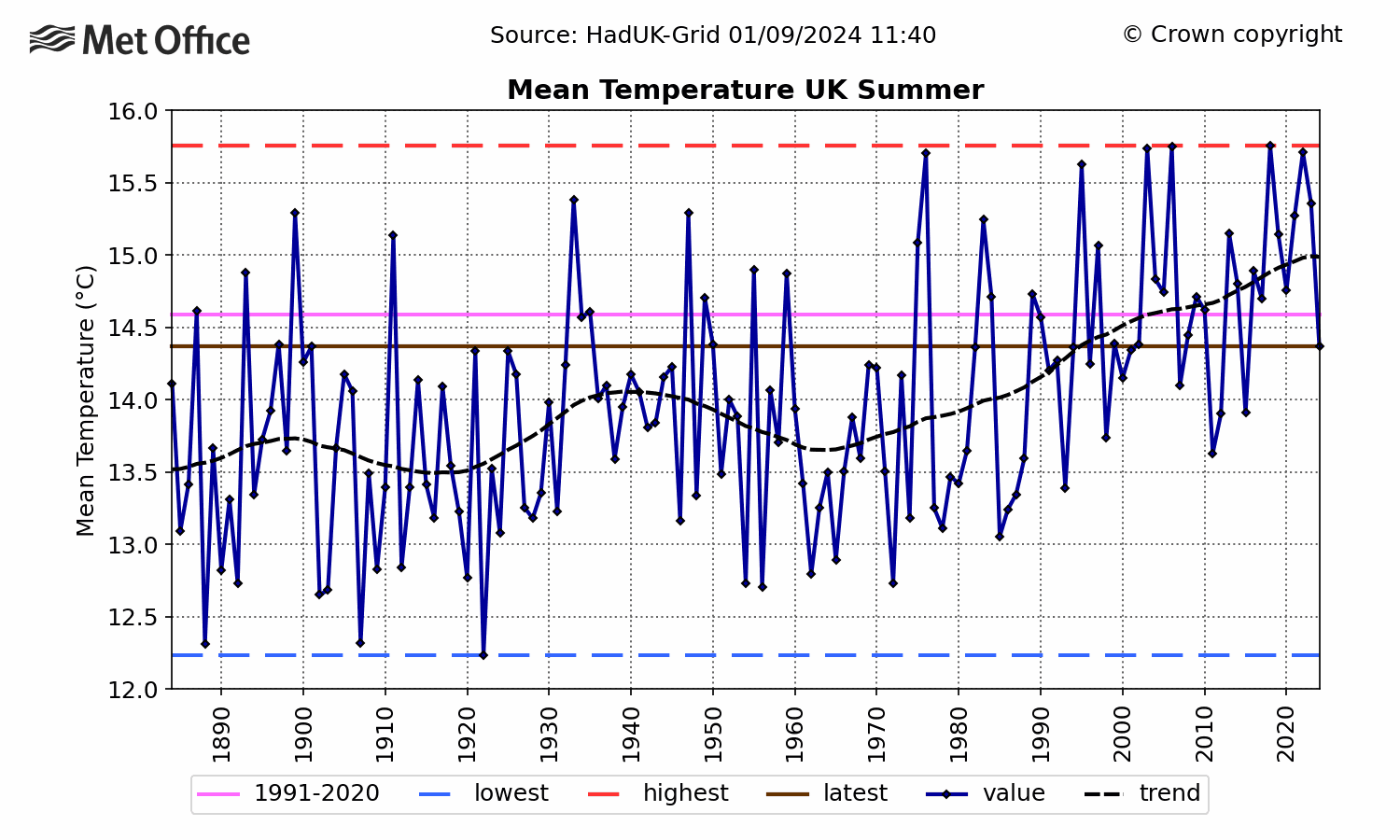
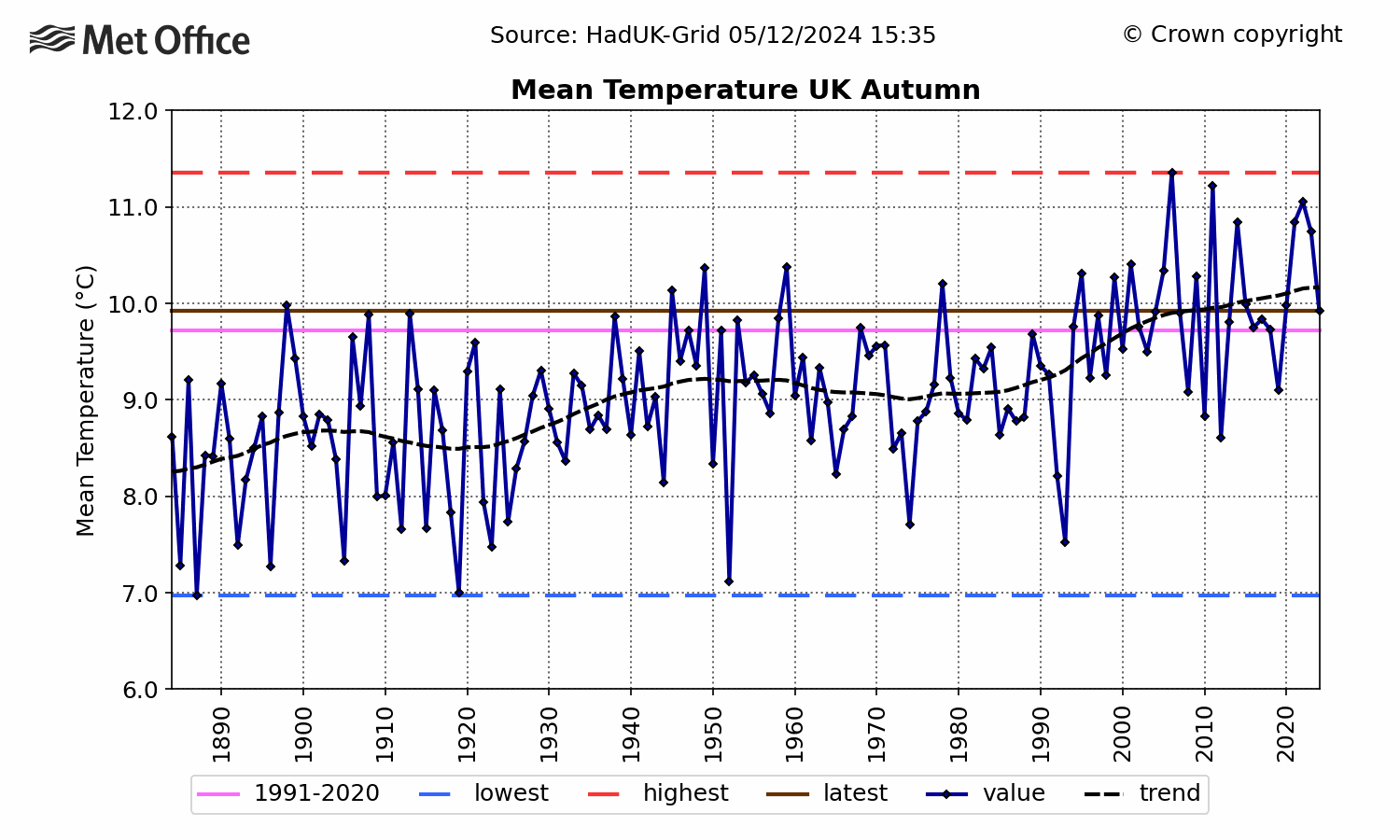
https://www.metoffice.gov.uk/climate/uk/summaries/actualmonthly
All of the above flies in the face of the generally accepted theory that higher temperatures in the UK have been caused by GHGs.
There are two more parts to the jigsaw:
1) Mean sea level pressure data shows no significant trends since 1961, meaning that the increase in sunshine hours does not appear to be connected with it.

2) There has been a steady increase in vapour pressure, and as the correlation table showed, this is strongly related to rising temperatures during all four seasons.


Which brings us back to the rise in near-coastal SSTs, mentioned in my earlier post.
What caused SSTs to rise?
The obvious conclusion is that the increase in sunshine, for whatever reason, has warmed both the waters and land. Warmer seas then reinforce those land temperatures.
One question remains. The Met Office knew all of this in 2006, yet as far as I am aware the question of sunshine trends has largely been ignored by them since. Instead, with classic tunnel vision, they look no further than CO2 to explain the small rise in temperatures over the last few decades.
via NOT A LOT OF PEOPLE KNOW THAT
September 24, 2018 at 04:42PM
 Iowa Climate Science Education