
Update: February 7, 2020
This is an update to a post The Ever Changing Climate with a new slide showing fluctuating Alpine glaciers over several thousand years. Context below is from the previous with the new content.
Raymond of RiC-Communications studio commented on a recent post and made an offer to share here some graphics on CO2 for improving public awareness. He has produced 12 interesting slides which are presented in the post Here’s Looking at You, CO2. I find them straightforward and useful, and appreciate his excellent work on this. Project title is link to RiC-Communications. This post presents the five initial charts he has so far created on a second theme The World of Climate Change and adds another regarding Alpine glacier studies by two prominent geologists. I appreciate that Raymond was able to interact with these two experts in their native German language.
This project is The World of Climate Change
Infographics can be helpful, in making things simple to understand. Climate change is a complex topic with a lot of information and statistics. These simple step by step charts are here to better understand what is occurring naturally and what could be caused by humans. What is cause for alarm and what isn’t cause for alarmism if at all. Only through learning is it possible to get the big picture so as to make the right decisions for the future.
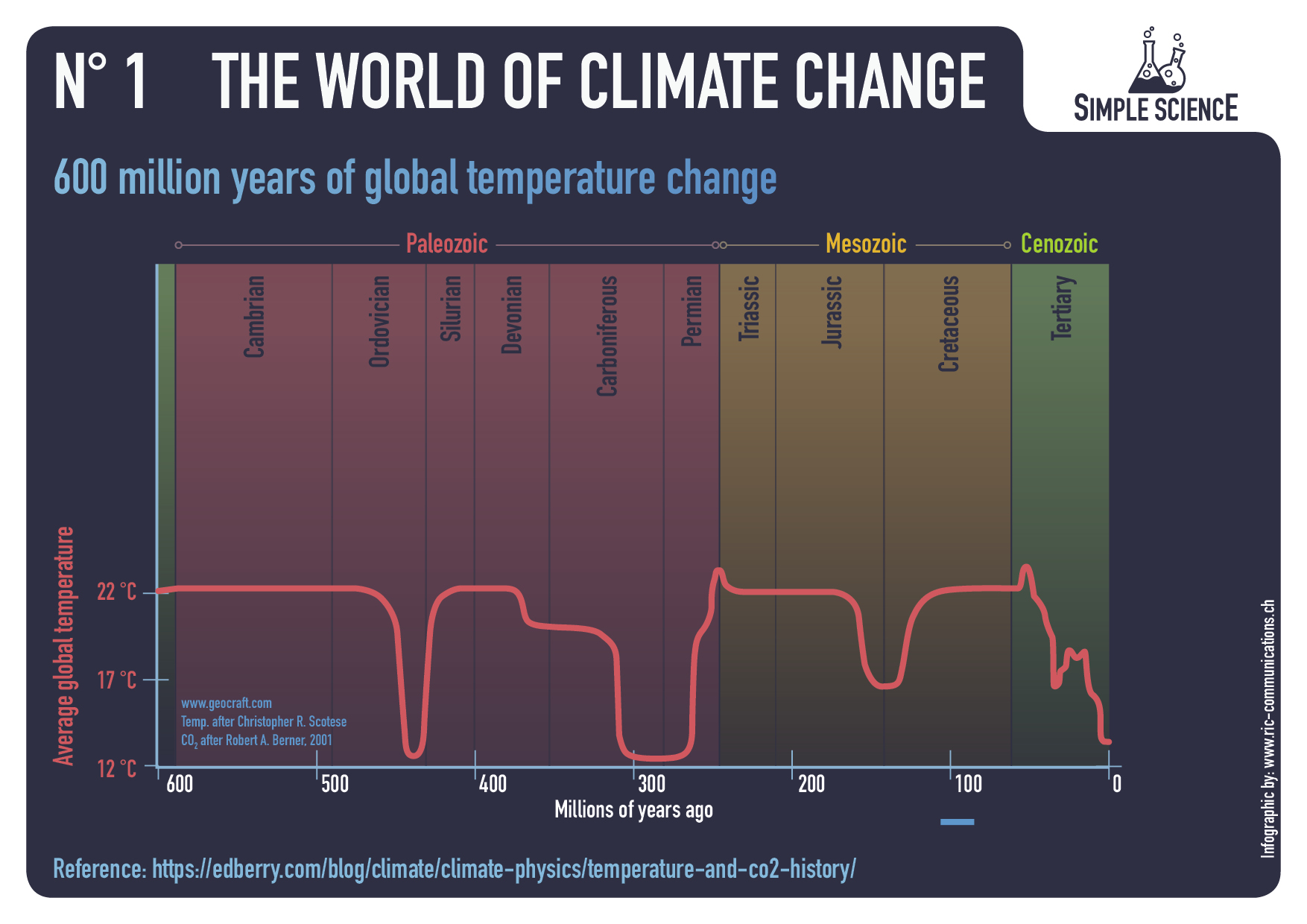
– N° 1 600 million years of global temperature change
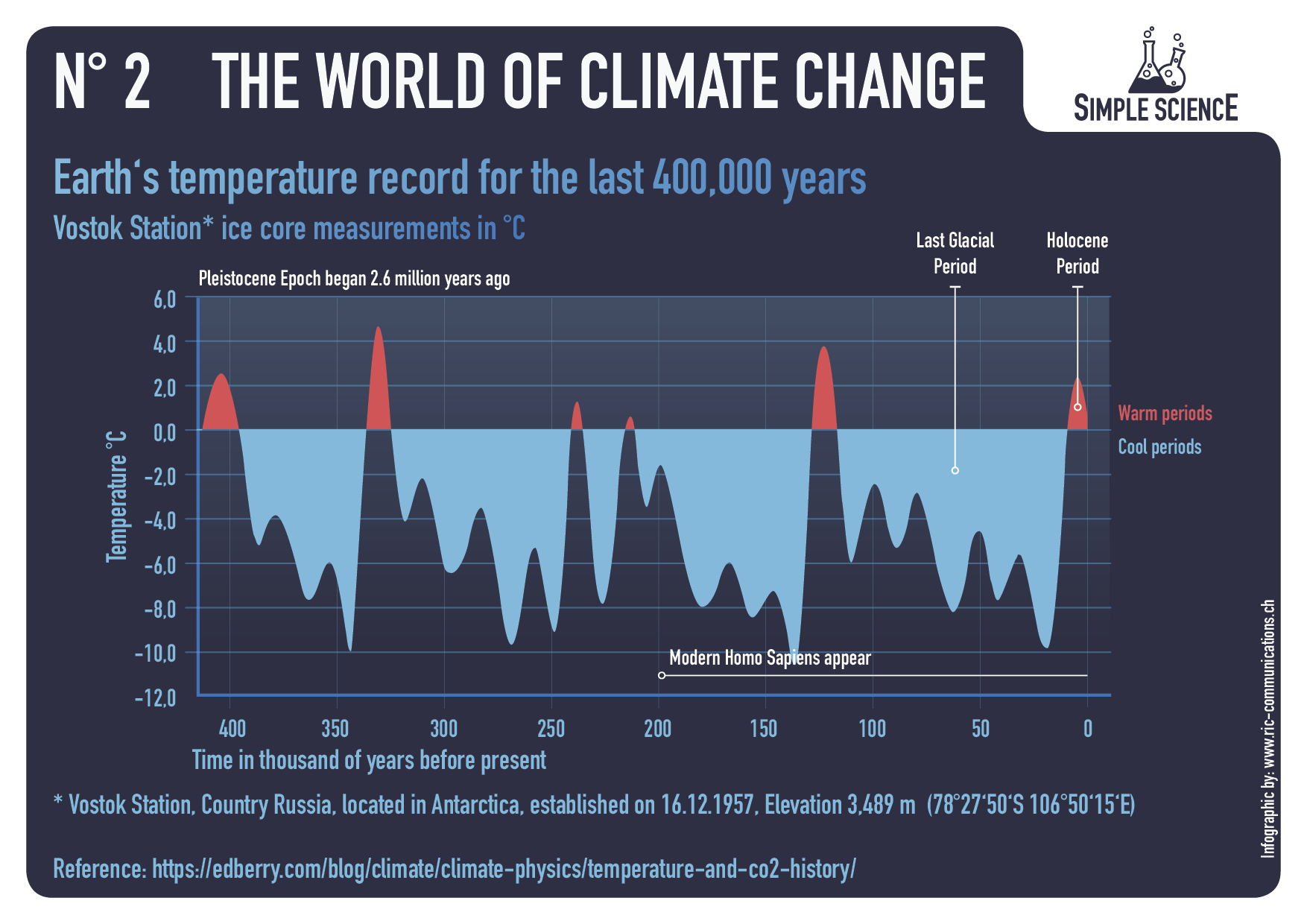
– N° 2 Earth‘s temperature record for the last 400,000 years
– N° 3 Holocene period and average northern hemispheric temperatures
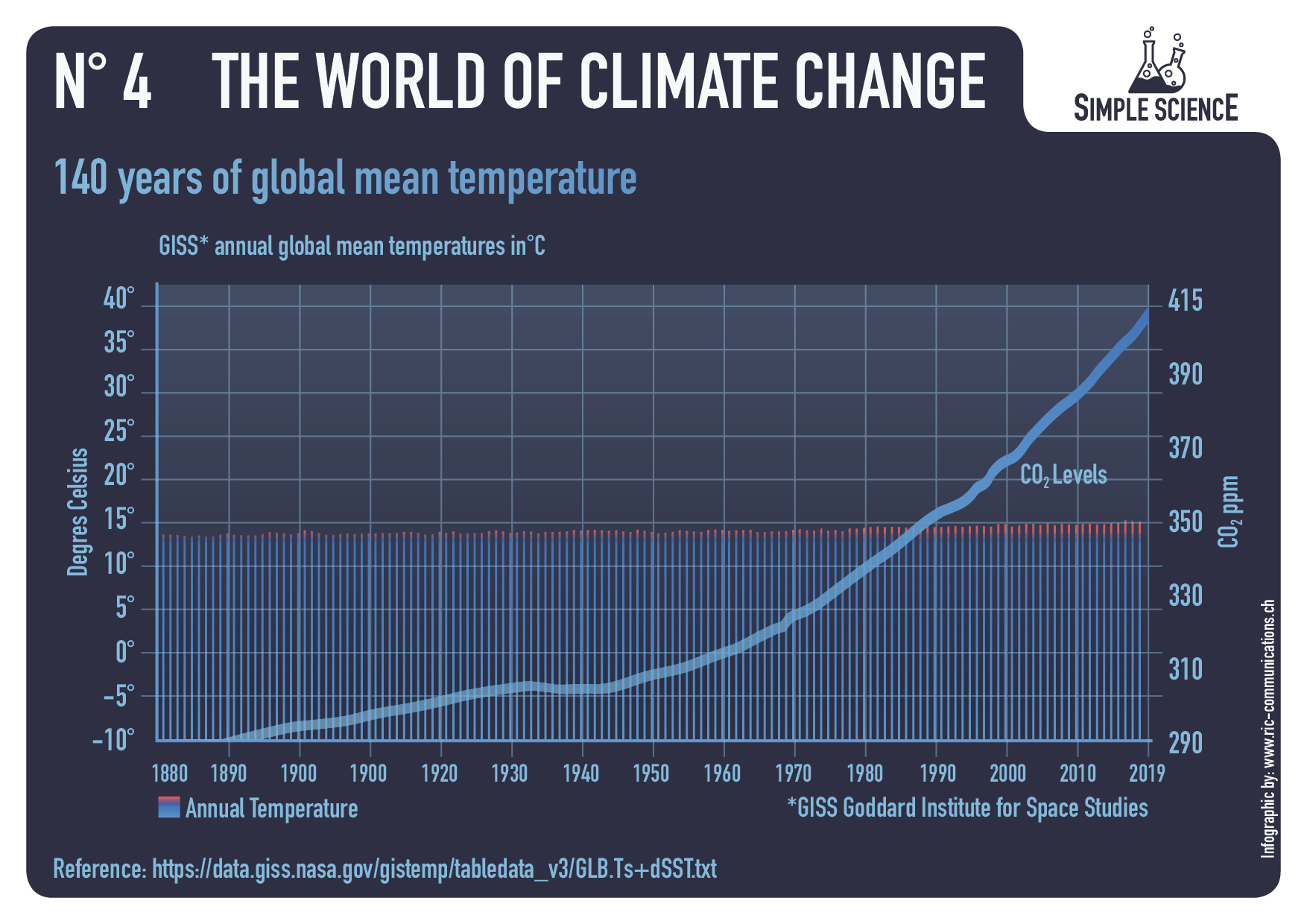
– N° 4 140 years of global mean temperature
– N° 5 120 m of sea level rise over the past 20‘000 years
– N° 6 Eastern European alpine glacier history during the Holocene period.

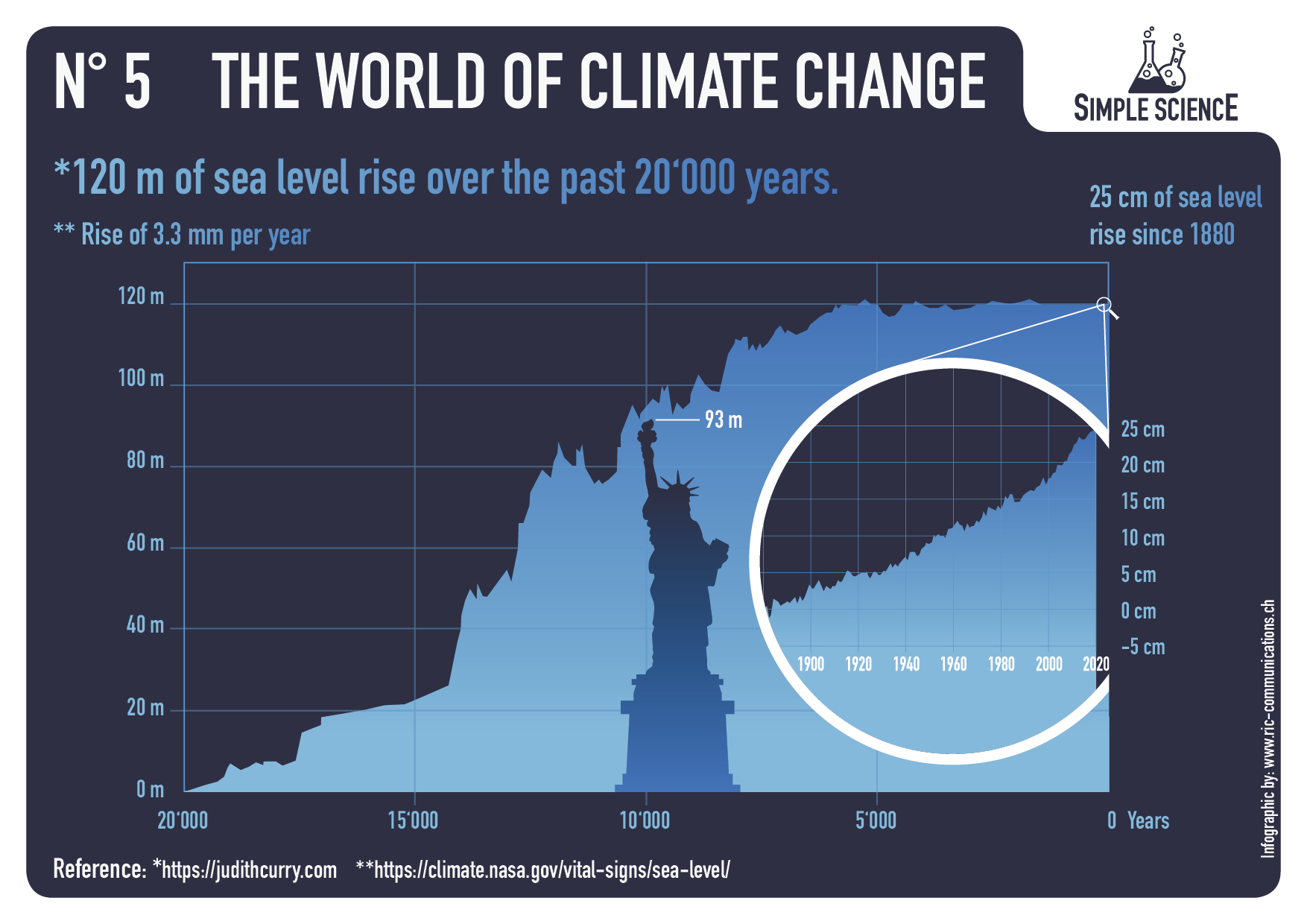

Comment:
This project will explore information concerning how aspects of the world climate system have changed in the past up to the present time. Understanding the range of historical variation and the factors involved is essential for anticipating how future climate parameters might fluctuate.
For example:
The Climate Story (Illustrated) looks at the temperature record.
H20 the Gorilla Climate Molecule looks at precipitation patterns.
Data vs. Models #2: Droughts and Floods looks at precipitation extremes.
Data vs. Models #3: Disasters looks at extreme weather events.
Data vs. Models #4: Climates Changing looks at boundaries of defined climate zones.
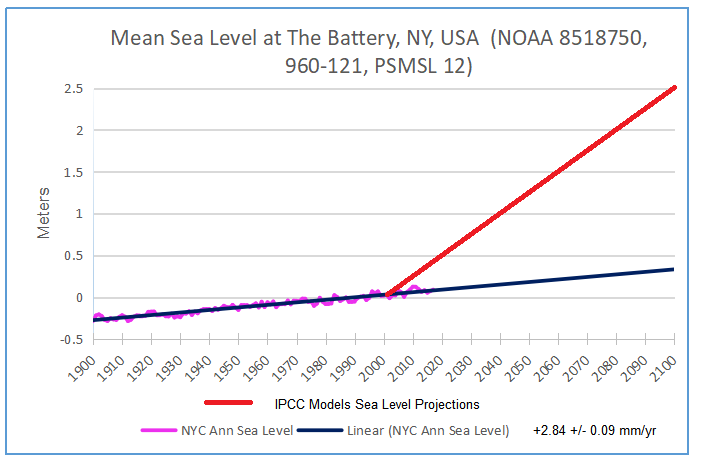
And in addition, since Chart #5 features the Statue of Liberty, here are the tidal guage observations there compared to climate model projections:
via Science Matters
February 7, 2020 at 06:27AM
 Iowa Climate Science Education