
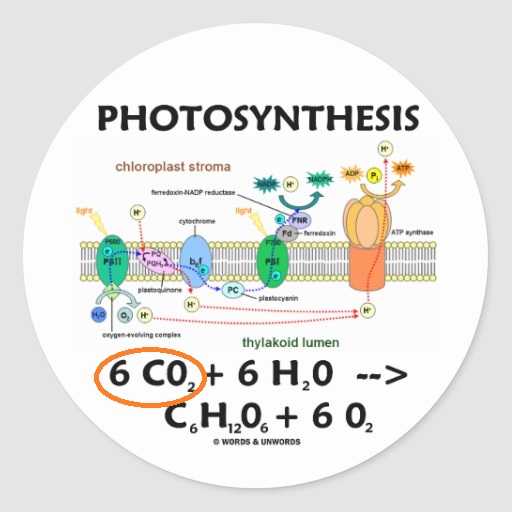
CO2 is not pollution
Somehow this is largely due to ‘top-down diktats from Davos’ and ‘Davos culture’ needs to be disrupted, according to this article. The central sticking points of course being that pulling out of fossil fuel use equates to giving up on being a modern and prosperous industrial society, and doing so wouldn’t alter the climate in any noticeable way anyway. Carbon dioxide is not a pollutant.
– – –
Carbon emissions are 60% higher than they were in 1990, when the first IPCC report was published. This is a symptom of a highly unsustainable political economy, asserts Climate Home News.
The UK Government approves new North Sea oil fields and presides over airport expansion. The EU ignores climate science, embraces ‘gas as a transition fuel’ and sees SUV sales soar to a record high.
Across the Atlantic, US president Joe Biden’s climate claims are undermined by $25 billion of federal funding for airport development and a rise of over 6% in US CO2 emissions in 2021.
Three months on from Cop26, with declarations of climate emergencies now de rigueur and with Exxon and Saudi Arabia joining the “net zero” choir, emissions in 2022 are again set to rise.
As we return to a thriving business as usual, it is surely time to reflect with humility on our long-standing failure to curb global greenhouse gas emissions.
After decades of scientific warnings of climate disruption, a constant round of international negotiations and myriad forms of “climate action”, how is it that carbon emissions today are 60% higher than they were in 1990, when the first Intergovernmental Panel on Climate Change report was published?
This is the central question we address in an article for the latest Annual Review of Environment and Resources, co-written by an interdisciplinary team of twenty-three authors.
Continued here.
via Tallbloke’s Talkshop
March 6, 2022 at 03:09AM
 Iowa Climate Science Education