Month: April 2022

Leonard Lim’s Exquisite Photography of John Brewer Reef

The Australian Institute of Marine Science (AIMS) have been tasked with reporting on the state of the corals and coral cover.  They surveyed John Brewer Reef in March, made no mention of any coral bleaching in their report, and stated coral cover to be just 21.8%.  There are no photographs.
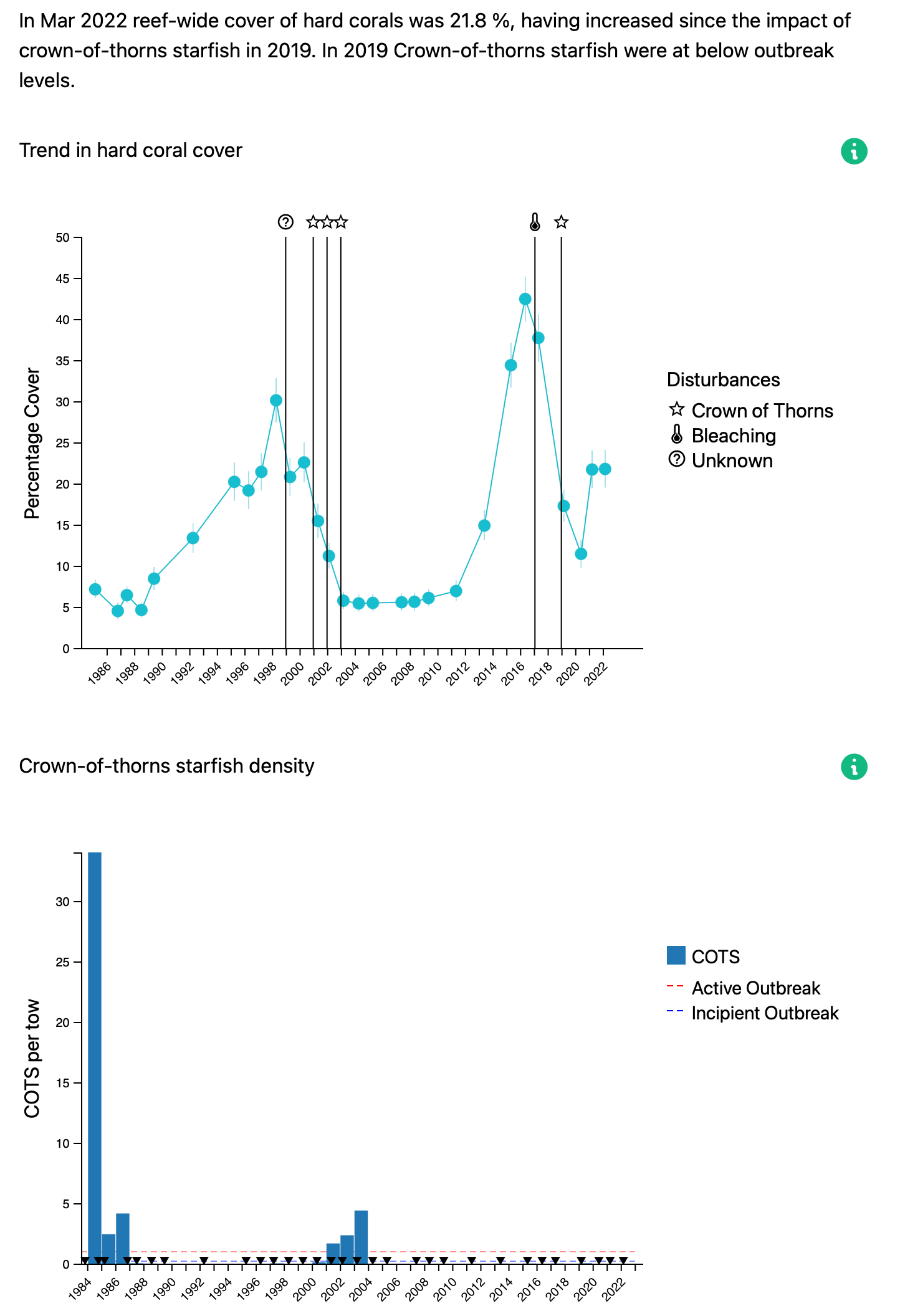
AIMS have large ships to survey the corals but they don’t employ professional underwater photographers who might show us the true state of the corals including at the reef crest where coral cover is often more than 80%.

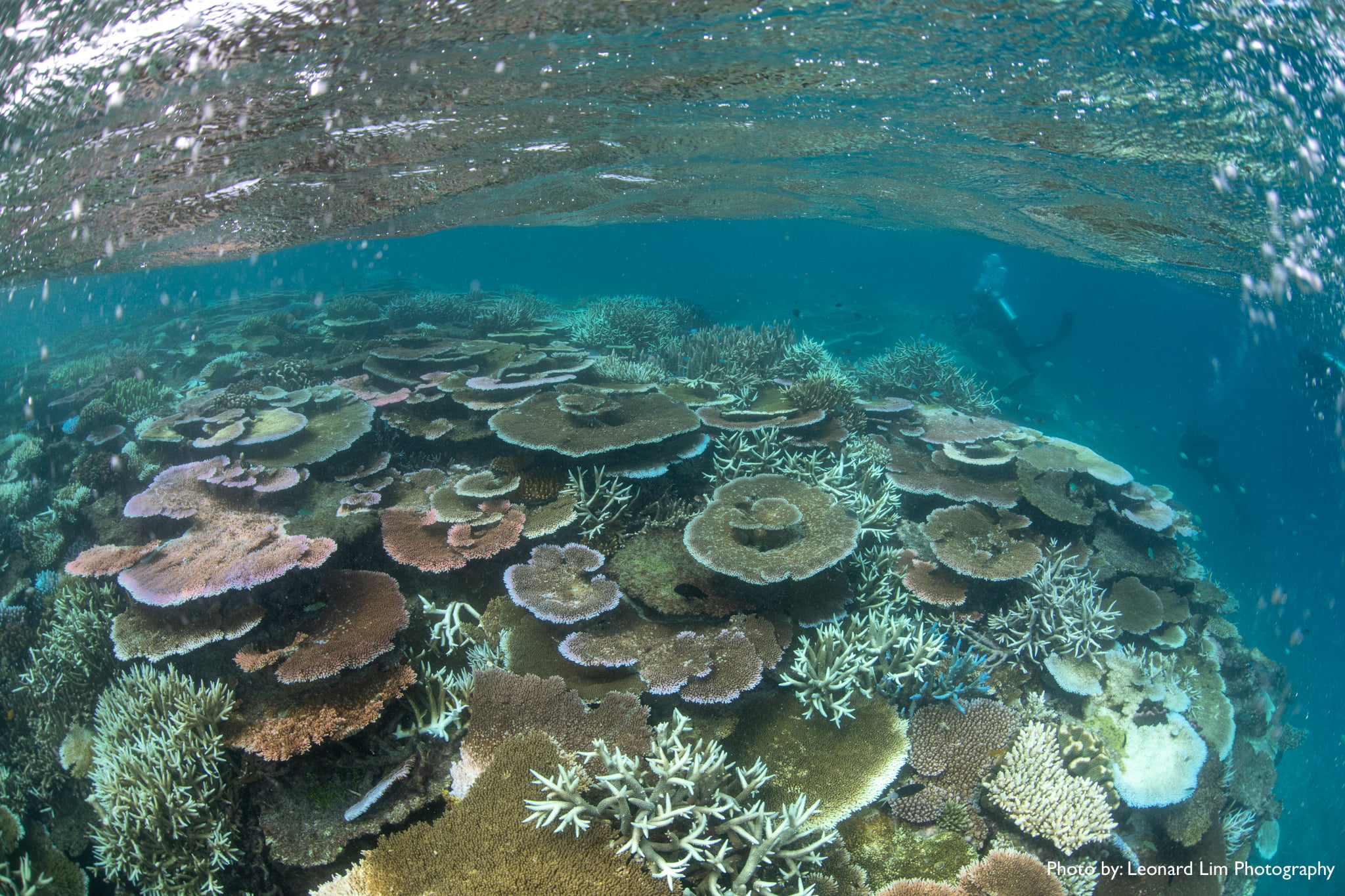
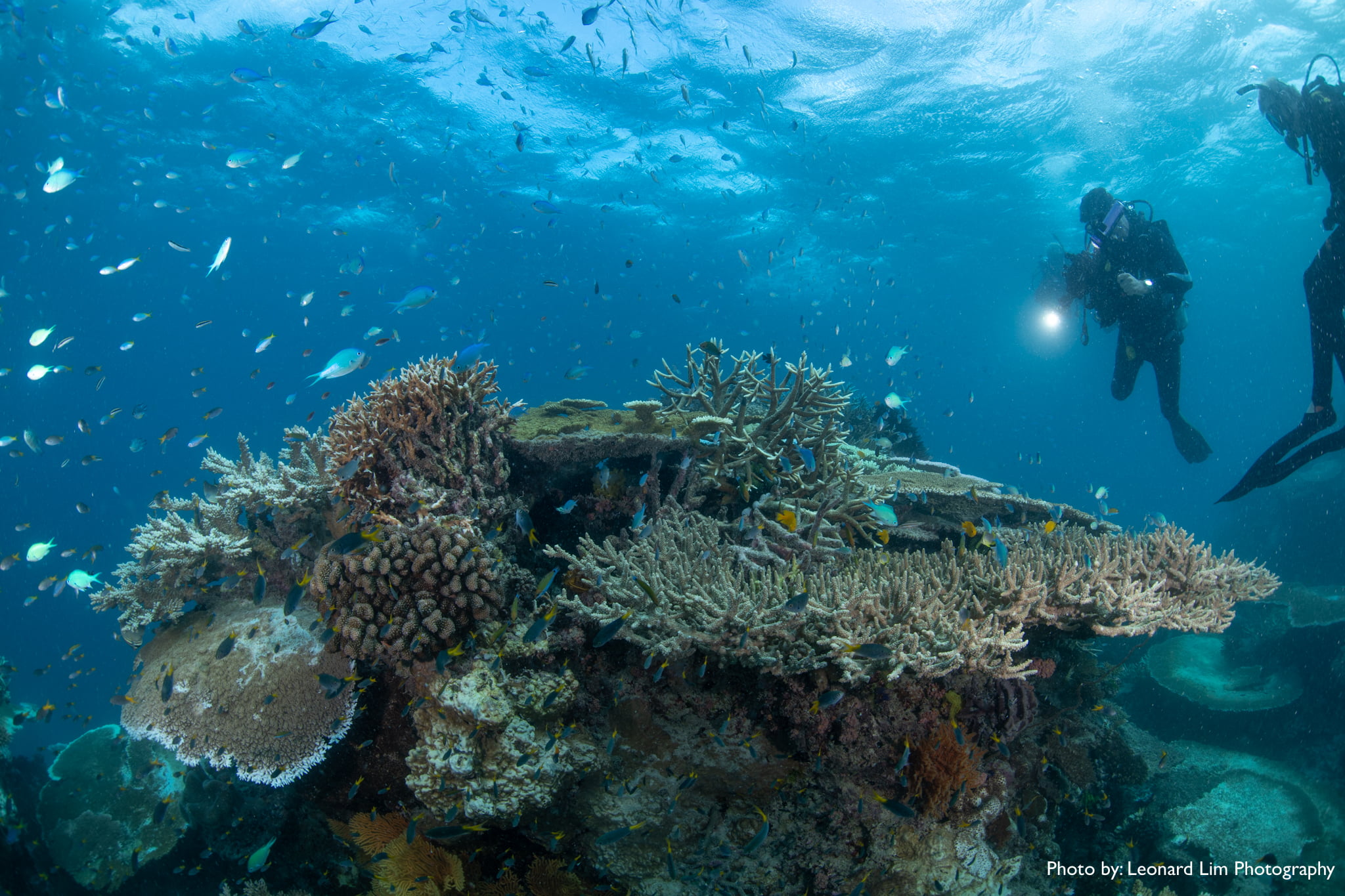
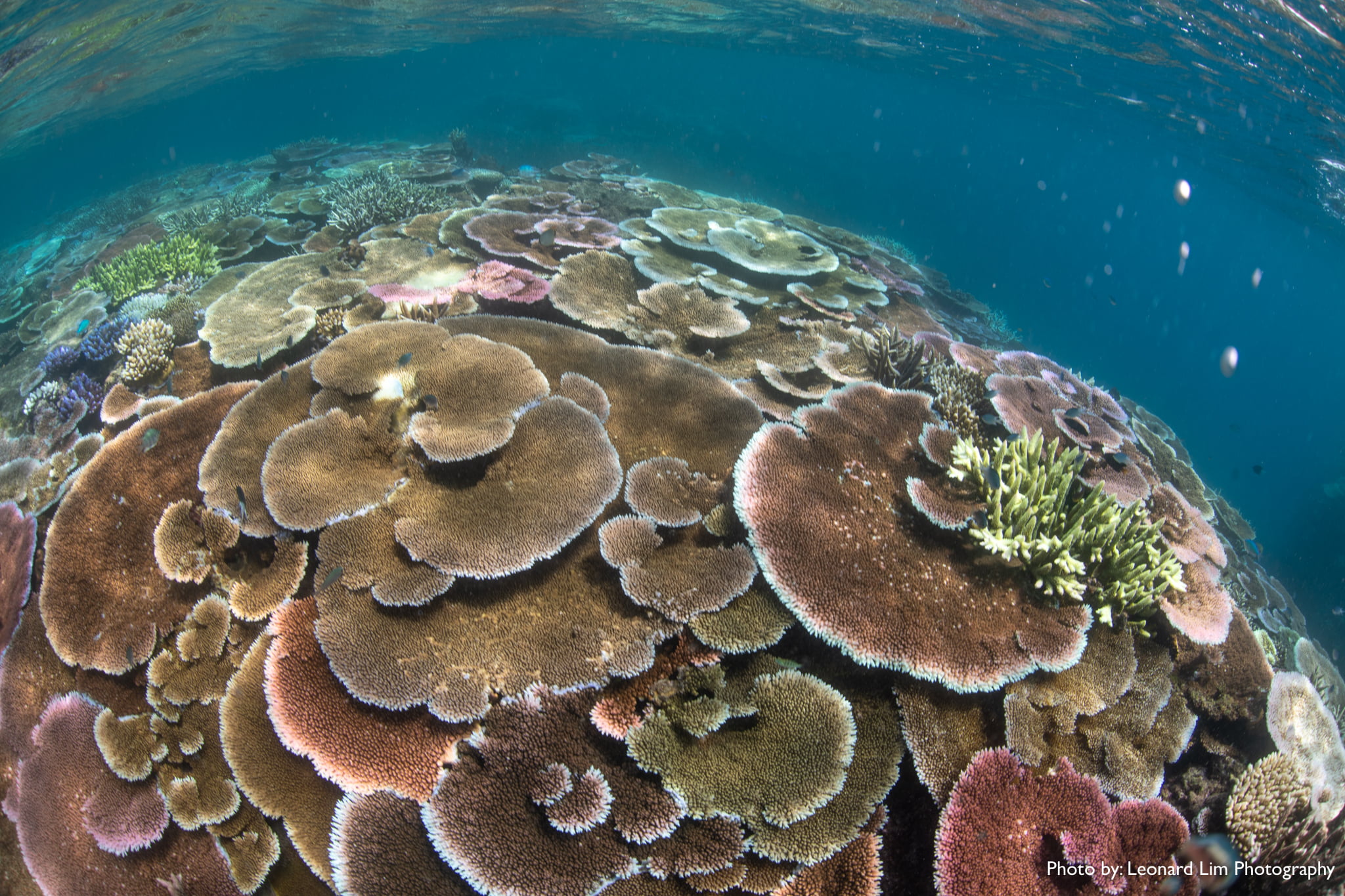
Underwater photographer Leonard Lim visited this same coral reef a month later and his extraordinary underwater photographs show a coral wonderland with more than 100% coral cover across much of the reef crest that extends for nearly 5 kms.   At the reef crest a great diversity of different corals compete for light – often growing one over another.  It would be absurd to suggest there was only 21.8% coral cover here.
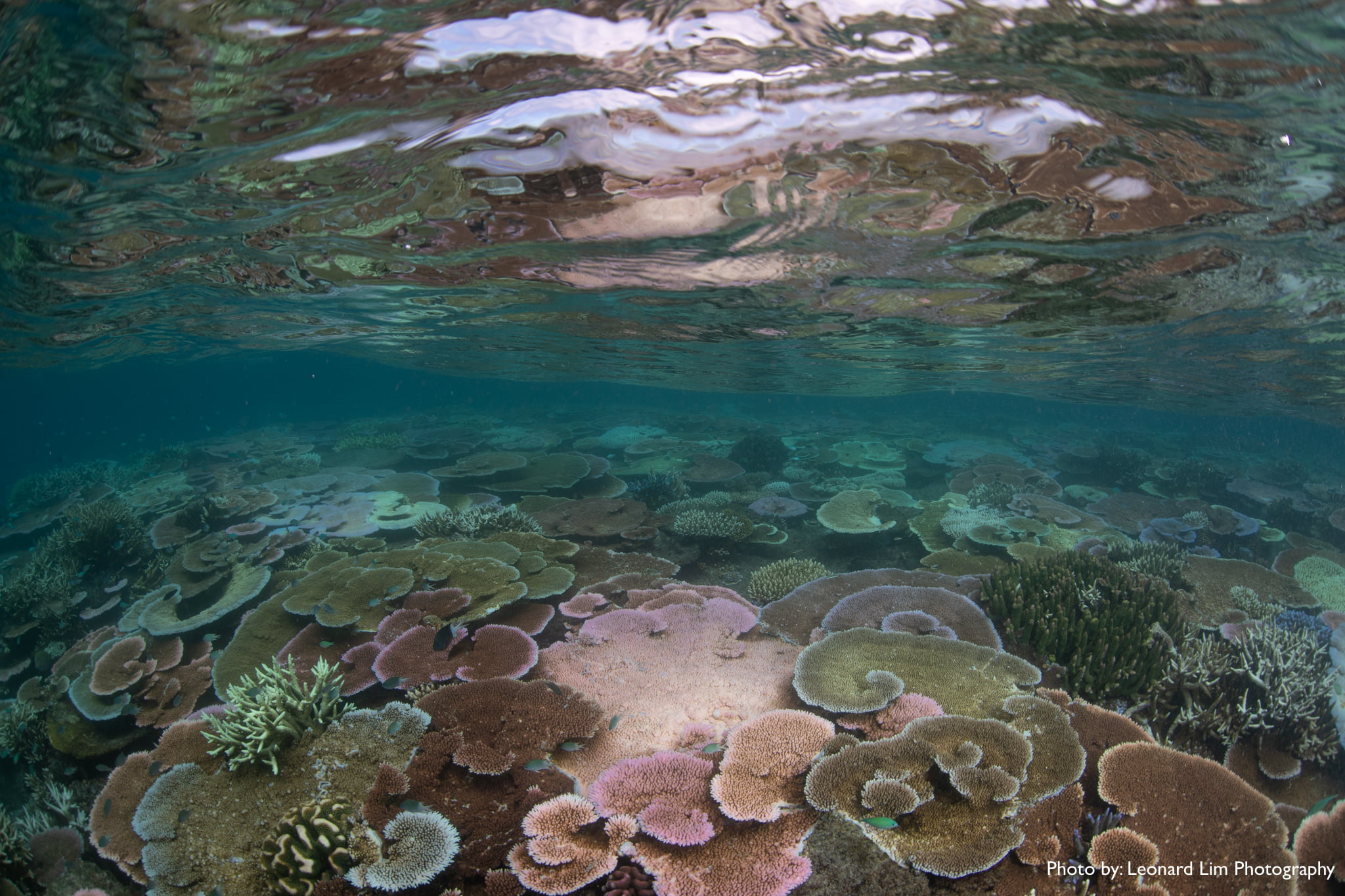
Photographs by Leonard Lim taken on 10th April 2022 show more than 100% coral cover at the reef crest.

AIMS misleadingly report that coral cover at John Brewer is just 21.8% by surveying only the perimeter of this reef.  There methodology is absurd, and it avoids those habitats with most coral cover.
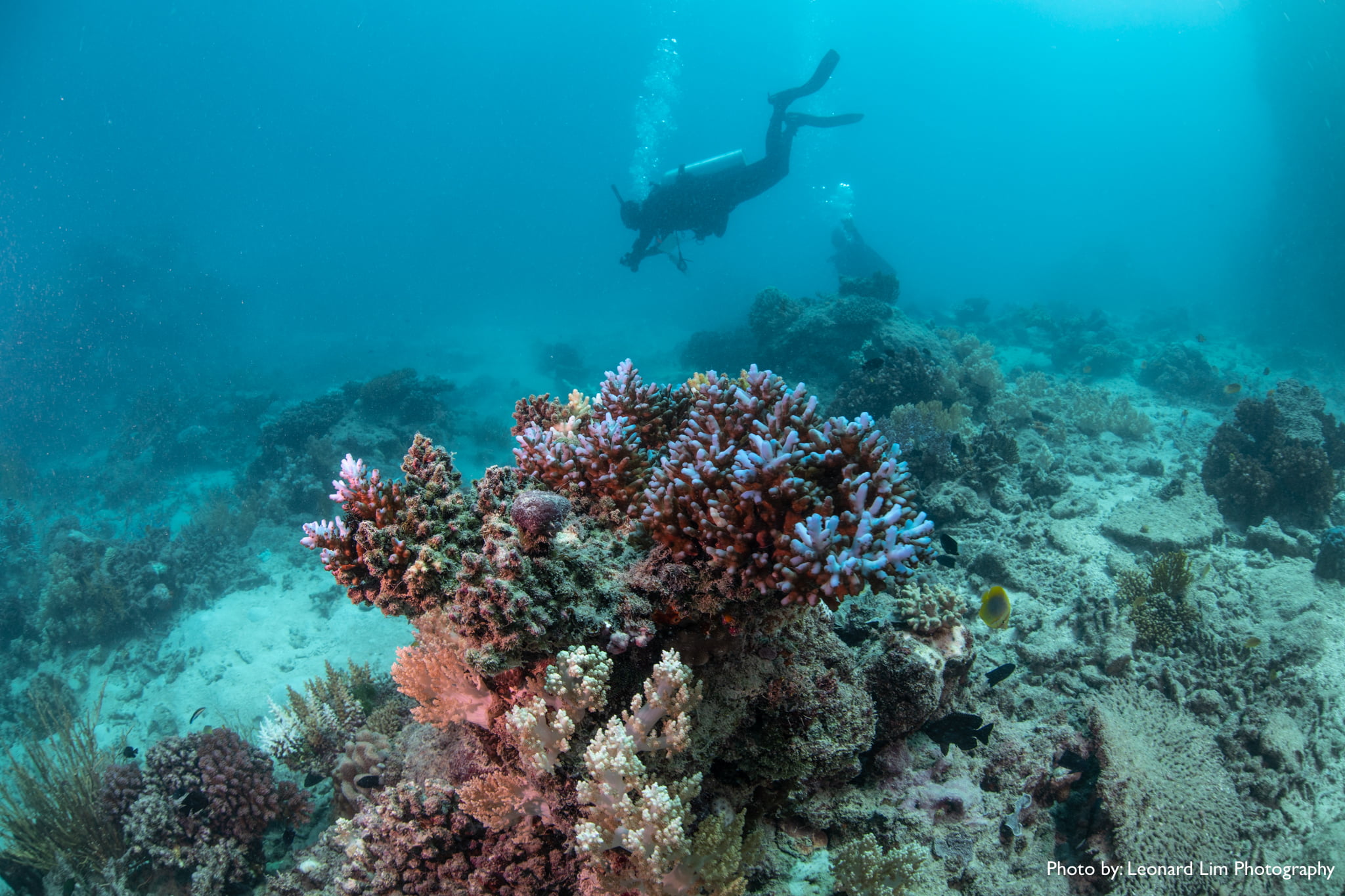
Jennifer Marohasy swimming from the reef crest down to the sandy bottom where AIMS undertake their surveys to measure coral cover. Photographed on 10th April 2022 at John Brewer Reef by Leonard Lim.
Cinematographer Stuart Ireland filming below the reef crest at John Brewer Reef on 12th April 2022. Photograph by Leonard Lim.

Anyone serious about accurately reporting coral cover at John Brewer reef would swim around the perimeter and also over the top where most of the coral is – this is what photographer Leonard Lim did.

Each Leonard Lim’s photographs are a work of art, and also an accurate depiction of this reef for that moment in time.   From Leonard Lim’s photograph we can see how coral cover varies with the different reef habitats as does the form of the different coral species.  They are flat topped across the reef crest where sea level is such a limit to growth.  Around the perimeter the corals are sparser and taller.
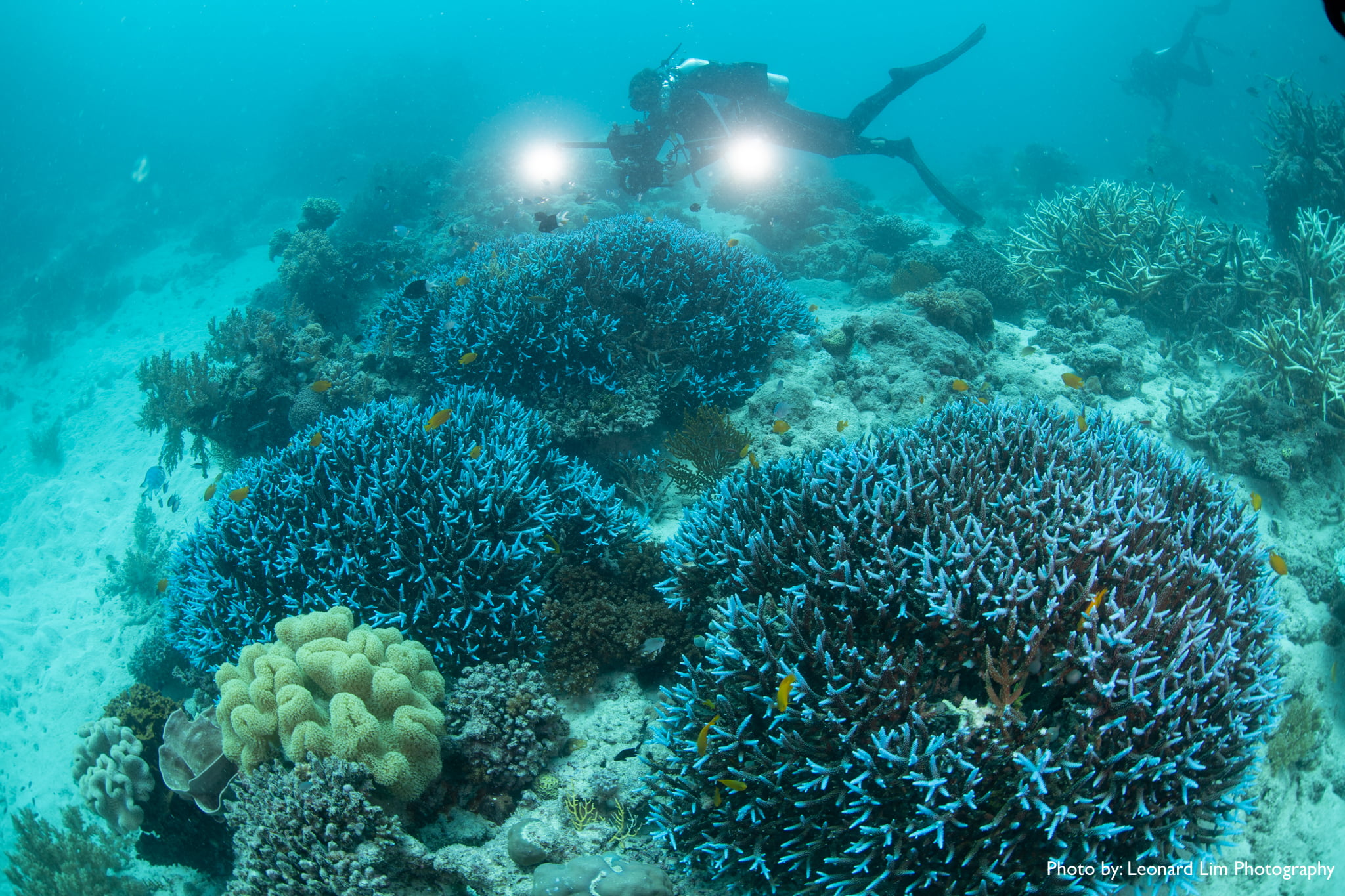
There is such diversity and such beauty at this reef.  Yet the New York Times is reporting a sixth massive coral bleaching event and The Guardian is explaining that John Brewer Reef is at the centre of it all.  These sources of news for millions of people are taking their lead from taxpayer funded activists at leading Australian research institutions including the Australian Institute of Marine Science (AIMS) that purports to accurately show coral cover by reporting it to one decimal place (21.8%) while it is only in the small print that it is explained they only survey the perimeter of coral reefs.

Then of course there is Terry Hughes from James Cook University.  He is straight forward about his reasons for lamenting the beauty of this wonderland.    He was on national radio last year saying that the Great Barrier Reef Marine Park Area deserved to be downgraded by the United Nations because he didn’t like Australia’s climate change policies.

Journalist Fran Kelly made the very reasonable comment that a listing should have something to do with actual impacts.

‘…if we look at it more broadly though, Terry, I mean, if climate change impacts are used as a justification for an endangered listing, then every reef must be, therefore, listed in danger because climate change is a problem [all over the world]. Every World Heritage Site that is affected in any way by climate change, must be listed as endangered. Is that the logical extension of this?’

The University Professor gave a very political reply.

‘Not really. There are 29 World Heritage Sites that have coral reefs. Four of them are in Australia. But other countries that are responsible for those World Heritage properties have much better climate policies [not necessarily better reefs] than Australia does. Australia is still refusing to sign up to a net zero target by 2050, which makes it a complete outlier. And I think this draft decision from UNESCO is pointing the finger at Australia and saying, If you’re serious about saving the Great Barrier Reef, you need to do something about your climate policies.’

Everybody claims to want to save the Great Barrier Reef but very few take the time to visit it.  Professor Hughes flies over it at an altitude of 150 metres and scores the state of the corals out an aeroplane window.   I would argue it is impossible to know their true health from this altitude.  Certainly to see the exquisite beauty captured so perfectly by photographer Leonard Lim it is necessary to get under the water.
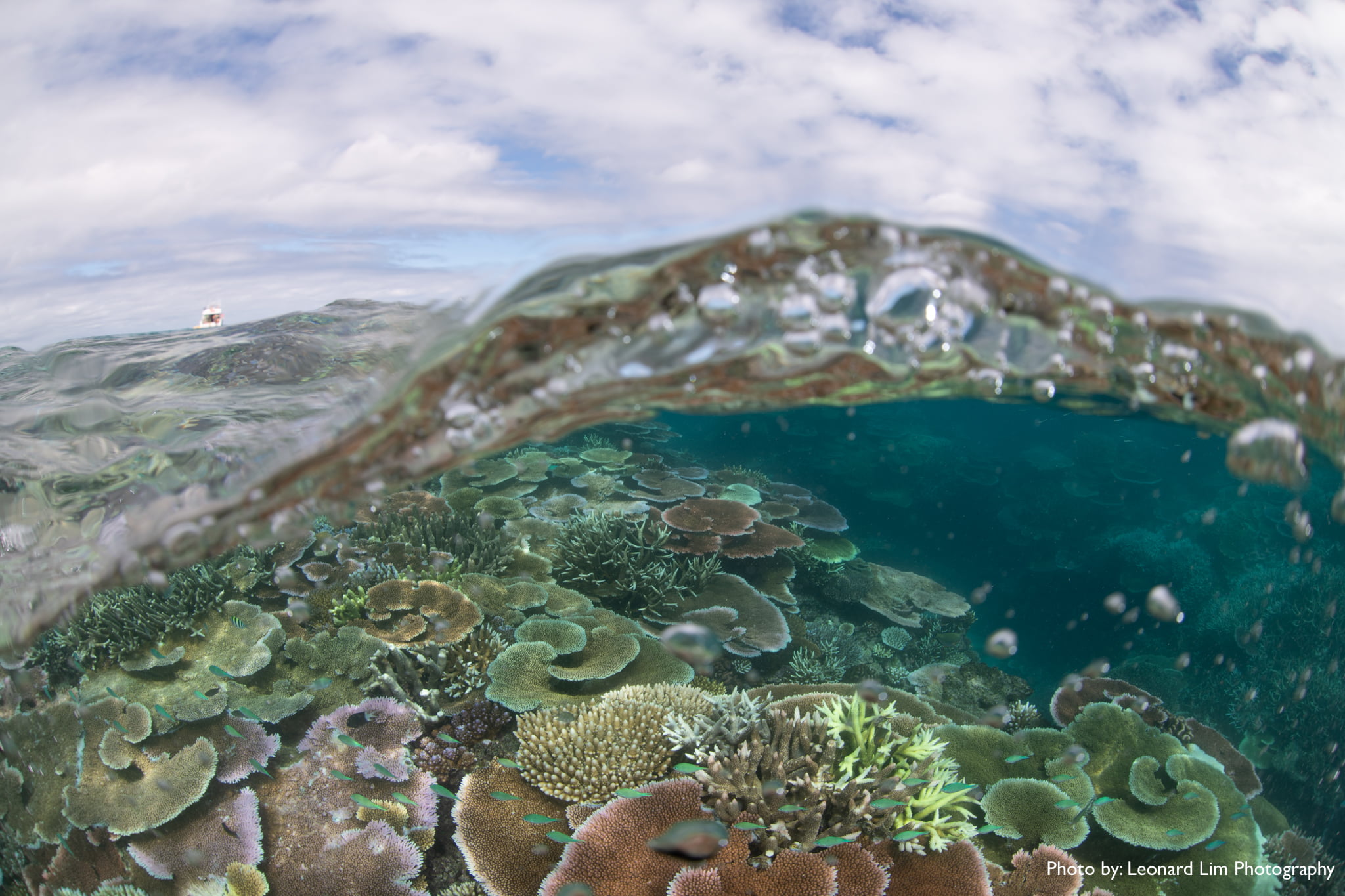
It is a travesty and a tragedy that one of the most beautiful and biodiversity ecosystems on this Earth is being falsely reported as dying.

It is evident in Leonard Lim’s photographs and also in the soon to be released long documentary filmed by Stuart Ireland that there are bleached corals at John Brewer Reef and many corals are fluorescing which is a form of bleaching.

The brightest pink and purple corals have expelled their symbiotic algae and increased their levels of natural pigmentation.  This fluorescing is happening late in the season.  These same corals are likely to be replete with new algae, with new zooxanthellae) within a few months.  Corals naturally vary their colour during a single year though it is rare to see such a large number fluorescing.  This was last observed at the Great Barrier Reef in 1998 and 2017.
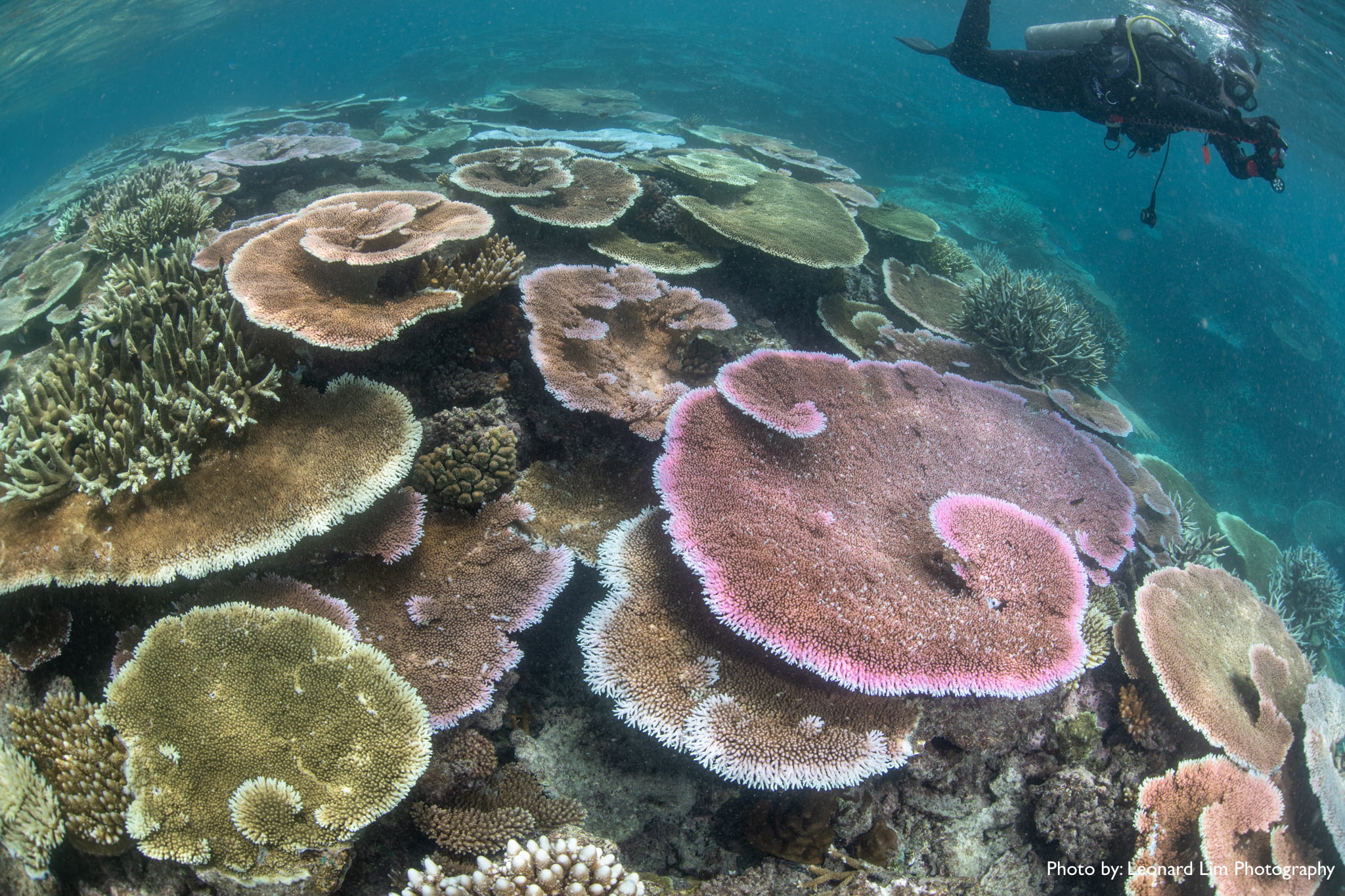
The fluorescing plate coral in the foreground is bleaching from brown to a more colourful pink. Photographed by Leonard Lim on 10th April 2022 with Jennifer Marohasy top right corner.

Coral bleaching was reported during the very first scientific expedition to the Great Barrier Reef undertaken by the Royal Society in 1929.  There are paintings of coral bleaching observed in 1867 by Eugen von Ransonnet from a diving bell in the Red Sea.

Also, with me on 12th April was underwater cinematographer Stuart Ireland. He is currently editing a long documentary that shows not only the corals we swam over, but also the cheeky clown fish, clouds of blue chromis fish and a friendly white tipped reef shark.  I saw metre-long Maori wrasse, tiny nudibranchs, and speckled sweet lip – all swimming in the crystal-clear warm waters of this most magical reef that is one of thousands that comprise the Great Barrier Reef, which is still one of great wonders of the world.

My visits this week (Sunday 10th and Tuesday 12th April 2022) were arranged through Adrenalin Snorkel & Dive, and I’m already planning a next trip with Paul in October.

All my research is funded by the B. Macfie Family Foundation through the Institute of Public Affairs.
via Jennifer Marohasy

https://ift.tt/8VMQzFn

April 13, 2022 at 03:14PM

A Salutary Lesson

It happened at 4am on Saturday 2nd April. A BMW, stolen perhaps, was driven too fast and failed to take the corner. As a result it crashed into the telephone junction box, sending it flying for several yards, and smashing its contents to smithereens.

Approximately 400 households woke up later that morning to discover that they lacked a landline telephone connection, and also lacked the internet service supplied in the same way. They woke up the next day to find that both services were still lacking; and did so again on the Monday, and the Tuesday, and each day that followed, until service was finally restored late in the afternoon on Tuesday 12th April, almost 11 days after the initial outage.

It may seem a small matter, and of course in many ways it is – especially against the backdrop of a brutal war in Ukraine, a cost of living crisis, an energy emergency, and so many other global problems. So why do I bother mentioning it here?

I do so because lessons should be learned. In my case, perhaps the lesson I should learn is to join the 2st century, cease sharing a smartphone with my wife, pay for one each, and make sure that each one has a generous monthly data allowance. Had that been the case when the BMW hit the junction box, life in the Hodgson household might have gone on as before – I could have learned from the kind advice offered to me about setting up a wi-fi hotspot from my smartphone and using Bluetooth to connect my laptop to it. As it is, however, I was receiving texts from my smartphone provider after a few short days telling me that I was getting close to exceeding my monthly data allowance (though I was less than halfway through the month). Having learned how to set up the wi-fi hotspot, I discovered that there was no point doing so, since any use of the laptop in this way would rip through the small amount of smartphone data still available to me, in no time.

Perhaps I should also buy a TV licence (though the jury’s still out on that one). My wife and I haven’t missed mainstream TV at all, not least since there is so much to watch on You Tube. However, You Tube viewing is dependent on the internet, so when we lost the internet, we also lost our limited TV entertainment. Perhaps we have too many eggs in the internet basket.

So much for me. The bigger lessons should be learned by our politicians, and those who would dictate the UK’s energy policy. Fortunately, it was the telephone and internet that was denied to me (and to around 400 other households) for just over a week and a half, and not our electricity supply. However, as I pointed out in Capability Downi, the UK’s electricity supply is vulnerable to storms, and when it encounters problems, customers can be denied electricity for prolonged periods. When that happens, more than minor inconvenience is encountered. UK industry (what’s left of it) and other businesses can grind to a halt. Shops, with electronic tills, cease to be able to serve customers. Electric vehicles will be left powerless. Homeowners potentially find themselves left with no ability to heat their homes or to cook. People who rely on mobile ‘phones (an increasing proportion of the population), and who don’t use landlines, will soon find their ‘phones running out of charge. Of course, their internet connection will have failed, so they will have no ability to communicate with anyone other than their immediate neighbours (verbally), or by writing letters and resorting to the postal service again.

It isn’t just storms that can create havoc for the electricity network. Increasing reliance on offshore wind turbines leaves supply vulnerable to bad actors. If it takes BT Openreach eleven days to mend a broken junction box in good weather in an accessible urban location, how long might it take the authorities to mend a power cable linking offshore wind farms to the mainland, if the cable has been deliberately severed in several places by a hostile submarine? In the middle of winter? What of an attack (physical or in the form of cyber warfare) on the National Grid?

We shouldn’t pretend that such things are in the realm of fantasy.

On 22nd March 2022 an articleii appeared on the BBC website under the heading “The three Russian cyber-attacks the West most fears”. It told us that:

Ukraine is often described as the hacking playground of Russia, which has carried out attacks there seemingly to test techniques and tools.

In 2015 Ukraine’s electricity grid was disrupted by a cyber-attack called BlackEnergy, which caused a short-term blackout for 80,000 customers of a utility company in western Ukraine.

Nearly exactly a year later another cyber-attack known as Industroyer took out power for about one-fifth of Kyiv, the Ukrainian capital, for about an hour.

The US and EU named and blamed Russian military hackers for the attacks.

The article went on to try to reassure readers that:

…no cyber-attack against a power grid has resulted in an extended interruption of power supply. Executing cyber-attacks on complex engineering systems in a reliable way is extremely difficult and achieving a prolonged damaging effect is sometimes impossible due to in-built protections.

I hope that confidence is justified. Personally, I’m not entirely reassured.

A denial of electricity supply is problematic now. How much worse will it be when we are all forced to drive electric cars, to heat our homes using heat pumps, when gas cookers have been replaced by electric ones, and when coal fires and multi-fuel stoves (aka log burners) have been banned?

No doubt the Government would insist that they are already onto this issue, and that the recent publication of “British Energy Security Strategy”iii shows that they are taking the issue seriously. A 38 page document, which contains perhaps 25 pages of “hard” policy planning (some of which strikes me as borderline fantasy), doesn’t convince me either. Yes, the Government will argue that they are seeking to diversify our energy sources – new nuclear, offshore wind, low carbon hydrogen (yeah, right), “jet zero and green ships”, carbon capture (yeah, right) to allow us to utilise our own oil and gas. However, this really misses the point. Everything is aimed at diversifying the sources of energy that will create the electricity we are all to rely on for pretty much everything. It’s a strange type of diversification that still puts all the eggs in one basket – electricity in this case.

Just as I now need to think long and hard about how I might ensure continued telephone and internet service next time a BMW takes out the local junction box, the powers that be need to wake up, grow up, and think much more seriously about energy security in the UK. How will our lives be if the National Grid fails us, especially if it does so in the middle of winter? It doesn’t matter if such a failure is caused by accident or on purpose. If we don’t have electricity, and we need electricity for pretty much everything, then we’re right royally stuffed.

Endnotes

i https://cliscep.com/2021/12/02/capability-down/

ii https://www.bbc.co.uk/news/technology-60841924

iii https://assets.publishing.service.gov.uk/government/uploads/system/uploads/attachment_data/file/1067835/british-energy-security-strategy-web.pdf

via Climate Scepticism

https://ift.tt/k573u4x

April 13, 2022 at 03:04PM

Epicentre of Mass Coral Bleaching – Still So Beautiful (Part 1)

Originally posted at Jennifer Marohasy’s Blog

Jennifer Marohasy

It is all over the news, right across the world: the Great Barrier Reef is bleaching – again.   Children can’t sleep at night: it is not only the war in the Ukraine keeping them awake at night, but also our apparent disregard for nature.

Except!

On 10th April 2022 I went to the very epicentre of the claimed latest severe mass coral bleaching, and found a coral wonderland.

There was some bleaching, especially around the perimeter of John Brewer Reef – on the sandy sea floor where the Australian Institute of Marine Science (AIMS) surveyed and concluded coral cover is never more than 30% – but most of John Brewer Reef is still covered in more than 80% colourful corals.    This high percentage is denied by AIMS because they never survey the reef crest.

This coral reef, John Brewer Reef,  has been described as one of the worst bleached by the ABC, The Conversation, and The Guardian.   The Guardian uses the same photographs as the ABC which have been sourced from environmental group the WWF.

At John Brewer Reef just yesterday, I swam over the top – over the reef crest – and I also swam along the walls that drop down to the sandy sea floor.

My buddy swam in front of me between the walls of coral at John Brewer Reef on 10th April 2022. Photographed by Jennifer Marohasy.

I will show you some of the snap shots that I took with my Olympus TG6, no lights.  I also swam around the sandy perimeter, and I will show you these photographs in my next blog post – that will be Part 2 of this series.   In Part 3 and 4 I plan to show you video of transects that will be swum later in the week when I return to John Brewer Reef with one of Australia’s best underwater cinematographers.

My buddy swimming along the front wall of John Brewer Reef on 10th April 2022. Photographed by Jennifer Marohasy.

John Brewer Reef is 70 kms (38 nautical miles) east of Townsville, part of the central region of the Great Barrier Reef.   Rising from the sandy sea floor are two huge flat-topped blocks of consolidated limestone that represent layer upon layer of dead coral (that you can’t see) with a topping (that you can see) of colourful plates and so many tiny fish.  Running between these two reefs is a deep canyon with walls of more coral and more fish.

Most of the corals were very healthy with lots of chocolate brown zooxanthellae, but you can see a bleached coral in the distance that is very white.  Photographed by Jennifer Marohasy at John Brewer Reef on 10th April 2022.

While most of the corals at the reef crest were healthy, there were some corals that were bleaching white and others were bleaching colourful.

The pink to purple coloration in some of the corals at the reef crest is not from zooxanthellae, which are the symbiotic algae, but rather from increased pigment accumulation from the coral itself as the zooxanthellae are expelled.  Zooxanthellae are expelled when the coral becomes stressed from water that is a bit too hot or a bit too cold.  These colourful corals are often described as fluorescing.

This plate coral has bleached and is fluorescing. Photographed by Jennifer Marohasy at John Brewer Reef on 10th April 2022.
This is a closeup of a plate coral with its pink tips are still alive.  The coral colony will likely recover.  According to the technical literature, some corals florescence/go this pink colour within 2 to 3 weeks of exposure to unusually warm temperatures.  More usually this coral would be a deep chocolate brown. Photographed by Jennifer Marohasy at John Brewer Reef on 10th April 2022.
This is a close-up of a brown plate coral, that has not bleached and is not fluorescing. Photographed by Jennifer Marohasy at John Brewer Reef on 10th April 2022.
This is a closeup showing the coral polyps of a healthy brown coral colony (top) and also a bleached colony (foreground). If you look closely you will see tentacles that enable the coral to feed even when all the zooxanthellae have been expelled. Photographed by Jennifer Marohasy at John Brewer Reef on 10th April 2022.

********   The photograph at the very top of this blog post was taken just yesterday (10th April 2022) while I (Jennifer Marohasy) swam over the top of John Brewer Reef.  The coral in the foreground is not bleached, but rather a beige-coloured and with naturally white tips.  The very pink coral in the centre of the photograph is ‘bleaching colourful’. The pink to purple coloration in some of the corals at the reef crest is not from zooxanthellae, which are symbiotic algae, but rather from increased pigment accumulation from the host tissue/the coral itself as the zooxanthellae are expelled.  This is often referred to as fluorescing and/or bleaching colourful.

The corals at the reef crest at John Brewer Reef that are bleaching colourful/fluorescing are likely to make a full recovery.

via Watts Up With That?

https://ift.tt/TMxclw6

April 13, 2022 at 12:13PM

“Why Shipping Pure Hydrogen Around The World Might Already Be Dead In The Water”

By Die kalte Sonne

One can truly argue that the Champagne of the energy transition is hydrogen. Champagne is so expensive because it can only come from a very specific region, where a brand was built up early on. Connoisseurs know this and drink an equally good Crémant for less money.

Hydrogen, on the other hand, is expensive because when it is used in a power plant during solar and wind energy lulls, 65-75% of the original energy used is lost. Rechargenews has an article that now suggests ammonia instead of hydrogen

The truth is that hydrogen’s unsurpassable energy density by weight is irrelevant. When being transported in giant metal tanks, what really matters is its energy density by volume.

“Hydrogen transport by ship is technically possible for larger distances where pipelines are not an option. Because of its low energy density by volume, gaseous hydrogen is best converted into a more energy-dense liquid before being loaded onto a ship,” says Irena’s recent report, Geopolitics of the Energy Transformation: The Hydrogen Factor. “There are several vectors for hydrogen transport via ship, but ammonia is the most promising.”

At normal atmospheric pressure, hydrogen contains just 3 kWh of energy per cubic meter, so it either has to be compressed or liquefied to increase its energy density — to 1,411 kWh/m3 (at a pressure of 700 bar), or 2,350 kWh/m3 when super-cooled to a liquid at a not so balmy -253°C.
The volumetric energy density of ammonia is 59% higher — at 3,730 kWh/m3 when stored in its standard liquid form at -33.3°C.

So, assuming same-sized vessels, it would theoretically take more than three shipments of liquid hydrogen (LH2) to transport the same amount of energy as two shipments of liquid ammonia (LNH3).”

We prefer not to speculate on what the name for liquid ammonia might be, should this form of transporting energy become established.

Donate – choose an amount

via NoTricksZone

https://ift.tt/GS1cltw

April 13, 2022 at 12:09PM