
A response to Bob Ward
Roland
Wed, 05/17/2023 – 16:04
You find Bjorn Lomborg’s full response Activism dressed up as science here.
via Lomborg
May 19, 2023 at 07:29AM
A response to Bob Ward
Roland
Wed, 05/17/2023 – 16:04
You find Bjorn Lomborg’s full response Activism dressed up as science here.
via Lomborg
May 19, 2023 at 07:29AM
Best Things First
Roland
Thu, 05/11/2023 – 20:36
The 12 most efficient solutions for the world’s poorest and our global SDG promises.
If you want to make the world better, ‘Best Things First’ is the book to read.
Bibek Debroy, chief economic advisor to India’s PM Modi
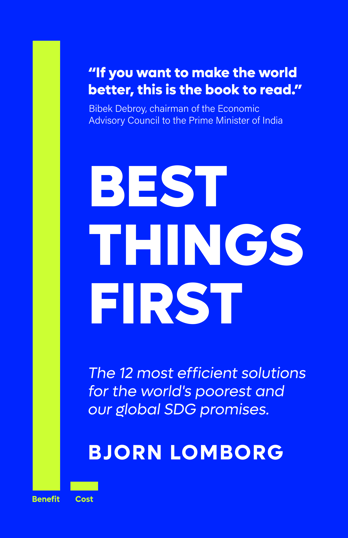
World leaders have promised everything to everyone. But they are failing. The UN’s Sustainable Development Goals are supposed to be delivered by 2030. The goals literally promise everything, like eradicating poverty, hunger and disease; stopping war and climate change, ending corruption, fixing education along with countless other promises. This year, the world is at halftime for its promises, but nowhere near halfway. Together with more than a hundred of the world’s top economists, best-selling author, Bjorn Lomborg, has worked for years to identify the world’s best solutions.
If we can’t do everything, let’s do the best things first
Bjorn Lomborg
Based on 12 new, peer-reviewed studies, forthcoming in Cambridge University Press’ Journal of Benefit-Cost Analysis, his new book highlights how to make the world a better place in the best possible way.
“Some things are difficult to fix, cost a lot, and help little. Other problems we know how to fix, at low cost, with remarkable outcomes. We should do the smart things first,” says Bjorn Lomborg.
Governments and philanthropists should focus on the 12 smartest things. Fix tuberculosis, malaria, and chronic disease, tackle malnutrition, improve education, increase trade, implement e-procurement, and secure land tenure. This will, at a low cost, improve the world amazingly.
“The cost is $35 billion a year. Spent on the 12 best solutions it could make the world’s poor incredibly much better off.
The benefits include saving 4.2 million lives each year and generating $1.1 trillion more for the world’s poor,” highlights Bjorn Lomborg.
We can definitely afford it: The cost of $35 billion is equivalent to the increase in annual global spending on cosmetics over the last two years.
The benefits will be amazing for the world’s 4 billion poorest. The policies will avoid every seventh death while making everyone 11% richer. Each dollar spent will deliver $52 of global benefits. This is likely the best thing the world can do this decade.
Today, nearly every indicator of the Sustainable Development Goals is off-track. But it’s not a rea-son to give up. We can and must do much better. This book offers thought-provoking ideas and concrete policy recommendations for how we can accelerate progress to reduce suffering and save lives.
Bill Gates
We can’t do everything. This book makes a compelling argument for the world to pursue the most cost-effective policies first. The remarkable conclusion is that the best policies pay off more than 50:1.
Larry Summers, former US Secretary of Treasury, president emeritus of Harvard University
If you want to make the world better, Best Things First is the book to read. It highlights 12 policies that can reshape the world. As India hosts G20, these are India’s priorities too.
Bibek Debroy, chief economic advisor to India’s PM Modi
This is a rare and insightful book. With too many glib political promises and too few resources for development, the world needs to do better. With a focus on benefit-cost analysis, this book reveals how. It is a must-read for economists, development professionals, and anyone interested in improving the conditions for the world’s worst-off.
Indermit Gill, Chief Economist World Bank
Africa doesn’t need more praiseworthy declarations. It needs more efficient policies. Best Things First offers policymakers a spectacular and comprehensive compendium of the very best policies.
Dr. Kodjo E. Mensah-Abrampa; Director General, National Development Planning Commission, Ghana; Chairman of Intergovernmental Committee of Senior Officials and Experts (ICSOE) for West Africa
There are no solutions, only trade off opportunities. In keeping with Bjorn Lomborg’s record of contributions, this incredible book offers the 12 best trade-offs for the big challenges facing the world.
Vernon Smith, Nobel Laureate, professor of business economics and law at Chapman University
Economic research consistently shows that the best policies can make the world incredibly much better at moderate cost. This book is amazing: it documents 12 of the very best global policies. Now we just have to do them.
Nyovani Madise, Director of Research and Sustainable Development Policies at the African Institute for Development Policy
via Lomborg
May 19, 2023 at 07:29AM
False Alarm in other languages
Roland
Thu, 05/11/2023 – 19:54
In other languages
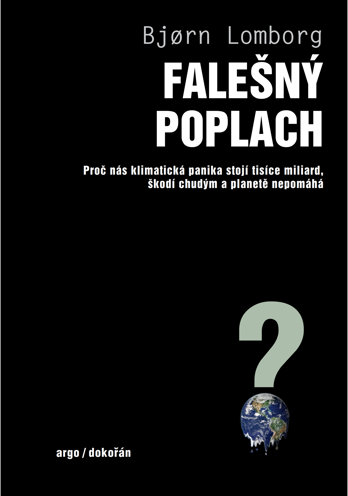
Dost už bylo paniky kolem hurikánů, požárů a mizejících ledovců, říká dánský autor Bjorn Lomborg ve své poslední knize Falešný poplach. Média, aktivisté i politici se shodují na tomtéž alarmujícím poselství, totiž že změna klimatu ničí planetu a my proti ní musíme podniknout drastické kroky. Ke změně klimatu podle autora sice skutečně dochází, není to ale žádná apokalyptická hrozba, k jejímuž odvrácení bude nutné snížit životní úroveň, zdražit základní potřeby a energie, což pocítí především obyčejní lidé. Stačí vzít rozum do hrsti a spočítat si přínosy a náklady, abychom našli řešení, které nezruinuje naši civilizaci a umožní lidstvu přežít. Kniha ukazuje, že takřka všechno, co o klimatické změně slyšíme, je mylné či přímo vylhané. Kromě toho však autor také navrhuje konkrétní kroky, které povedou ke světu mnohem lepšímu pro nás všechny, byť by byl o něco teplejší než dnes.
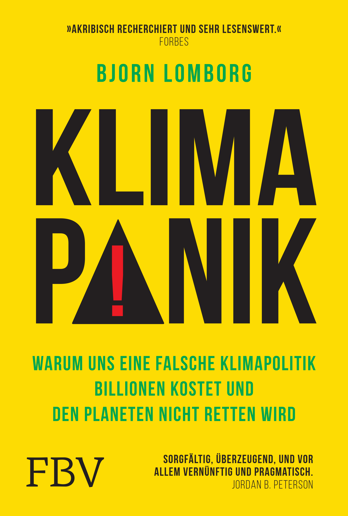
Ein Buch über die Klimapolitik, das den Klimawandel nicht leugnet, aber die Maßnahmen zu dessen Eindämmung kritisch hinterfragt.
Hitzewellen, Dürren und Starkregen in Deutschland, Wirbelstürme, Waldbrände und schmelzende Gletscher im Rest der Welt. Die Reaktion von Politikern, Aktivisten und die Medien besteht in einer einzigen, gemeinsam vorgetragen und dramatisch zugespitzten Botschaft: Der Klimawandel zerstört den Planeten, und wir müssen sofort drastische Maßnahmen ergreifen, um ihn zu stoppen.
Diese Hysterie ist nicht nur übertrieben, sondern sie ist auch nicht hilfreich, so argumentiert der Naturwissenschaftler und »skeptische Umweltschützer« Bjorn Lomborg. Ja, der Klimawandel ist real, aber zum einen ist er nicht die apokalyptische Bedrohung, als die er dargestellt wird, zum anderen stellt er ein lösbares Problem dar. Doch in ihrer Panik haben sich die Staats- und Regierungschefs zu extrem teuren, aber weitgehend unwirksamen Maßnahmen verpflichtet. Unsere Obsession mit dem Klimawandel führt also dazu, dass wir Billionen für nutzlose Aktionen aus dem Fenster werfen, anstatt mehr Geld in Forschung und Entwicklung zu stecken, um die Energiefrage zu lösen und die Erderwärmung einzudämmen.
»Falscher Alarm« wird Sie davon überzeugen, dass alles, was Sie über den Klimawandel zu wissen glauben, falsch ist. Doch Bjorn Lomborg bleibt nicht bei der Kritik der aktuellen Politik stehen: Er unterbreitet eine Vielzahl konkreter Vorschläge, wie man die Welt auf einem bezahlbaren Weg zu einem weitaus besseren, wenn auch etwas wärmeren Ort für uns alle machen könnte.
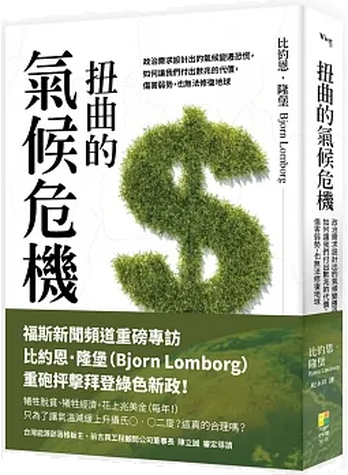
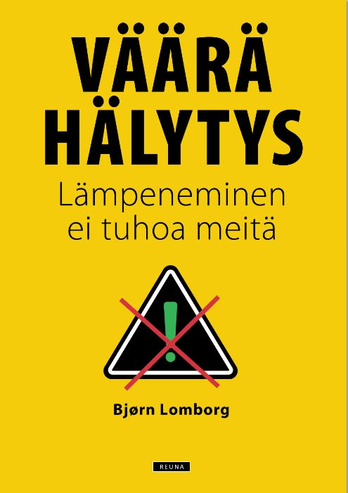
Pelottavat näkymät toistuvat ilmastouutisissa. Niissä vedotaan IPCC:n raportteihin, mutta onko niitä lainattu oikein? Onko kyse äärimmäisestä säästä vai äärimmäisestä liioittelusta?
Kirjassa käytetään IPCC:n ilmastomalleja haittojen laskemiseksi ja toisaalta muita taloudellisia malleja kustannusten laskentaan. Mallien kehittäjät ovat Nobel-palkittuja taloustutkijoita, joten kirjan sanomalla on varsin suuri painoarvo. Ilmastonmuutoksen torjunnassakin tulee valita paras, vaikuttavin ja edullisin vaihtoehto.
Kirjoittaja Bjørn Lomborg (s. 1965) on tanskalainen kirjailija ja ajatushautomo Copenhagen Consensuksen johtaja. Koulutukseltaan hän on politiikantutkimuksen tohtori, joka on opettanut mm. tilastotiedettä yliopistossa. Häntä pidetään yhtenä kymmenestä vaikutusvaltaisimmasta ilmastopolitiikan kriitikosta. Lomborgin aiempi kirja Sceptical environmentalist herätti suurta huomiota maailmalla.
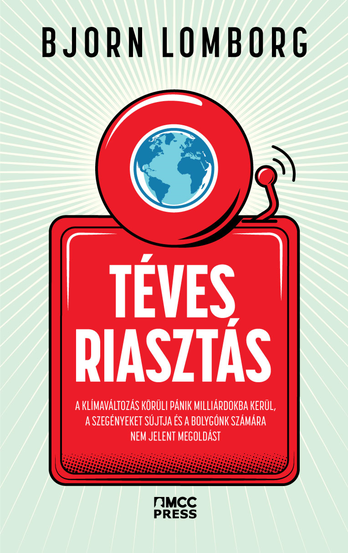
"Úgy tartja a mondás, hogy a mókust az különbözteti meg a patkánytól, hogy jobb a PR-ja. A természettudományokon belül az elmúlt évtizedekben valószínűleg a klímakutatás volt a mókus, hiszen egyetlen más tudományág sem tudott olyan hatékonyan beszivárogni a társadalmi közbeszédbe, és ezen belül a fiataljaink életébe, hogy még saját fóbiát is elnevezzenek róla: klímaszorongás. A médiának és megmondóembereinek, valamint a szakértők bizonyos körének hisztériakeltése, tudományosan kevéssé megalapozott állításai miatt mára az egyik legfenyegetőbb félelemmé a klímakatasztrófa vált.
Bjorn Lomborg két évtizede foglalkozik az éghajlat-változással, mindennek fényében állítja, hogy a témával kapcsolatos szélsőséges, gyakran irracionális retorika többet árt a valóban hatékony megoldások ügyének, mint amennyit használ az, hogy napi szinten jelen van a híradásokban. A globális felmelegedés valós, de nem kezelhetetlen probléma, az apokaliptikus víziók viszont társadalmi szinten okoznak visszafordíthatatlan károkat – gondoljunk csak azokra a jóléti társadalmakban élő fiatalokra, akik a lakhatatlanná váló Föld rémképe miatt nem vállalnak gyereket -, miközben minden olyan globális kihívás háttérbe szorul, amelynek a kezelése tovább nem odázható el. A szerző ezért azt javasolja: "Vegyünk vissza a pánikból, tekintsünk a tudományra, nézzünk szembe a gazdasági szempontokkal, és foglalkozzunk racionálisan a kérdéssel!""
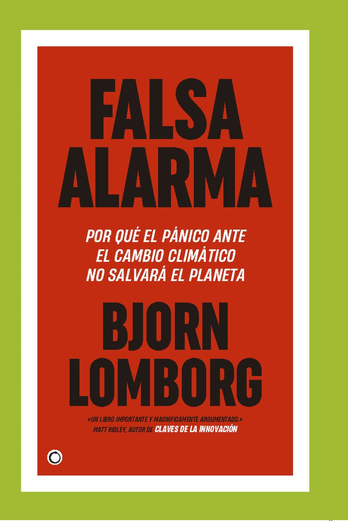
Inmersos en noticias de huracanes azotando las costas, de un aumento del nivel del mar que amenaza con hacer desaparecer a países enteros y de incendios forestales arrasando extensas zonas del planeta, no es de extrañar que la lucha contra el calentamiento global se haya convertido en una de las prioridades de los gobiernos de todo el mundo. En los últimos diez años, hemos pasado de discutir sobre si el cambio climático es real a apostar sobre cuánto tardará en extinguirse la vida en la Tierra. Los niños viven angustiados ante semejante relato de su futuro y los adultos se preguntan incluso si es ético traer más vidas al mundo. Bjorn Lomborg cree que nos convendría analizar más de cerca y sosegadamente algunos de estos argumentos antes de dejarnos arrastrar por el pánico. Sostiene que el cambio climático, aunque real, no es la amenaza apocalíptica que nos han dicho que es. No hay evidencia científica, por ejemplo, de que el mundo esté sufriendo más sequías, incendios forestales o huracanes que nunca. En definitiva, el pánico desatado por el cambio climático se basa en mala ciencia y genera políticas y decisiones precipitadas y nefastas. A partir de datos contrastados, Falsa alarma cuestiona algunos de los lugares comunes desde los que se afronta el cambio climático y señala el camino para hacer del mundo un lugar mejor, aunque, eso sí, algo más cálido.
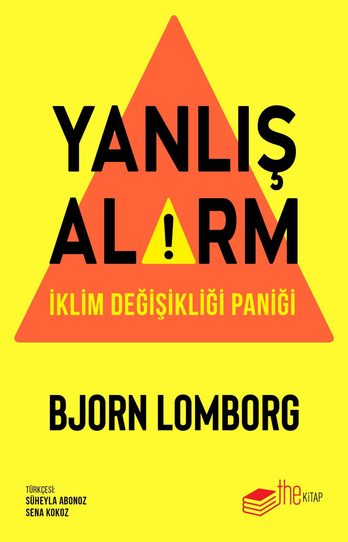
Time’ın “En Etkili 100 Kişiden Biri” ilan ettiği, Foreign Policiy’nin “En İyi 100 Küresel Düşünürden Biri” seçtiği ve
Guardian’ın “Gezegeni Kurtaracak 50 Kişiden Biri” olarak tanımladığı Bjorn Lomborg’a göre iklim değişikliği konusunda hissedilen panik yarardan çok zarara neden oluyor.
Kasırgalar kıyılarımıza vuruyor. Orman yangınları ülkelerimizi kasıp kavuruyor. Kutuplardaki buzullar günden güne eriyor. Politikacılar ve aktivistler bu konuda ortak bir mesajı benimsiyorlar: “İklim değişikliği gezegenimizi mahvediyor ve bunu durdurmak için bir an önce sert tedbirler almalıyız.” Çocuklar gelecekleri hakkında endişeye kapılıyorlar, yetişkinler böyle bir dünyada çocuk sahibi olmanın etik olup olmadığını tartışıyorlar.
via Lomborg
May 19, 2023 at 07:29AM
False Alarm
Roland
Thu, 05/11/2023 – 16:24
False Alarm will convince you that everything you think about climate change is wrong. It points the way toward making the world a vastly better, if slightly warmer, place for us all. A new epilogue details climate lessons from a year of global economic shutdown due to COVID-19, and from our increasingly costly but often very ineffective climate policies
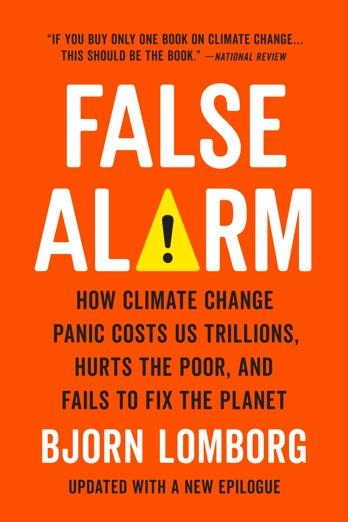
We live in an age of fear – particularly a fear of climate change. Children line the streets in protest, while adults wonder whether it’s ethical to start a family. Activists warn us that the planet faces ‘slaughter, death, and starvation,’ and Time magazine tells readers to ‘Be worried. Be very worried.’ A 2019 poll found that almost half of the world’s population believes climate change will likely end the human race.
Enough, argues bestselling author, professor and ‘skeptical environmentalist’ Bjorn Lomborg. In False Alarm, Lomborg delves into the data to show that while climate change is real, it is not the apocalyptic threat that we’ve been told it is. Projections of Earth’s imminent demise misconstrue the science and generate bad policy. In a panic, world leaders have committed to wildly expensive but largely ineffective policies that hamper growth, fail to fix climate change smartly, and crowd out other pressing investments in human capital, from nutrition to immunization to education. As the fallout from the COVID-19 pandemic has revealed, we can’t enact major policies without considering their potential unintended consequences.
If you buy only one book on climate change… This should be the book
National Review
We are currently spending about $400 billion annually on climate change, and with the many promises of zero carbon emissions, those costs could escalate to tens of trillions in the coming years. But, Lomborg shows, these policies are not paying dividends in terms of reducing global warming. For example, the Paris Agreement in its best-case scenario will achieve just one percent of what the politicians have promised (keeping temperature rises to 2.7°F), and cost $1.2 trillion per year. There are also serious ethical questions about insisting that the developing world align with our climate priorities when they face more pressing issues like feeding and educating their people.
So, what is the way forward? First, Lomborg argues, we need to evaluate climate policy in the same way that we evaluate every other policy: in terms of costs and benefits. Research by the leading climate economists indicates that the best policy approach should include:
• A realistic and effective carbon tax. This, however, will not solve most of the climate problem.
• Investing in green R&D to innovate the price of green energy down below fossil fuels (world leaders including President Obama promised to do so in 2015, but have failed so far).
• Focusing on smart ways to adapt to change, which humans have been doing for centuries.
• Investing in more research on geoengineering technologies, which could mimic natural processes to reduce the earth’s temperature.
• Helping people become more resilient to climate change through prosperity, especially in the world’s poorest countries.
Clear-headed and rigorous, False Alarm reveals widespread misconceptions about climate change – and points the way towards making the world a vastly better, if slightly warmer, place for us all. Buy it on Amazon, or check out the numerous translations here.
It’s precisely because the problem is so serious that [Lomborg] argues it is necessary to approach it cool-headedly … The alternative? In Lomborg’s view it is letting ourselves be panicked into the most expensive course—trying to fix the climate without having the necessary technology on hand. Lomborg argues powerfully that this is a fool’s errand … A corrective to many of the green assumptions that dominate the media.
Financial Times
Lomborg does not lack solutions. In False Alarm, he advocates a range of cost-benefit tested policies to address both climate change and global poverty…. Lomborg does a service in calling out the environmental alarmism and hysteria that obscure environmental debates rather than illuminate them.
National Review
Meticulously researched, and well worth a read.
Forbes
An excellent summary of the madness, hypocrisy, and cynicism of the climate-alarm establishment…. Lomborg has done an excellent job pointing out that climate fears are indeed a ‘false alarm,’ misdirecting time and resources away from real, and soluble, problems.
New Criterion
An important book. Mr. Lomborg is a long-standing environmentalist regarded as a heretic by hardliners in the movement because he is an optimist who says that humanity is not doomed.
Iain Martin, The Times
Lomborg is persuasive on the vulnerability of Africa and need for greater emphasis on building climate resilience.
The Irish Times
False Alarm is a comprehensive analysis of the issues in climate change that represents a reasoned balance between the shrill voices demanding immediate change (without being aware of the practical issues involved) and those who see no problems at all with our current environmental situation.
New York Journal of Books
Lomborg’s most basic premise remains that there are better ways to alleviate human misery than spending taxpayer subsidies than on panic-driven, political non-solutions to a changing climate. Few would argue with that goal.
American Thinker
A detailed…human-centric, optimistic tome from an honest environmentalist.
Capitalism Magazine
In between the cries of imminent apocalypse and outright denial that seems to be the daily fare of the mainstream and alternative news outlets on the issue of global warming, Bjorn Lomborg sounds a rare note of sanity and moderation in his new book, False Alarm. Lomborg’s achievement is in providing a much-needed broader context to the climate debate, based on years of researching and writing on the topic… One hopes that this book will bring to the attention of the general public, specialists and policy-makers, not just the scale of the problem of climate change, but the most positive steps that can be taken by governments to address it.
International Journal of World Peace
Lomborg brands climate change warnings as alarmist, and argues that a massive reduction in fossil fuels would exacerbate global poverty, in this detailed account…. Lomborg is careful to back his cost-benefit analyses of climate policies with surveys and statistics.
Publishers Weekly
[Lomborg] follows his previous critiques of climate change policy…with a hard-hitting analysis of failing strategies for addressing what he acknowledges is ‘a real problem.’…A serious, debatable assessment of a controversial global issue.
Kirkus
Bjorn Lomborg’s new book offers a data-driven, human-centered antidote to the oft-apocalyptic discussion characterizing the effect of human activity on the global climate. Careful, compelling, and above all sensible and pragmatic.
Jordan Peterson, author of 12 Rules for Life
This is a very important and superbly argued book. Those who have been persuaded that climate change is not happening, and those who think catastrophe is imminent should both read it and know they can rely on Lomborg’s meticulous analysis to put them right. The rest of us can be alarmed by his relentless revelation that the world is spending a fortune on making the plight of the poor and the state of the environment worse with foolish and expensive policies.
Matt Ridley, author of How Innovation Work
False Alarm is a timely and important book. Based on the latest scientific evidence and rigorous economic analysis, it provides a welcome antidote to widespread, irrational panic about a coming climate apocalypse. Instead, it provides a set of smart, rational policies for addressing global warming — while not losing sight of the myriad other problems that beset our planet, including poverty and inequality. This book is essential reading for anyone who cares about our shared human future.
Justin Yifu Lin, former chief economist, the World Bank
This is a fantastic book. In it, Bjorn Lomborg examines through the lens of statistics the apocalyptic projections of the future of climate change. He points out, rightly, that the doomsday scenarios are misguided and that policy decisions driven by panic have real costs, particularly for the poor. False Alarm is a must-read.
Bibek Debroy, Chairman, Economic Advisory Council to the Prime Minister of India
Bjorn Lomborg is that rare thing: a clear-sighted realist about climate change. In False Alarm, he argues that it would be foolish to do nothing to prepare for a warmer planet, but it would be more foolish to pretend that we are doing things that will significantly reduce carbon dioxide emissions when we are not. At the same time, getting serious about cutting CO2 emissions will have a cost. As Lomborg says, vastly more people die as a consequence of poverty and disease each year than die as a consequence of global warming. As in the past, we humans are capable of adapting to climate change in ways that can significantly mitigate its adverse effects, without choking off economic growth. To learn how, you must read False Alarm.
Niall Ferguson, the Hoover Institution, Stanford University
via Lomborg
May 19, 2023 at 07:29AM
 Iowa Climate Science Education