
By Paul Homewood
They are taking us for idiots, and are happy to lie assuming we don’t realise it.
via NOT A LOT OF PEOPLE KNOW THAT
May 22, 2024 at 03:26AM
By Paul Homewood
They are taking us for idiots, and are happy to lie assuming we don’t realise it.
via NOT A LOT OF PEOPLE KNOW THAT
May 22, 2024 at 03:26AM
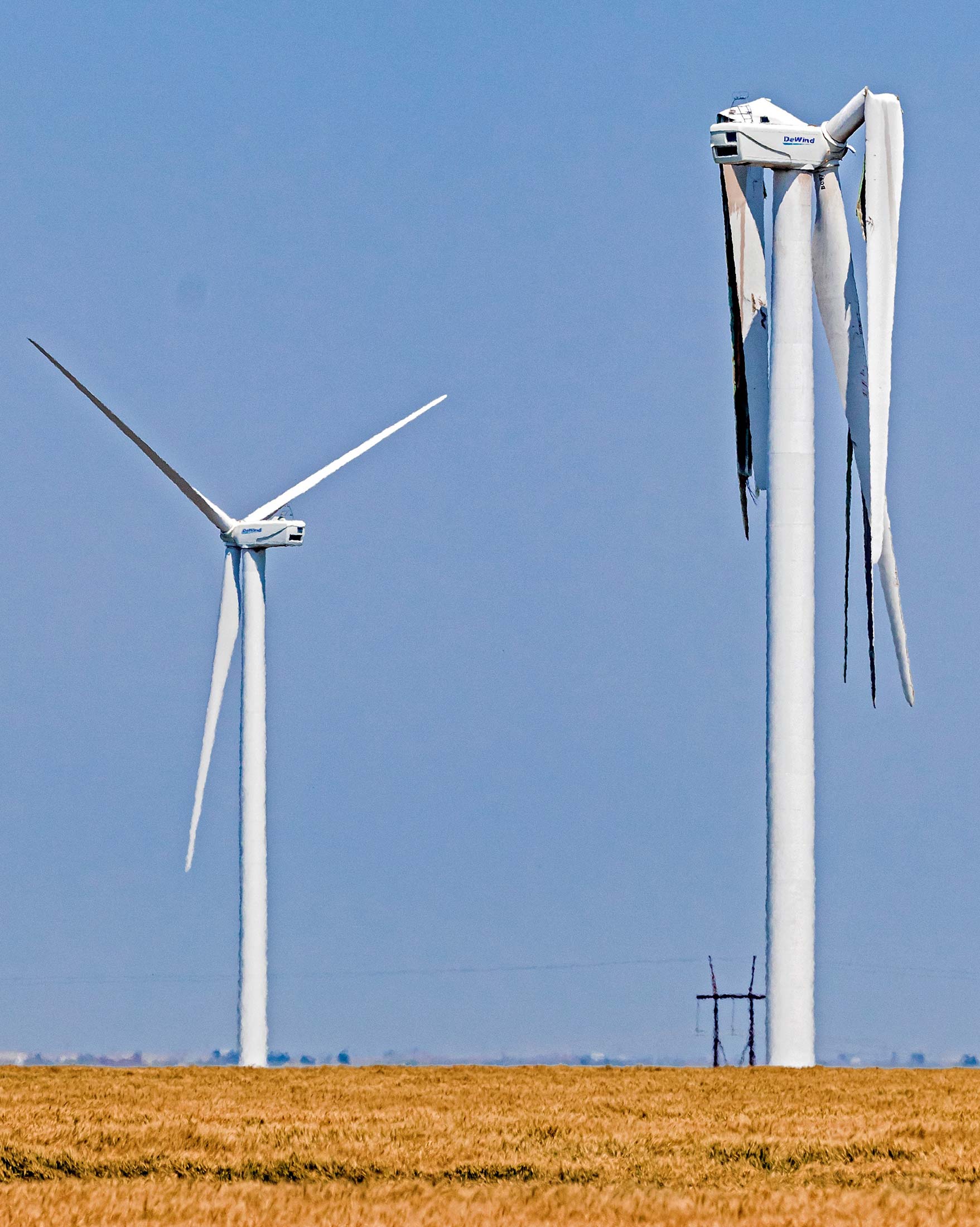
There really is no choice between always-on, ever-reliable nuclear and chaotically intermittent wind and solar. That’s if you want power delivered, as and when you need it. The need for nuclear power is a reality that’s spreading across Europe, like they’ve hit on the cure for the incurable – with infantile ideology giving way to common sense and experience.
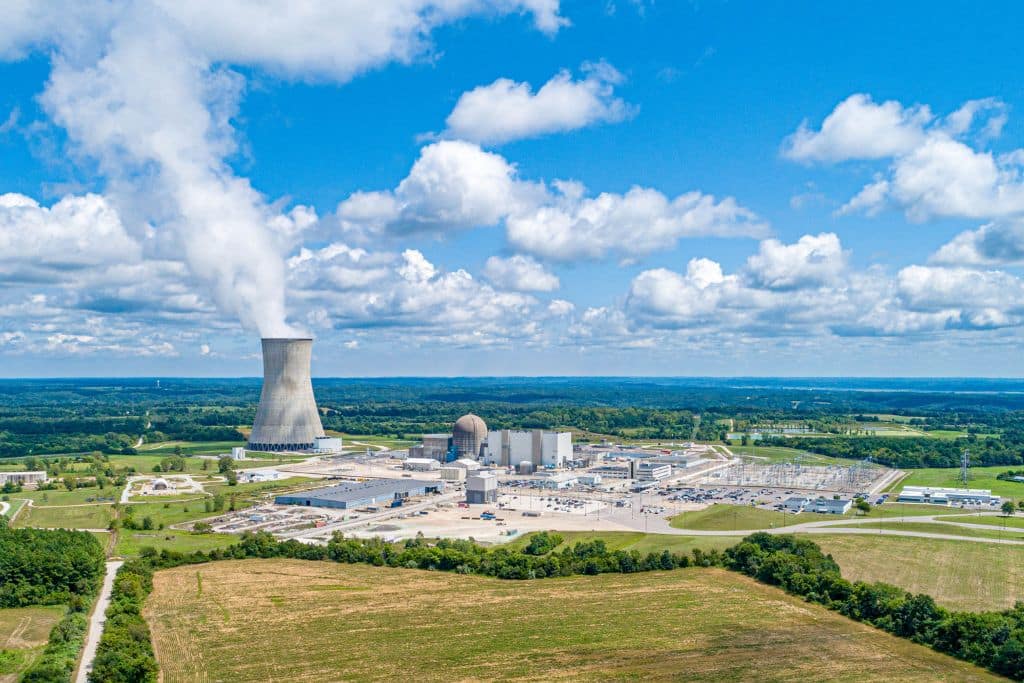
Last year, Italy’s Prime Minister, Giorgia Meloni reversed her country’s legislated moratorium against the cleanest and most reliable form of power generation there is. Meloni’s move makes way for the reactivation of 3 plants shuttered after the moratorium took effect – Caorso (860MW), Enrico Fermi (260MW) and Latina (153MW) along with plans to build all new plants, as well as tapping into the latest small modular reactor technology.
Now, the reversal is being followed up with legislation aimed at delivering a nuclear-powered future for power-starved Italians.
Italy’s Strategic Embrace of Nuclear Power: A Calculated Move Towards Energy Security
Watts Up With That?
Charles Rotter
5 May 2024
In a decisive shift from its past policies, Italy, under the leadership of Premier Giorgia Meloni and Environment and Energy Security Minister Gilberto Pichetto, is paving the way for the reintroduction of nuclear energy, with a focus on the latest in reactor technology: small, modular, and IV generation reactors. This move is not merely a policy change but a strategic recalibration aimed at bolstering national energy security and aligning Italy with modern, low-carbon energy technologies
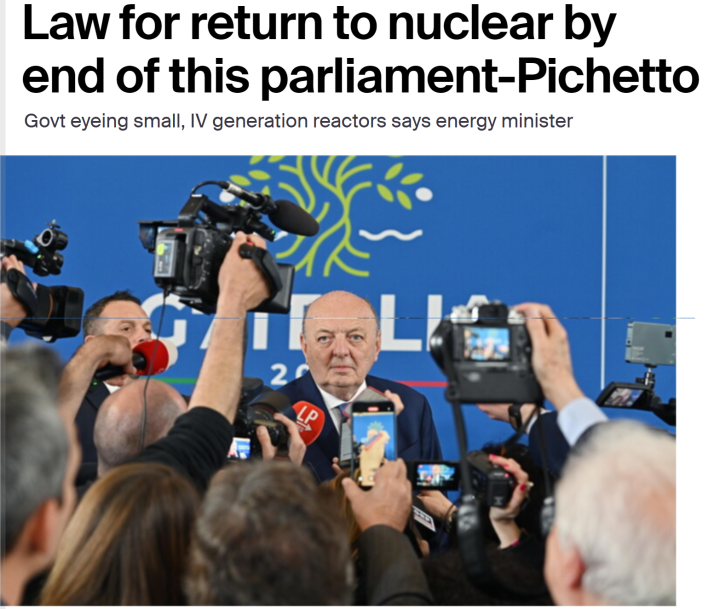
Environment and Energy Security Minister Gilberto Pichetto said Thursday that the government aims to pass the necessary legislation to make Italy’s return to nuclear power possible by the end of the current parliamentary term. Italy closed its nuclear plants in 1990 after the 1987 referendum on atomic energy following the Chernobyl disaster.
The backdrop to Italy’s renewed interest in nuclear energy is the stark reality of today’s geopolitical landscape, notably heightened by the energy uncertainties following Russia’s invasion of Ukraine. This scenario has laid bare the vulnerabilities in Europe’s energy supply, making the case for an energy diversification strategy that includes nuclear power compelling. Nuclear energy offers a stable, reliable source of power that can reduce dependence on external entities, the weather, and unpredictable global market shifts. The introduction of nuclear power thus represents a prudent step towards securing a stable energy future for Italy.
Central to Italy’s nuclear strategy is the adoption of small modular reactors (SMRs). Unlike traditional nuclear reactors, SMRs offer a range of benefits that align well with Italy’s strategic and environmental goals. These reactors are designed to be built faster due to their modular nature, which allows for construction in controlled factory settings and assembly onsite, leading to reduced construction times and potentially lower costs. Additionally, SMRs are considered safer due to their smaller size and innovative safety features, reducing the risk of large-scale nuclear accidents.
The flexibility of SMRs also means they can be deployed to complement renewable energy sources, providing baseload power that can fluctuate with the variable output from solar and wind power. This adaptability makes SMRs an integral part of a balanced and resilient energy portfolio, ensuring continuous energy supply without the intermittency issues associated with renewables.
Nuclear power finally beginning to become a cornerstone in the global shift towards low-carbon energy sources. Despite the debates surrounding nuclear energy, its capacity to provide large-scale, continuous, and carbon-free electricity is unmatched by any other current technology. By investing in advanced nuclear reactors, Italy is positioning itself as a leader in sustainable energy production, aligning with European and international targets for CO2 emission reductions. Whether one believes Climate Change is even an issue worth considering, these moves would fit into a positive no regrets strategy regardless of whether or not CO2 emissions are an issue at all.
Minister Pichetto’s commitment to establish a judicial framework compatible with the development and operation of SMRs reflects a forward-thinking approach to energy policy. By preparing the necessary legislative environment to support nuclear technology, Italy is not only addressing its immediate energy needs but also setting the stage for sustainable growth, energy security, and technological innovation.
This policy shift is a reasoned decision grounded in the realities of today’s energy landscape and the potential of tomorrow’s technologies. It demonstrates a clear understanding that true energy security comes from stable baseload reliable sources. Nuclear energy, particularly through the lens of SMR technology, offers a path to achieve this reliability, enhancing Italy’s energy independence while supporting environmental and economic goals.
In conclusion, Italy’s re-engagement with nuclear power, driven by current geopolitical, economic, and energy considerations, marks a smart and strategic decision. It underscores a commitment to energy security and reliability, showcasing a balanced approach to addressing both immediate needs and long-term challenges. This initiative is a significant step forward, illustrating how nations can responsibly leverage advanced technologies for a secure energy future.
Watts Up With That?
via STOP THESE THINGS
May 22, 2024 at 02:31AM
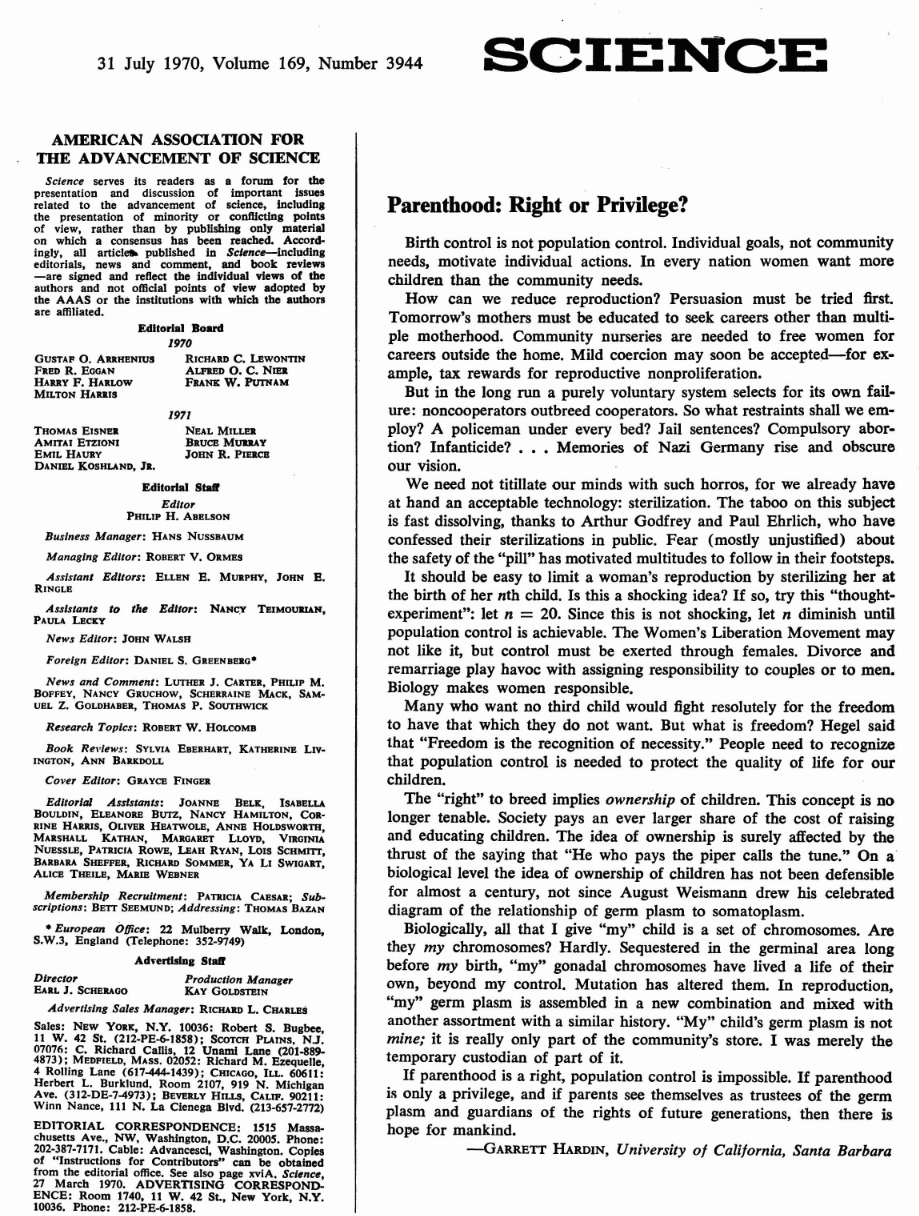
In 1970, AAAS and Science Magazine called for forced sterilization of women.
“It should be easy to limit a woman’s reproduction by sterilizing her at the birth of her nth child.
The “right” to breed implies ownership of children. This concept is no longer tenable”
Just having fun
This entry was posted in Uncategorized. Bookmark the permalink.
via Real Climate Science
May 22, 2024 at 12:24AM
We humans dream of colonizing Mars, building flying cars, and achieving immortality. Yet, amidst this fervent pursuit of futures that sometimes drift into fantasy, we’re neglecting critical problems of the present.
An example is rampant pollution of our waters. This neglect exists even in advanced societies such as the United Kingdom, where untreated sewage spills into the Thames and other rivers, turning them into fetid cesspools.
This isn’t some dystopian vision of the future. It’s happening right now, under the noses of complacent governments and a distracted public. While headlines scream about a fabricated climate emergency decades away, actual environmental crises fester — not to mention potholed streets and collapsing bridges.
Thames filled with Sewage: A Global Problem
The U.K.’s aging sewage infrastructure simply can’t handle the demands of a growing population. During heavy rain, overflows release raw sewage directly into rivers. Recent findings suggest that since 2020, Thames Water—the U.K.’s largest water and wastewater services company—has discharged a minimum of 72 billion liters of sewage into the river Thames, equivalent to approximately 29,000 Olympic swimming pools of water.
In 2024, the company was fined 3.3 million pounds after causing the death of over 1,400 fish with the release of millions of liters of untreated sewage. Despite these incidents, Thames Water continues to discharge sewage into bodies of water.
Numerous images and videos shared on social media depict holidaymakers witnessing the presence of brown-colored sewage-contaminated waters along beaches and river banks in the U.K.
The neglect of river pollution has dire consequences for public health from a range of waterborne diseases, including cholera, dysentery and hepatitis A. The presence of harmful bacteria such as E. coli in rivers and coastal waters poses a direct threat to communities that rely on these sources for drinking, bathing and recreation. In fact, recently, thousands of people fell ill with diarrhoea as they ingested parasites from contaminated water in Devon, U.K.
In Bangladesh, the Buriganga and linked rivers in the country’s capital region receive daily about 60,000 cubic meters of wastes from the nine major industrial clusters. The river is so toxic that locals consider it biologically dead.
In New Delhi, the capital of India, the Yamuna River has been heavily affected by the disposal of harmful chemicals and untreated sewage. As a result, certain parts of the river exhibit a murky appearance, with foamy froth and plastic waste along its banks. Another river in India, the Ganges, is one of the world’s most polluted, receiving every day more than one billion gallons of raw sewage and industrial waste.
The problem is not exclusive to these countries. The list goes on and on. But the elephant in the room is the fact that these nations have allocated billions of dollars towards initiatives aimed at curbing greenhouse gas emissions—an endeavor that remains scientifically unjustified.
The U.K. has been vocal about it’s desires to implement net zero—an amorphous term used to denote zero greenhouse gas emissions from human activity. India is spending billions on wind and solar, and even Bangladesh has been waxing eloquent on the subject, launching its first ever Climate Action Plan.
Net zero will have zero effect on the climate and threatens devasting consequences for the supply of affordable and reliable electricity. Net zero is perhaps the most futile initiative mankind has ever undertaken and certainly the most expensive. Pouring trillions of funds annually into managing an uncontrollable climate is utterly ridiculous.
Instead of addressing pressing environmental issues such as river pollution, governments are misdirecting resources and energy in response to unsubstantiated claims like the climate crisis.
More people will die from real environmental problems than from the climate in 2050, whether it’s warmer or colder. We need to move beyond attention-grabbing headlines about distant imaginary threats and focus on actual ones.
This commentary was first published at California Globe on May 20, 2024.
Vijay Jayaraj is a Research Associate at the CO2 Coalition, Arlington, Virginia. He holds a master’s degree in environmental sciences from the University of East Anglia, U.K.
via Watts Up With That?
May 22, 2024 at 12:01AM
 Iowa Climate Science Education