From 2021 through 2024, BOEM only held three GOA lease sales. Lease Sale 257, held in November 2021, was nullified by a corrupt Obama judge. Biden, or whoever was operating the Autopen, cancelled sales 259 and 261, scheduled for 2022 and 2023 respectively. Then Biden’s Interior Department unlawfully refused to issue a new leasing plan. If not for one good provision in the Inflation Reduction Act, there would have been no GOA lease sales.
The Inflation Reduction Act (the Act), which passed the U.S. Senate on Aug. 7, 2022, requires that previously announced offshore lease sales in the Gulf of Mexico and Alaska be held during the next two years.
The Act requires the U.S. Department of the Interior (Interior) to award leases to the highest bidders in Lease Sale 257, which was held in November 2021. In January 2022, the U.S. District Court for the District of Colombia vacated Lease Sale 257 after finding that Interior’s environmental review failed to adequately consider certain greenhouse gas emissions related to holding the offshore oil and gas lease sale. See Friends of the Earth v. Haaland, 2022 WL 254526 (D.D.C. Jan. 27, 2022).
The Act directs Interior to rely on its Record of Decision for Outer Continental Oil and Gas Leasing Program Final Programmatic Environmental Impact Statement issued on Jan. 17, 2017 (82 Fed. Reg. 6643). The Act also requires Interior to move forward with Lease Sale 258 in Alaska Region’s Cook Inlet by Dec. 31, 2022, and two additional Gulf of Mexico Lease sales, Lease Sales 259 and 261, by March 2023 and September 2023, respectively. The Act provides that the restored and new lease sales be held despite the fact that the Five-Year Leasing Plan mandated by the Outer Continental Shelf Lands Act expired in June 2022.
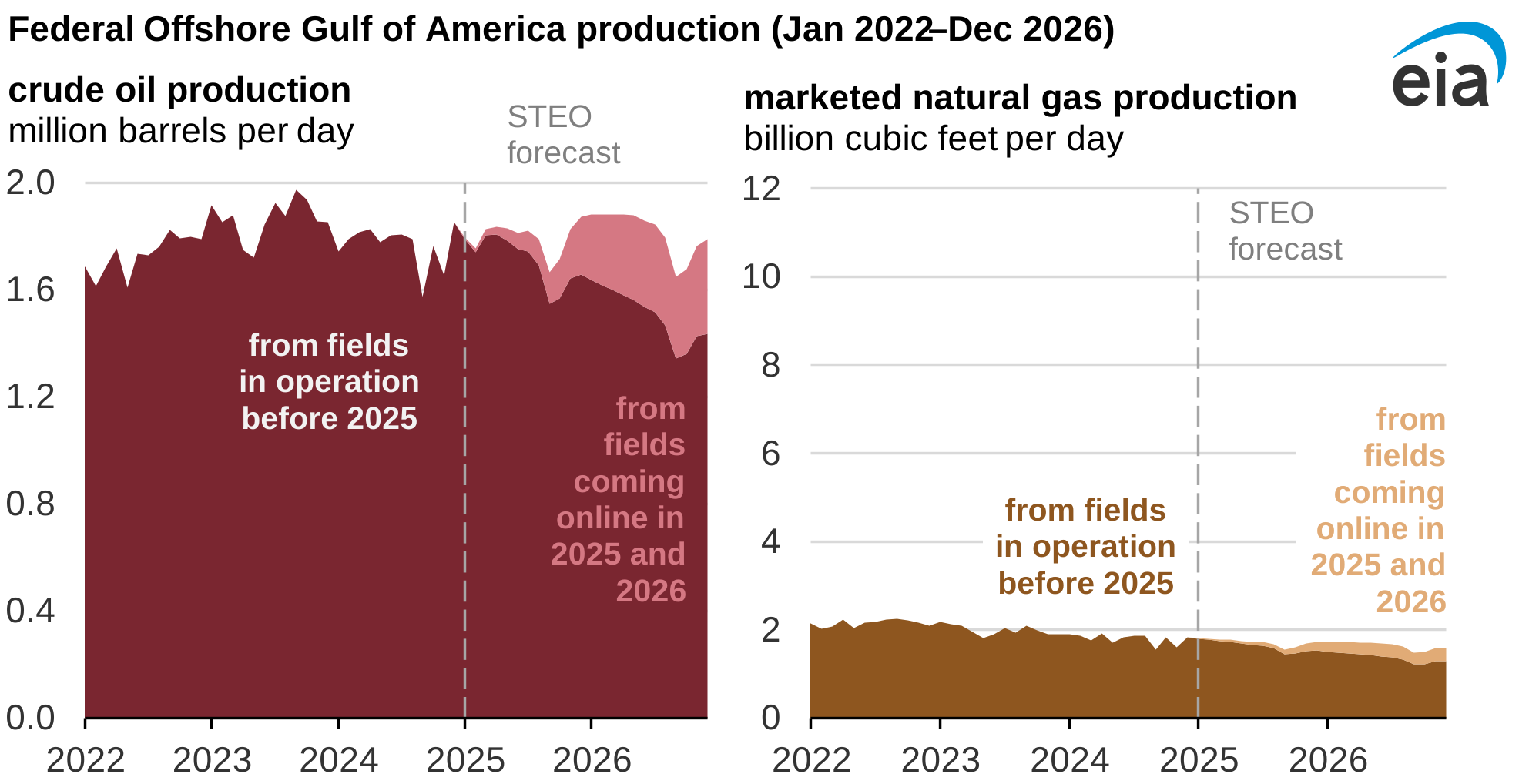
Despite the worst efforts of Biden’s Autopen, Gulf of America operators managed to maintain a production level of about 1.8 million barrels per day, second only to the Permian Basin, among US oil producing regions.
We forecast crude oil production in the Federal Offshore Gulf of America (GOA) will average 1.80 million barrels per day (b/d) in 2025 and 1.81 million b/d in 2026, compared with 1.77 million b/d in 2024, in our most recent Short-Term Energy Outlook (STEO). We expect GOA natural gas production to average 1.72 billion cubic feet per day (Bcf/d) in 2025 and 1.64 Bcf/d in 2026, compared with 1.79 Bcf/d in 2024. At these volumes, the GOA is forecast to contribute about 13% of U.S. crude oil production and 1% of U.S. marketed natural gas production in 2025 and 2026.
We expect operators to start crude oil and natural gas production at 13 fields in the GOA during 2025 and 2026, without which GOA production would decline. Eight fields will be developed using subsea tiebacks or underwater extensions to existing Floating Production Units (FPUs) at the surface. Five fields will produce from four new FPUs, with one of the new FPUs (Salamanca FPU) targeting production from two fields.
We expect the additional crude oil production from all new fields will contribute 85,000 b/d in 2025 and 308,000 b/d in 2026. We expect associated natural gas production from the new fields will average 0.09 Bcf/d in 2025 and 0.27 Bcf/d in 2026.
Three fields began producing earlier this year:
Whale Whale, one of the largest fields expected to come online in 2025 and 2026, started producing in January 2025 from a new FPU of the same name. The Whale FPU, located in more than 8,600 feet of water, is expected to produce around 85,000 b/d of crude oil at its peak.
Dover The Dover field also started production in April as a subsea tieback to the existing Appomattox facility with expected peak production of around 15,000 b/d.
Production coming online in the second half of 2025:
Shenandoah The Shenandoah field, which will produce from an FPU of the same name, is scheduled to start production in June 2025 with an initial capacity of 120,000 b/d, which will be expanded to 140,000 b/d in early 2026. The Shenandoah Phase 1 development will use new technologies to produce from a deepwater high-pressure field.
Leon and Castile Another new FPU we expect to come online in the second half of 2025, Salamanca, will process oil and natural gas from the Leon and Castile discoveries. The Salamanca project involved refurbishing a previously decommissioned production facility and has a capacity of 60,000 b/d of oil and 40 million cubic feet per day of natural gas.
Three new subsea tiebacks are expected to begin production in 2026: Silvertip Phase 3, Longclaw, and Monument, a subsea tieback to the Shenandoah FPU.
Hurricanes in the Gulf of America could disrupt the production and development timeline of these new fields. Colorado State University anticipates that the 2025 Atlantic Basin hurricane season will have above-normal activity with 17 named storms.
The One Big Beautiful Bill Act and the Gulf of America
While the One Big Beauiful Bill Act is far from perfect, it codified a legal requirement for BOEM to hold two area-wide Gulf of America lease sales every year through 2041, streamlines commingling permits and reduces the royalty rate back down to 12.5% (1/8th).
Offshore Oil & Gas Provisions The final bill includes strong offshore energy measures, many long supported by NOIA:
Mandates Two Gulf of America Lease Sales Annually for the next 15 years, each offering at least 80 million acres.
Requires Six Offshore Lease Sales in Cook Inlet, Alaska over the next decade.
Streamlines Offshore Operations: Requires BSEE to approve production commingling requests unless safety or production is negatively impacted.
Restores Previous Royalty Rate: Reinstates the minimum 12.5% royalty rate for new offshore leases.
Boosts Revenue Sharing: Increases the GOMESA revenue cap to $650 million annually, up from $500 million.
After the Senate vote, NOIA President Erik Milito praised the offshore leasing provisions, calling them a necessary course correction after “years of policy whiplash”:
Mandated Gulf of America lease sales are absolutely essential. They give companies, whether family-run service shops or global manufacturers, the predictability needed to invest, hire, and build. When lease schedules vanish, so do jobs, capital, and energy security, with consequences felt far beyond the Gulf Coast.
The mandated lease sale requirement is critical. In May 2020, NOIA published a report showing the potential economic impacts from a cessation of GOA lease sales.
These impacts would lead to a sharp drop in oil & gas production. I added the actual production data for 2017-2024 to the graph. Actual production has been 100-200 mbbl/d less than the NOIA baseline since 2020 due to the effects of the Shamdemic and 2020 coup d’état.
The mandate of “two Gulf of America Lease Sales Annually for the next 15 years, each offering at least 80 million acres” pretty well guarantees an active leasing program through 2041 and will give GOA operators a decent shot at exceeding 2 million bbl/d. Unless, of course, some Obama or Biden judge declares that only Federal judges can pass laws.
U.S. — The country was thrown into chaos this morning as a federal judge from the D.C. District Court overturned the law of gravity nationwide.
“The law of gravity is a bigoted law that quite literally keeps people down. This is typical of the fascist authoritarianism that has become President Trump’s brand,” said Judge Porben Crumbly of his latest ruling. “It is a blatant violation of the Constitution and my sensitive leftist sensibilities. It is therefore my divine will as an all-powerful federal judge that gravity no longer exists.”
Within minutes of Judge Crumbly making his decision, everything in the country began to float into the sky in compliance with the ruling. Sources said the sky was now filled with thousands of people, automobiles, chickens, rocks, televisions, and other objects that were typically known for staying on the ground. “How does a federal judge have this kind of authority?” said one woman, who was attempting to walk her chihuahua at 12,000 feet. “It seems like too much authority, but maybe that’s just me.”
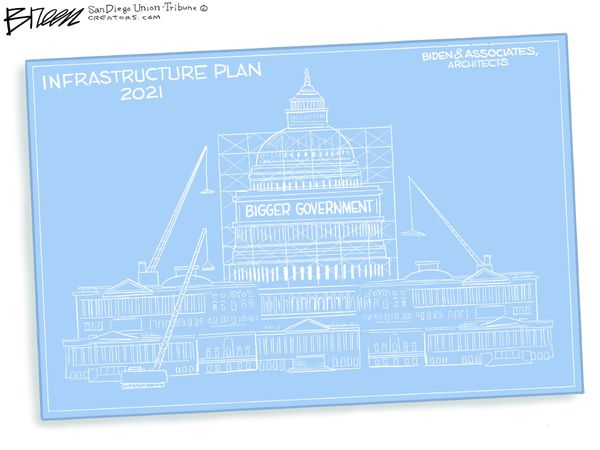
With Congress passing the One Big Beautiful Bill Act into US law, let’s consider the policy implications going forward. Also note the irony of the previous Biden administration BBBA (Build Back Better Act) which failed:
Speaker Mike Johnson listed 25 Trump Executive Orders now codified into law by Congress (highlighted are those most related to climate policies):
Securing our Borders
Declaring a National Emergency at the Southern Border
Protecting the American People Against Invasion
Ending Taxpayer Subsidization of Open Borders
Restricting the Entry of Foreign Nationals to Protect the United States from Foreign Terrorists and other National Security and Public Safety Threats
Implementing the President’s DOGE Cost Efficiency Initiative
Protecting America’s Bank Account Against Fraud, Waste and Abuse
Continuing the Reduction of the Federal Bureaucracy
Stopping Waste, Fraud and Abuse by Eliminating Information Silos
Iron Dome for America
Unleashing American Drone Dominance
Restoring America’s Maritime Dominance
Unleashing American Energy
Reinvigorating America’s Beautiful Clean Coal Industry
Immediate Measures to Increase American Mineral Production
Immediate Expansion of American Timber Production
Clarifying the Military’s Role in Protecting the Territorial Integrity of the United States
Keeping Americans Safe in Aviation
Improving Education Outcomes by Empowering Parents, States and Communities
Reforming Accreditation to Strengthen Higher Education
Establishing the President’s Make America Healthy Again Commission
Further Amendment to Duties Addressing the Synthetic Opioid Supply Chain in the People’s Republic of China as Applied to Low-Value Imports
The Organization for Economic Cooperation and Development Global Tax Deal
Enforcing the Hyde Amendment
Celebrating America’s 250th Birthday — Garden of Heroes
Making the District of Columbia Safe and Beautiful
I used perplexity.ai to answer two questions about what impact to expect from this Development. Text in italics with my boldsand added images.
Several Trump Executive Orders since January 2025 have directly
targeted climate change policies at both the federal and state levels.
Rescinding Biden-Era Climate Orders: Trump issued an executive order revoking all previous administration executive orders related to climate change, the clean energy transition, and climate finance. This included: the cancellation of national and sectoral climate targets, such as net zero by 2050, 100% electric vehicle sales by 2035, and the revocation of the National Climate Task Force and the State Department’s Climate Change Support Office.
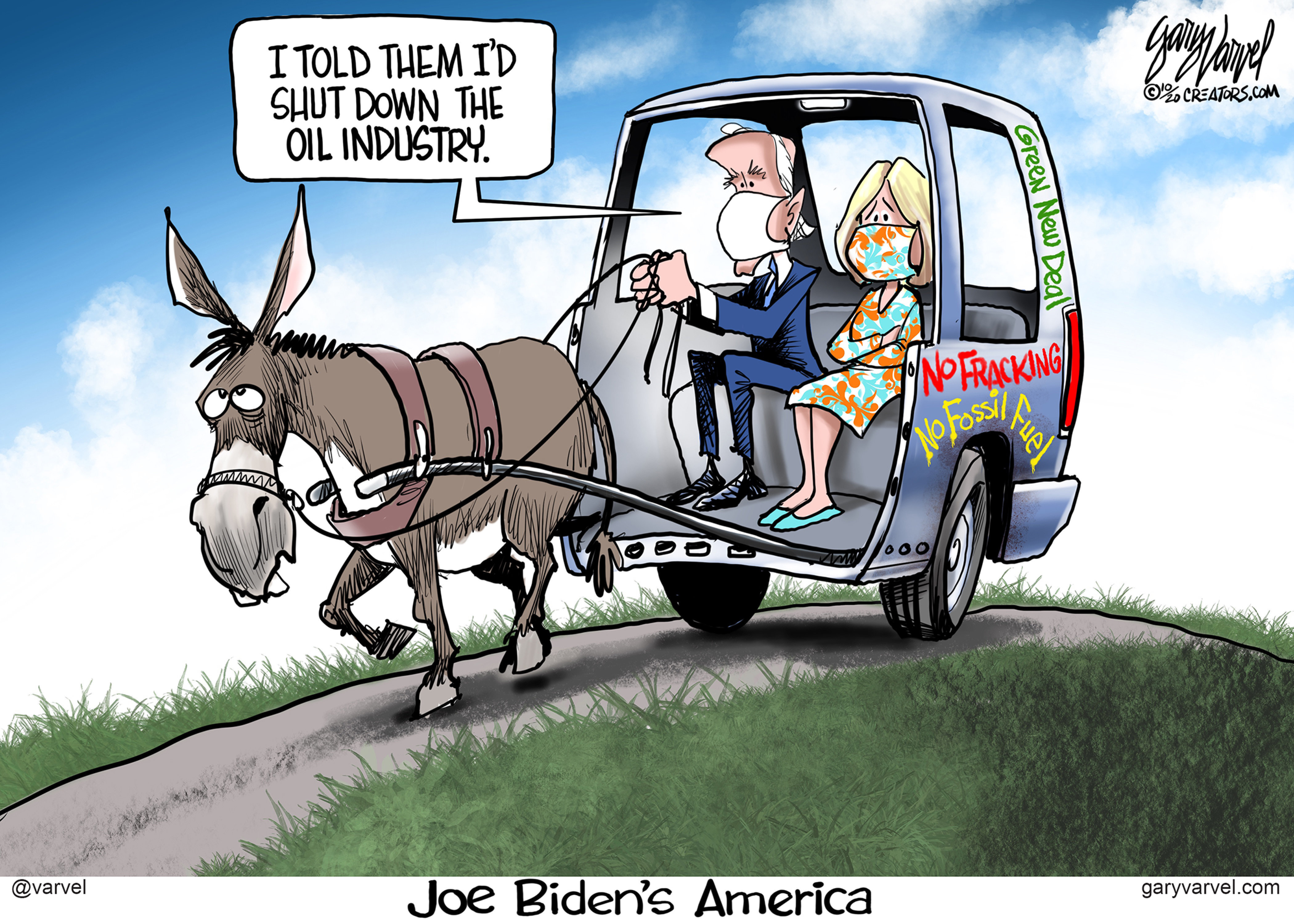
Declaring a National Energy Emergency: An executive order declared a national emergency on energy, prioritizing fossil fuel development, including in previously protected areas like Alaska. It directed agencies to expedite energy permitting and infrastructure, and to use emergency authorities to facilitate new energy projects, especially for oil, gas, coal, and critical minerals.
Disbanding the Social Cost of Greenhouse Gases Group: The “Unleashing American Energy” executive order disbanded the Interagency Working Group on the Social Cost of Greenhouse Gases, excluding its work from government policy and directing agencies to consider eliminating the social cost of carbon from regulatory decisions.
Blocking State Climate Change Policies: In April 2025, Trump signed an executive order instructing the U.S. Attorney General to identify and take action against state and local laws that address climate change, ESG initiatives, environmental justice, and carbon emissions. The order specifically targeted state policies that mandate clean energy, impose carbon fees, or hold fossil fuel companies accountable for climate impacts.
Promoting Coal and Grid Reliability: Additional executive orders promoted coal mining and coal-based power, particularly for AI data centers, and emphasized strengthening the reliability and security of the electric grid. These actions are expected to increase emissions from the power sector.
Rolling Back Wind Energy Initiatives: Trump withdrew the Outer Continental Shelf from wind energy leasing, paused project approvals, and directed a review of federal wind leasing and permitting practices.
Halting Federal Climate Funding: The administration paused disbursements of funds appropriated through the Inflation Reduction Act and the Bipartisan Infrastructure Law that support climate initiatives, including electric vehicle charging infrastructure.
Challenging State Authority: The executive orders aim to preempt or invalidate state-level climate actions, especially those seen as burdensome to domestic energy production. States like California, New York, and Vermont, with aggressive climate policies, are specifically mentioned as targets of these federal actions.
These orders collectively represent a broad effort to reverse federal and state climate change policies, prioritize fossil fuel development, and roll back regulations and incentives for clean energy and emissions reduction.
With Trump’s executive orders on climate and energy now codified
as law by Congress, the following effects are taking place.
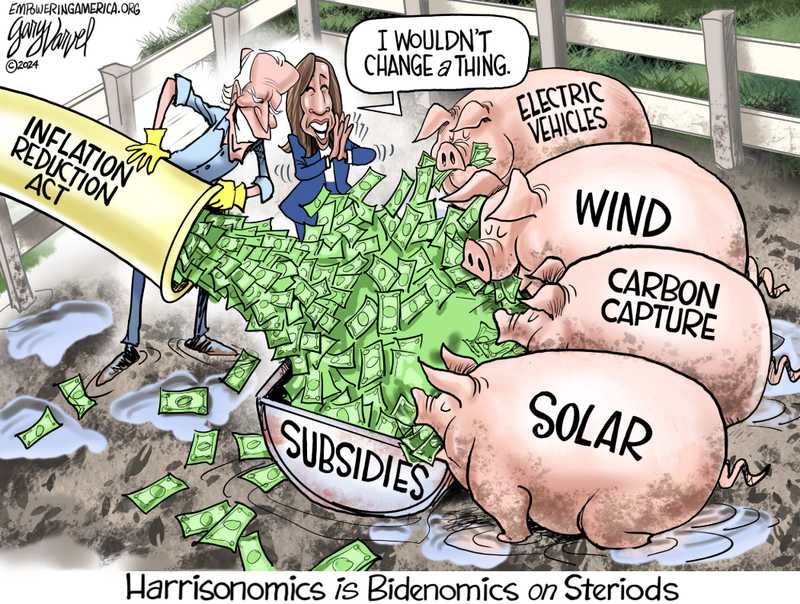
Federal Climate Programs Rolled Back: The new laws have solidified the rollback of key federal climate and clean energy initiatives, including the dismantling of the Inflation Reduction Act’s (IRA) climate provisions, elimination of the Justice40 commitment, and withdrawal from the Paris Agreement. Federal agencies are now required by law to halt or redirect funding away from climate-focused programs and environmental justice initiatives.
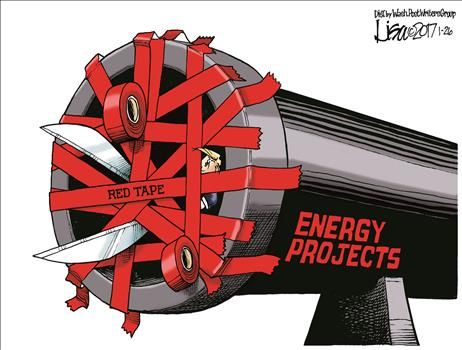
Permitting and Environmental Review Weakened Reformed: The codified laws have overhauled the National Environmental Policy Act (NEPA) process, prioritizing rapid permitting for energy (especially fossil fuel) projects and rescinding previous NEPA regulations. This accelerates approvals for oil, gas, and infrastructure projects, often at the expense of environmental review and public input from decarbonizing activists.
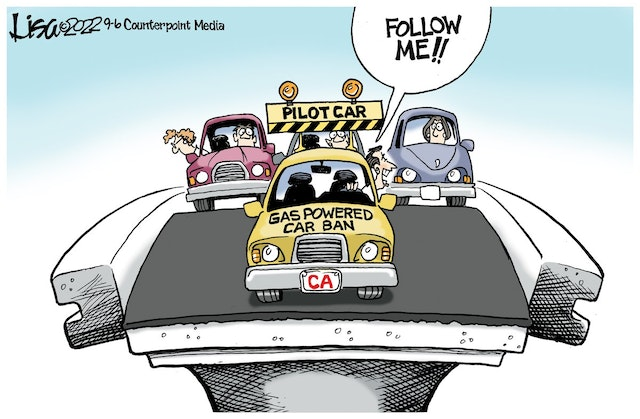
Electric Vehicle and Clean Energy Incentives Cut: The laws have ended or severely restricted federal incentives for electric vehicles (EVs), including tax credits and mandates. California’s authority to set stricter emissions standards has been revoked, and other states cannot enforce more aggressive climate policies than federal standards.
Wind and Solar Tax Credits Limited: Although a last-minute legislative compromise allowed renewable projects a one-year window to claim tax credits, Trump’s executive order—now backed by law—directs the Treasury to sharply restrict eligibility. Only projects with substantial physical progress will qualify, making it harder for wind and solar developers to access these credits and reducing the financial viability of new clean energy projects.
Social Cost of Carbon Eliminated: The laws have abolished the use of the “social cost of greenhouse gases” in federal decision-making. Agencies are directed to ignore or eliminate this metric from permitting and regulatory processes, undermining the rationale for regulating greenhouse gas emissions.
Endangerment Finding Under Review: The EPA is required to review the 2009 Endangerment Finding (the scientific and legal basis for regulating greenhouse gases under the Clean Air Act). If overturned or weakened, this could eliminate the EPA’s authority to regulate carbon emissions from vehicles and industry.
Preemption of State Climate Laws: The Attorney General is now legally empowered to challenge and potentially invalidate state and local climate change laws that are viewed as restricting domestic energy production or conflicting with federal policy. This targets states like California and New York, threatening their ability to set independent climate standards.
International Climate Commitments Withdrawn: The United States has formally withdrawn from the Paris Agreement and ceased all international climate finance, isolating the U.S. from global climate efforts and reducing international pressure for domestic climate action.
These changes, now enshrined in law, represent a comprehensive reversal of previous federal and state climate change policies, prioritizing fossil fuel development and deregulation while sharply curtailing support for clean energy and emissions reduction.
The legal codification makes these policy shifts more durable
and harder for future administrations to quickly reverse.
The latest theory on X is that Bill Clinton caused the Texas flooding. (1) Concerned Citizen on X: “Nothing to see here, just the young CEO of Rainmaker Augustus Doricko hanging out with Bill Clinton https://t.co/1FKL3AO87H” / X
The tragedy on the Guadalupe River in Texas is as shocking and sad as it gets. A flash flood took the lives of at least 100 people, including many children, at a popular Christian summer camp held in the floodplain. Climate alarmists and ghoulish politicians were quick to blame both climate change and budget and staffing cuts by President Trump for the loss of life.
The truth is, the federal agency responsible for issuing flash flood warnings did its job and confirmed it had sufficient staffing. Flash floods are a regular occurrence in the Texas Hill Country, with that very same floodplain experiencing a similar tragedy in the 1980s. The attempts to politicize this tragedy and use it to advance the climate agenda are disgusting and wrong.
On episode #164 of The Climate Realism Show, we bring you the facts.
The Heartland Institute’s Anthony Watts, Sterling Burnett, Linnea Lueken, and Jim Lakely will also cover some of the Crazy Climate News of the Week with special guests Myron Ebell and Steve Milloy.
What changes are afoot in climate and energy policy thanks to the Big Beautiful Bill signed into law by President Trump on July 4? Why are climate alarmists so obsessed (and wrong) about bees? And Bill Nye is up to his tired old tricks again, blaming the Texas floods on our use of fossil fuels.
Join us LIVE at 1 p.m. ET on YouTube, Rumble, and X, and drop your questions in the chat for our panel to answer.
Discover more from Watts Up With That?
Subscribe to get the latest posts sent to your email.








 Iowa Climate Science Education
