Nigel Farage’s Reform Party took control of Kent County Council in this year’s elections and they are now looking at ways to save money. This article explains the details.
5:25 Everybody knows the one thing you can do to cut your power bills is to install Solar
6:53 Countries are lining up to learn from the Australian experience
7:57 In May this year, China installed 116Gw of renewable energy. … Australia installed just over 7Gw last year.
9:30 China foresaw the trillion dollar transfer of wealth underway from the fossil fuel sector to the renewable sector decades ago.
12:00 The world can’t leave it to China alone, Australia must also diversify
12:36 But not everyone is leaning into the transition. Just think about this, imagine the transition as a marathon race. The best runners run a marathon in a little over two hours. And so if the multi transition, the multi-trillion dollar transition of the world were a marathon race, then countries like Australia, Japan, the US would be like the runners at the start line, limbering up, getting their numbers. But the only problem was, that race began an hour ago. That is how far ahead China is in this race. Now for a brief moment, it looked like the US would put themselves in contention for a podium finish, the Biden administration’s Inflation Reduction Act, unlocking a trillion dollars in investment. Then on Friday the 4th of July, President Trump signed his big beautiful bill.
Now I’ll leave it to Elon Musk to critique, I want to travel to the US one day. “It gives handouts to the industries of the past, while severely damaging industries of the future”.
Here here Elon Musk. It is an effective US surrender, out of the energy transformation race. And actually that’s really bad news, bad for the entire world. Clean energy is not just a climate policy, it’s an industrial strategy, a productivity strategy.
18:40 But friends, not all of our political leaders share the same vision. I’ve been the chief executive of the smart energy council for 17 years. And it’s been a shocking thing to watch. Being anti-renewables is a defining test of allegiance for the coalition. Strangely Trumpian, in a world before Trump the politician. Going all in on an economic and engineering lie. A lie which sits at the heart of the not so secret coalition agreement between the liberals and the national party. That renewables can’t compete, that they’re too weak, too unreliable. That adherence, that belief, gets you in, and keeps you in. Break ranks and you’re done for.
23:30 [Talking about former opposition leader Peter Dutton’s nuclear plan] The leading energy analysts at climate energy finance, the full costings, capturing it all, the put the cost [full life cost of 7 nuclear reactors], the entire cost, at between 4.8 and 5.2 trillion dollars.
29:45 Gas is a gamble
30:14 Building a circular economy is also central to reform
32:31 COP31 will deliver billions of dollars to the Australian economy, through trade deals and tourism, and expose Australian businesses to the world. But we haven’t secured the bid yet. … Friends we are in the diplomatic and economic race for our lives, to real zero.
33:37 [Question] You’ve received a little bit of applause here, in making for a 2035 target in the high 70s range. Yet In view of Trump’s United States, the general perception is the race is if anything slowing down. Why would Australia be acting proportionately with the rest of the world if it went for such a high figure, in the high 70s?
The global transfer of wealth, the $10 trillion which is spent a year on coal, oil, gas, petrol, diesel around the world, that is transitioning. The world is in the process of electrifying everything that can be electrified, transportation, gas industries, renewable energy and more. That is really significant. And why are they doing that? They are not doing that because there is a UN mandate or a charter, they are doing it because that saves them money. It is actually the cheapest thing to do. There is a race underway, countries which lean into this and secure the advantage, win disproportionately economically. And that is Australia’s challenge. And if you set the signal, if we unite behind this as a nation, it’s possible. I’ll tell you one other thing I see in China, one thing you can say about the Chinese system, is that China plays as a team. And Australia spends all of our time trying to tear each other apart. That is no way to compete for team Australia, to think about our collective national wealth, our natural resources, and our intellectual capacity. And that’s why it is so important that Australia does lean in, because this is the trade and business and investment opportunity of a lifetime.
48:30 [Question – Michael de Percy, Spectator] An hour north of here in the Upper Lachlan, there are wind turbines in every direction as far as the eye can see. Power bills have gone up, over the last four years, 40%. The question is, why should residents of the Upper Lachlan trust what you say today, and also will it actually get cheaper? We’re hearing “free”, but its costing a lot of money
You know, it takes me back. Do you remember, was it Joe Hockey, passed the wind turbines on the way to, you know, the blight on the landscape. It was the period when we had, these were creating acoustic brain cancer in people, right? It was a phase that we went through in this county. Um that’s not to say, that there are people in regional rural Australia that don’t have genuine concerns, and they’re right to hold them. But I would say this: we need to get better in engaging in these nation building projects. One thing that I’m advocating for amongst our membership is to bring forward projects that do more community benefit sharing. That actually means if we’re producing the cheapest power, and the community is hosting it, why can’t we have a mechanism, that actually gives in that community 5c off their retail for their energy for example right? There’s that we could do, to spread the load, covered by one community, but its covered by the entire nation.
1:01:55 [Solar powered data centers] – Why don’t we … make the green data centers here? We could actually build enormously power hungry AI chatGPT big servers which are going to, if we don’t get this right, not only push up energy prices but be a carbon bomb which destroys the world, why wouldn’t we build those data centers where energy is the cheapest to produce, where we actually tap into Australian sunshine and wind, energy storage, to actually attract that investment in our country…
I love John Grimes’ version of rolling back the 40% energy price rise over the last 4 years, by giving a small groups adjacent to objectionable renewable facilities a 5c discount, and “spreading the load” on everyone else. Doesn’t sound much like a price cut which would benefit all Australians.
Solar powered data centers – what a joke. When you have a multi acre installation with equipment which costs up to $10,000 / square yard, when idle time loses you millions of dollars per hour, and the installation requires hundreds of megawatts of rock steady reliable energy, playing balancing games with unreliables is a headache you don’t need. How much energy storage would be required to guarantee that system running 24×7? There is a reason Microsoft is restarting Three Mile Island nuclear plant to feed their insatiable energy needs, this is not a level of energy use which can be reliably supplied by battery firmed solar. And that nuclear plant isn’t costing Microsoft the best part of a trillion dollars, which is what John Grimes thinks it costs to build a nuclear plant.
The part which really upset me was Smart Energy Council CEO John Grimes praise for China.
China might be “pulling together” on Net Zero, but they are also building a lot of coal plants – a fact John overlooked in his presentation.
China is also facing credible accusations of using slave labour in their renewable industry – the article below details sanctions imposed by U.S. Customs and Border Protection after they discovered evidence of forced labor in China’s solar supply chains.
John Grimes’ also in my opinion praised China and displayed disdain for Australia’s political process, which he described as “tearing each other apart”. There is a name for “tearing each other apart” verbally, that name is democratic debate. As the author Terry Pratchett once said, Pulling together is the aim of despotism and tyranny. Free men pull in all kinds of directions. And if that freedom to pull in whatever direction you want sometimes looks like “tearing each other apart”, the alternative, pulling together Chinese style, at the point of a gun, with overseers, chains and whips at the ready if anyone dissents, lets just say that isn’t the kind of pulling together I would choose.
Chinese style pulling together frequently also leads to terrible outcomes and massive resource misallocation. Part of the reason China is in serious economic trouble right now is they squandered billions of dollars on excess housing, high speed rail, and a bunch of other boondoggles far in excess of rational need. Under the Chinese system no underling has the freedom to call out the incompetence and corruption of their bosses.
The green agenda John Grimes praised is particularly untouchable in China, because that agenda was set by President Xi Jinping. Xi’s administration has repeatedly demonstrated incompetence at managing China’s energy needs. But Chinese people who challenge Xi’s authority seem to have unusually bad luck when it comes to being arrested, or other unfortunate life events, so I doubt many people in China have the courage to tell Xi to his face he is making a mistake. But there are other signs of trouble in communist paradise – The effort China is putting into building coal plants contradicts claims that Xi’s renewable push is an overwhelming success.
Claims that renewables offer an economic advantage are clearly nonsense. Profitable opportunities don’t need government subsidies. European states and US states like California have sky high energy costs, despite having embraced the renewable transition for decades. After years of effort and billions of dollars of public expenditure, you would have expected to see some benefits by now, if there were any benefits to be had.
But you know what? It’s a free world, unless perhaps you are one of those unfortunate Chinese renewable manufacturing team members who is permanently chained to their workstation for the crime of being a member of an ethnic minority group.
President Trump has not stopped California or other green states from pursuing their renewable dreams. All Trump did was pull the federal funding, force them to go green on their own dime, instead of making everyone else pay for their fantasies.
Discover more from Watts Up With That?
Subscribe to get the latest posts sent to your email.
From 2021 through 2024, BOEM only held three GOA lease sales. Lease Sale 257, held in November 2021, was nullified by a corrupt Obama judge. Biden, or whoever was operating the Autopen, cancelled sales 259 and 261, scheduled for 2022 and 2023 respectively. Then Biden’s Interior Department unlawfully refused to issue a new leasing plan. If not for one good provision in the Inflation Reduction Act, there would have been no GOA lease sales.
The Inflation Reduction Act (the Act), which passed the U.S. Senate on Aug. 7, 2022, requires that previously announced offshore lease sales in the Gulf of Mexico and Alaska be held during the next two years.
The Act requires the U.S. Department of the Interior (Interior) to award leases to the highest bidders in Lease Sale 257, which was held in November 2021. In January 2022, the U.S. District Court for the District of Colombia vacated Lease Sale 257 after finding that Interior’s environmental review failed to adequately consider certain greenhouse gas emissions related to holding the offshore oil and gas lease sale. See Friends of the Earth v. Haaland, 2022 WL 254526 (D.D.C. Jan. 27, 2022).
The Act directs Interior to rely on its Record of Decision for Outer Continental Oil and Gas Leasing Program Final Programmatic Environmental Impact Statement issued on Jan. 17, 2017 (82 Fed. Reg. 6643). The Act also requires Interior to move forward with Lease Sale 258 in Alaska Region’s Cook Inlet by Dec. 31, 2022, and two additional Gulf of Mexico Lease sales, Lease Sales 259 and 261, by March 2023 and September 2023, respectively. The Act provides that the restored and new lease sales be held despite the fact that the Five-Year Leasing Plan mandated by the Outer Continental Shelf Lands Act expired in June 2022.
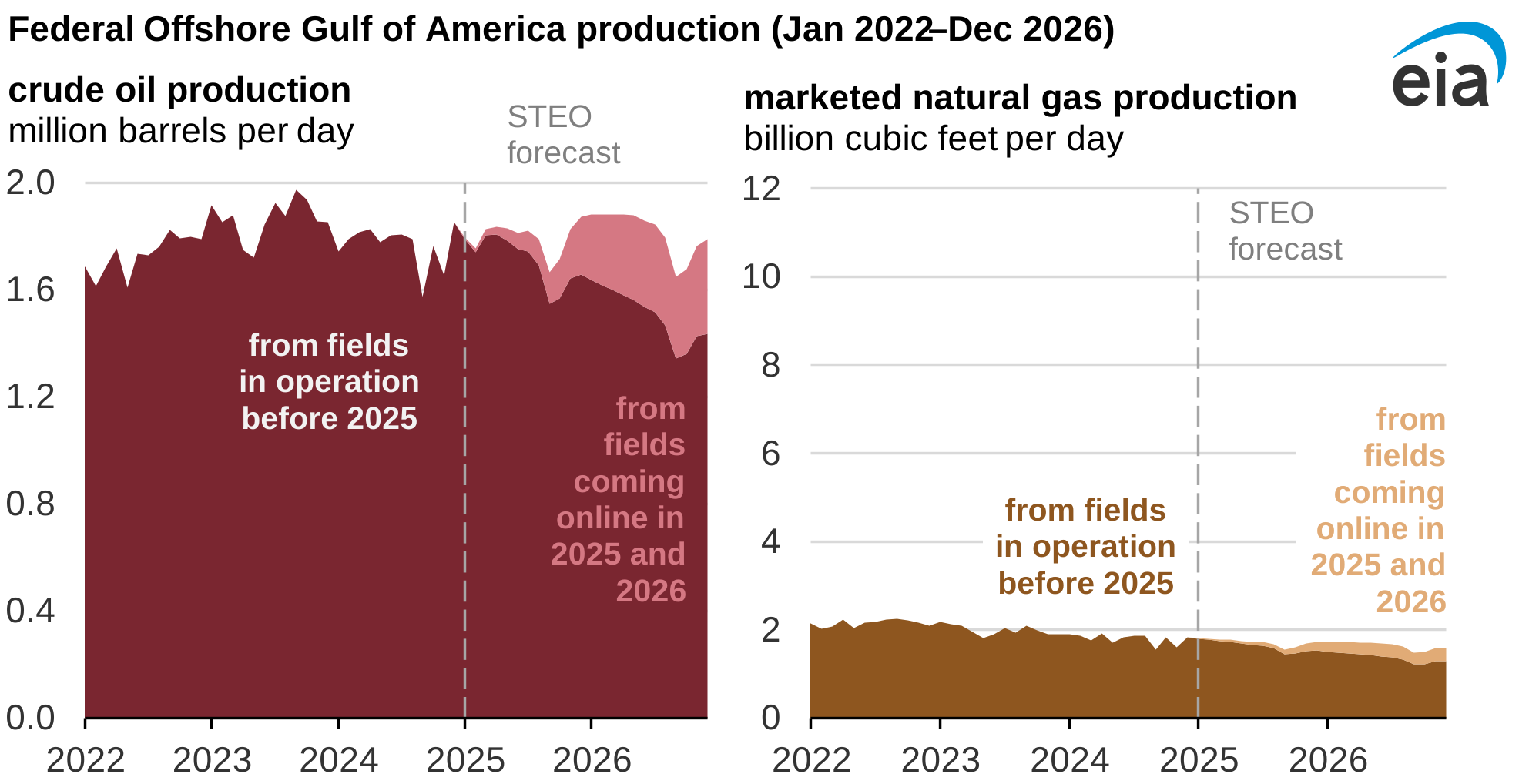
Despite the worst efforts of Biden’s Autopen, Gulf of America operators managed to maintain a production level of about 1.8 million barrels per day, second only to the Permian Basin, among US oil producing regions.
We forecast crude oil production in the Federal Offshore Gulf of America (GOA) will average 1.80 million barrels per day (b/d) in 2025 and 1.81 million b/d in 2026, compared with 1.77 million b/d in 2024, in our most recent Short-Term Energy Outlook (STEO). We expect GOA natural gas production to average 1.72 billion cubic feet per day (Bcf/d) in 2025 and 1.64 Bcf/d in 2026, compared with 1.79 Bcf/d in 2024. At these volumes, the GOA is forecast to contribute about 13% of U.S. crude oil production and 1% of U.S. marketed natural gas production in 2025 and 2026.
We expect operators to start crude oil and natural gas production at 13 fields in the GOA during 2025 and 2026, without which GOA production would decline. Eight fields will be developed using subsea tiebacks or underwater extensions to existing Floating Production Units (FPUs) at the surface. Five fields will produce from four new FPUs, with one of the new FPUs (Salamanca FPU) targeting production from two fields.
We expect the additional crude oil production from all new fields will contribute 85,000 b/d in 2025 and 308,000 b/d in 2026. We expect associated natural gas production from the new fields will average 0.09 Bcf/d in 2025 and 0.27 Bcf/d in 2026.
Three fields began producing earlier this year:
Whale Whale, one of the largest fields expected to come online in 2025 and 2026, started producing in January 2025 from a new FPU of the same name. The Whale FPU, located in more than 8,600 feet of water, is expected to produce around 85,000 b/d of crude oil at its peak.
Dover The Dover field also started production in April as a subsea tieback to the existing Appomattox facility with expected peak production of around 15,000 b/d.
Production coming online in the second half of 2025:
Shenandoah The Shenandoah field, which will produce from an FPU of the same name, is scheduled to start production in June 2025 with an initial capacity of 120,000 b/d, which will be expanded to 140,000 b/d in early 2026. The Shenandoah Phase 1 development will use new technologies to produce from a deepwater high-pressure field.
Leon and Castile Another new FPU we expect to come online in the second half of 2025, Salamanca, will process oil and natural gas from the Leon and Castile discoveries. The Salamanca project involved refurbishing a previously decommissioned production facility and has a capacity of 60,000 b/d of oil and 40 million cubic feet per day of natural gas.
Three new subsea tiebacks are expected to begin production in 2026: Silvertip Phase 3, Longclaw, and Monument, a subsea tieback to the Shenandoah FPU.
Hurricanes in the Gulf of America could disrupt the production and development timeline of these new fields. Colorado State University anticipates that the 2025 Atlantic Basin hurricane season will have above-normal activity with 17 named storms.
The One Big Beautiful Bill Act and the Gulf of America
While the One Big Beauiful Bill Act is far from perfect, it codified a legal requirement for BOEM to hold two area-wide Gulf of America lease sales every year through 2041, streamlines commingling permits and reduces the royalty rate back down to 12.5% (1/8th).
Offshore Oil & Gas Provisions The final bill includes strong offshore energy measures, many long supported by NOIA:
Mandates Two Gulf of America Lease Sales Annually for the next 15 years, each offering at least 80 million acres.
Requires Six Offshore Lease Sales in Cook Inlet, Alaska over the next decade.
Streamlines Offshore Operations: Requires BSEE to approve production commingling requests unless safety or production is negatively impacted.
Restores Previous Royalty Rate: Reinstates the minimum 12.5% royalty rate for new offshore leases.
Boosts Revenue Sharing: Increases the GOMESA revenue cap to $650 million annually, up from $500 million.
After the Senate vote, NOIA President Erik Milito praised the offshore leasing provisions, calling them a necessary course correction after “years of policy whiplash”:
Mandated Gulf of America lease sales are absolutely essential. They give companies, whether family-run service shops or global manufacturers, the predictability needed to invest, hire, and build. When lease schedules vanish, so do jobs, capital, and energy security, with consequences felt far beyond the Gulf Coast.
The mandated lease sale requirement is critical. In May 2020, NOIA published a report showing the potential economic impacts from a cessation of GOA lease sales.
These impacts would lead to a sharp drop in oil & gas production. I added the actual production data for 2017-2024 to the graph. Actual production has been 100-200 mbbl/d less than the NOIA baseline since 2020 due to the effects of the Shamdemic and 2020 coup d’état.
The mandate of “two Gulf of America Lease Sales Annually for the next 15 years, each offering at least 80 million acres” pretty well guarantees an active leasing program through 2041 and will give GOA operators a decent shot at exceeding 2 million bbl/d. Unless, of course, some Obama or Biden judge declares that only Federal judges can pass laws.
U.S. — The country was thrown into chaos this morning as a federal judge from the D.C. District Court overturned the law of gravity nationwide.
“The law of gravity is a bigoted law that quite literally keeps people down. This is typical of the fascist authoritarianism that has become President Trump’s brand,” said Judge Porben Crumbly of his latest ruling. “It is a blatant violation of the Constitution and my sensitive leftist sensibilities. It is therefore my divine will as an all-powerful federal judge that gravity no longer exists.”
Within minutes of Judge Crumbly making his decision, everything in the country began to float into the sky in compliance with the ruling. Sources said the sky was now filled with thousands of people, automobiles, chickens, rocks, televisions, and other objects that were typically known for staying on the ground. “How does a federal judge have this kind of authority?” said one woman, who was attempting to walk her chihuahua at 12,000 feet. “It seems like too much authority, but maybe that’s just me.”
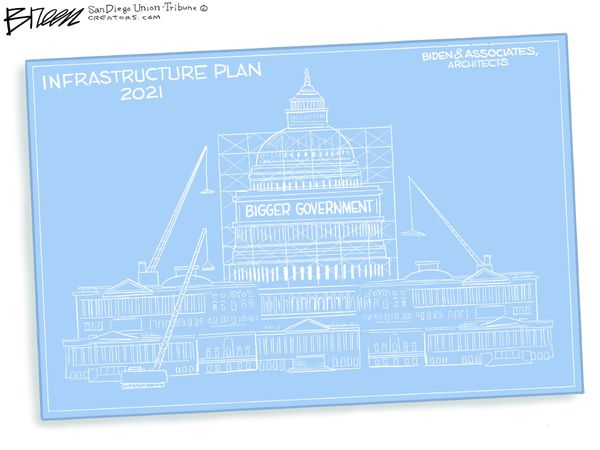
With Congress passing the One Big Beautiful Bill Act into US law, let’s consider the policy implications going forward. Also note the irony of the previous Biden administration BBBA (Build Back Better Act) which failed:
Speaker Mike Johnson listed 25 Trump Executive Orders now codified into law by Congress (highlighted are those most related to climate policies):
Securing our Borders
Declaring a National Emergency at the Southern Border
Protecting the American People Against Invasion
Ending Taxpayer Subsidization of Open Borders
Restricting the Entry of Foreign Nationals to Protect the United States from Foreign Terrorists and other National Security and Public Safety Threats
Implementing the President’s DOGE Cost Efficiency Initiative
Protecting America’s Bank Account Against Fraud, Waste and Abuse
Continuing the Reduction of the Federal Bureaucracy
Stopping Waste, Fraud and Abuse by Eliminating Information Silos
Iron Dome for America
Unleashing American Drone Dominance
Restoring America’s Maritime Dominance
Unleashing American Energy
Reinvigorating America’s Beautiful Clean Coal Industry
Immediate Measures to Increase American Mineral Production
Immediate Expansion of American Timber Production
Clarifying the Military’s Role in Protecting the Territorial Integrity of the United States
Keeping Americans Safe in Aviation
Improving Education Outcomes by Empowering Parents, States and Communities
Reforming Accreditation to Strengthen Higher Education
Establishing the President’s Make America Healthy Again Commission
Further Amendment to Duties Addressing the Synthetic Opioid Supply Chain in the People’s Republic of China as Applied to Low-Value Imports
The Organization for Economic Cooperation and Development Global Tax Deal
Enforcing the Hyde Amendment
Celebrating America’s 250th Birthday — Garden of Heroes
Making the District of Columbia Safe and Beautiful
I used perplexity.ai to answer two questions about what impact to expect from this Development. Text in italics with my boldsand added images.
Several Trump Executive Orders since January 2025 have directly
targeted climate change policies at both the federal and state levels.
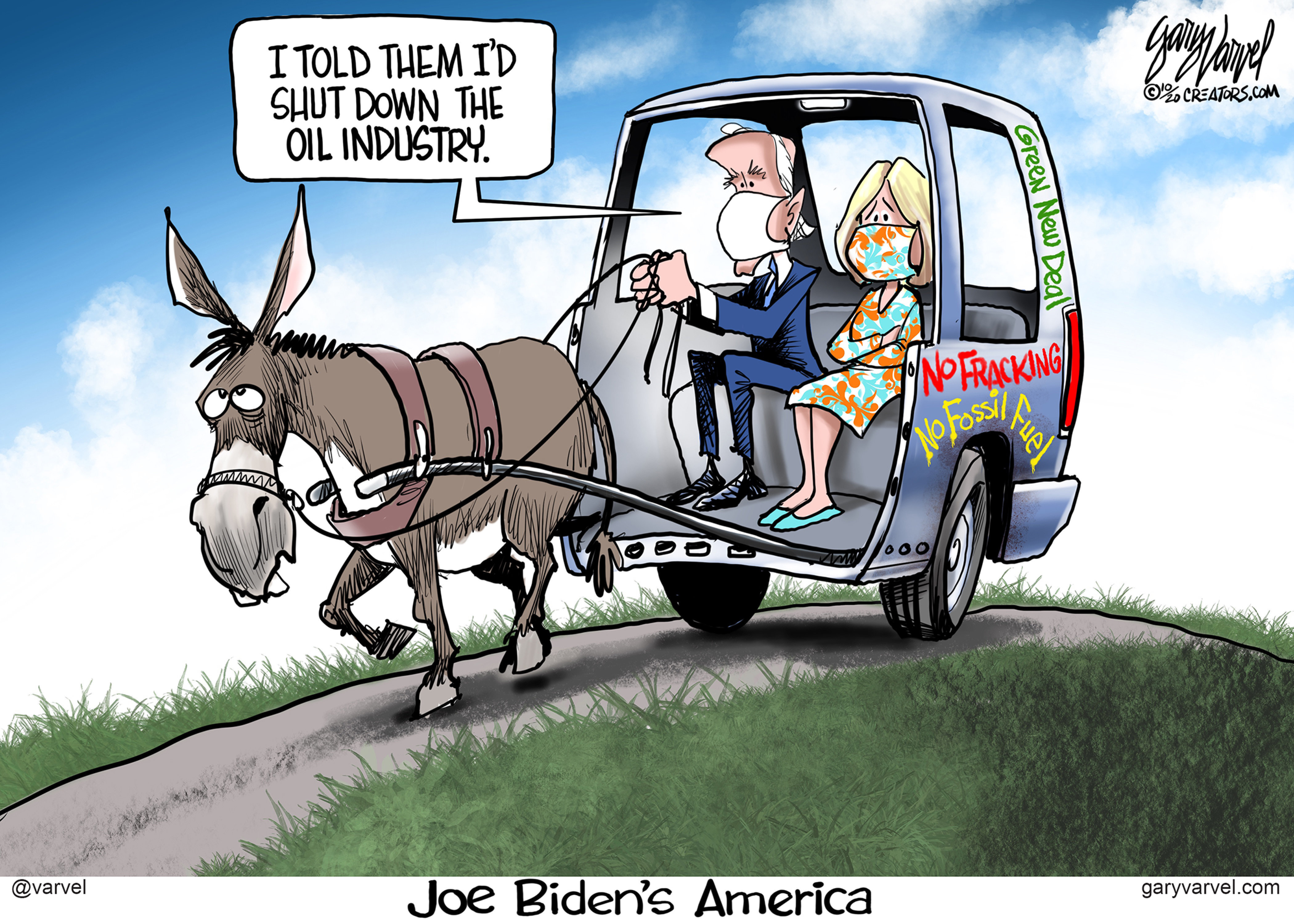
Rescinding Biden-Era Climate Orders: Trump issued an executive order revoking all previous administration executive orders related to climate change, the clean energy transition, and climate finance. This included: the cancellation of national and sectoral climate targets, such as net zero by 2050, 100% electric vehicle sales by 2035, and the revocation of the National Climate Task Force and the State Department’s Climate Change Support Office.
Declaring a National Energy Emergency: An executive order declared a national emergency on energy, prioritizing fossil fuel development, including in previously protected areas like Alaska. It directed agencies to expedite energy permitting and infrastructure, and to use emergency authorities to facilitate new energy projects, especially for oil, gas, coal, and critical minerals.
Disbanding the Social Cost of Greenhouse Gases Group: The “Unleashing American Energy” executive order disbanded the Interagency Working Group on the Social Cost of Greenhouse Gases, excluding its work from government policy and directing agencies to consider eliminating the social cost of carbon from regulatory decisions.
Blocking State Climate Change Policies: In April 2025, Trump signed an executive order instructing the U.S. Attorney General to identify and take action against state and local laws that address climate change, ESG initiatives, environmental justice, and carbon emissions. The order specifically targeted state policies that mandate clean energy, impose carbon fees, or hold fossil fuel companies accountable for climate impacts.
Promoting Coal and Grid Reliability: Additional executive orders promoted coal mining and coal-based power, particularly for AI data centers, and emphasized strengthening the reliability and security of the electric grid. These actions are expected to increase emissions from the power sector.
Rolling Back Wind Energy Initiatives: Trump withdrew the Outer Continental Shelf from wind energy leasing, paused project approvals, and directed a review of federal wind leasing and permitting practices.
Halting Federal Climate Funding: The administration paused disbursements of funds appropriated through the Inflation Reduction Act and the Bipartisan Infrastructure Law that support climate initiatives, including electric vehicle charging infrastructure.
Challenging State Authority: The executive orders aim to preempt or invalidate state-level climate actions, especially those seen as burdensome to domestic energy production. States like California, New York, and Vermont, with aggressive climate policies, are specifically mentioned as targets of these federal actions.
These orders collectively represent a broad effort to reverse federal and state climate change policies, prioritize fossil fuel development, and roll back regulations and incentives for clean energy and emissions reduction.
With Trump’s executive orders on climate and energy now codified
as law by Congress, the following effects are taking place.
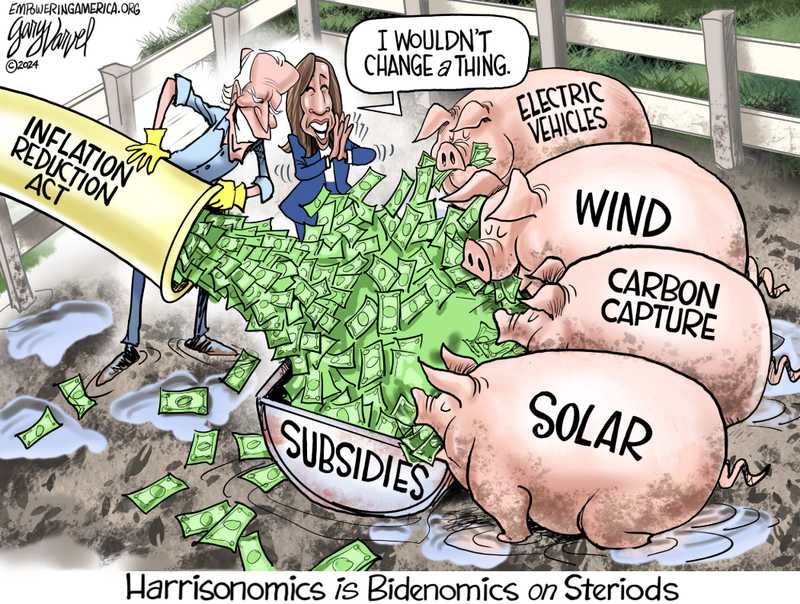
Federal Climate Programs Rolled Back: The new laws have solidified the rollback of key federal climate and clean energy initiatives, including the dismantling of the Inflation Reduction Act’s (IRA) climate provisions, elimination of the Justice40 commitment, and withdrawal from the Paris Agreement. Federal agencies are now required by law to halt or redirect funding away from climate-focused programs and environmental justice initiatives.
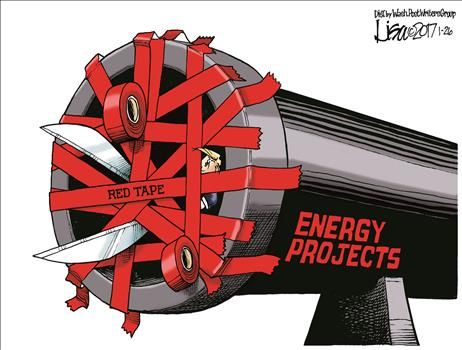
Permitting and Environmental Review Weakened Reformed: The codified laws have overhauled the National Environmental Policy Act (NEPA) process, prioritizing rapid permitting for energy (especially fossil fuel) projects and rescinding previous NEPA regulations. This accelerates approvals for oil, gas, and infrastructure projects, often at the expense of environmental review and public input from decarbonizing activists.
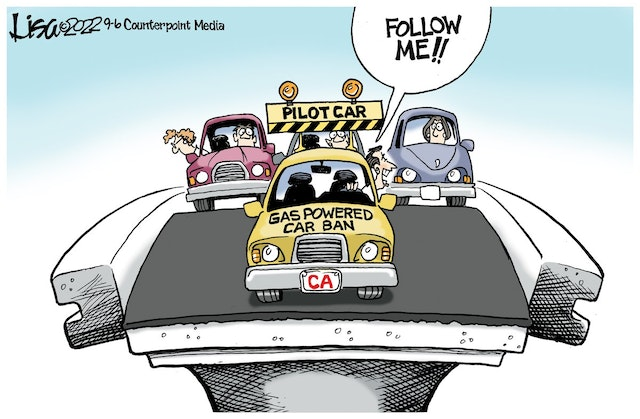
Electric Vehicle and Clean Energy Incentives Cut: The laws have ended or severely restricted federal incentives for electric vehicles (EVs), including tax credits and mandates. California’s authority to set stricter emissions standards has been revoked, and other states cannot enforce more aggressive climate policies than federal standards.
Wind and Solar Tax Credits Limited: Although a last-minute legislative compromise allowed renewable projects a one-year window to claim tax credits, Trump’s executive order—now backed by law—directs the Treasury to sharply restrict eligibility. Only projects with substantial physical progress will qualify, making it harder for wind and solar developers to access these credits and reducing the financial viability of new clean energy projects.
Social Cost of Carbon Eliminated: The laws have abolished the use of the “social cost of greenhouse gases” in federal decision-making. Agencies are directed to ignore or eliminate this metric from permitting and regulatory processes, undermining the rationale for regulating greenhouse gas emissions.
Endangerment Finding Under Review: The EPA is required to review the 2009 Endangerment Finding (the scientific and legal basis for regulating greenhouse gases under the Clean Air Act). If overturned or weakened, this could eliminate the EPA’s authority to regulate carbon emissions from vehicles and industry.
Preemption of State Climate Laws: The Attorney General is now legally empowered to challenge and potentially invalidate state and local climate change laws that are viewed as restricting domestic energy production or conflicting with federal policy. This targets states like California and New York, threatening their ability to set independent climate standards.
International Climate Commitments Withdrawn: The United States has formally withdrawn from the Paris Agreement and ceased all international climate finance, isolating the U.S. from global climate efforts and reducing international pressure for domestic climate action.
These changes, now enshrined in law, represent a comprehensive reversal of previous federal and state climate change policies, prioritizing fossil fuel development and deregulation while sharply curtailing support for clean energy and emissions reduction.
The legal codification makes these policy shifts more durable
and harder for future administrations to quickly reverse.








 Iowa Climate Science Education
