
 Irina Slav explains the shift away from climate virtue in her Oil Price article Corporate World Goes Quiet on Climate Pledges. Excerpts in italics with my bolds and added images.
 Major companies are quietly scaling back climate language in reports, with firms like American Airlines, GM, and Coca-Cola reducing or removing net-zero and emissions-related content.
Profitability and political headwinds are driving the retreat.
Corporate climate messaging is becoming more cautious, with 80% of executives adjusting their transition narratives and half avoiding net-zero talk entirely.
Companies in various industries are removing climate change and net zero language from their reports, the Wall Street Journal reported this month, lamenting the fact that corporates were “watering down” their commitments in the area. It may be temporary—or it may be the natural thing.

Analysis of the proxy statements of a number of large businesses conducted by the WSJ showed that many of them were, it seems, less willing to discuss climate change and their response to it in as much detail as they were a few years ago. The WSJ suggested it was an about-turn prompted by the energy policies of the Trump administration and the axing of the Inflation Reduction Act.
Companies “implicated” in watering down their climate change language included American Airlines, Kroger, American Eagle Outfitters, and e.l.f. Beauty. Their crime was either reducing the amount of text dedicated to climate change and the respective company’s efforts to counter it or entirely removing such text.

The above are not the only ones that have gone rather general on climate change. Coca-Cola only mentions climate and emissions in general terms and briefly in its latest proxy statement. GM also does not go into a lot of detail on its net-zero efforts, and neither does United Airlines.
Yet there are perfectly respectable reasons for this,
even from a climate activist perspective.
Most of these companies produce separate reports regarding climate change and emission reduction because it is the done thing these days. Indeed, one of them told the WSJ as much. “We periodically adjust the copy used in the company’s external messaging and communications,” a spokesperson for American Eagle Outfitters told the publication. “AEO’s commitment to reducing greenhouse-gas emissions remains unchanged.”

Other comments from the mentioned companies follow the same lines: these businesses have already internalized emission-cutting language and action, and no longer feel the need to talk loudly about it.
And, of course, there’s the Trump factor at work.
The current administration axed billions on subsidies for transition-related businesses. As a result, these businesses are suffering a fate even worse than theirs already was because of:
raw material inflation;
higher borrowing costs that had nothing to do with the Trump admin, and, notably,
pullback from investors that realized they had grossly overestimated the speed, at which their investment in net zero would be returned.
Trump’s policies certainly hurt the coolness aspect of net-zero pledges and pronouncements but it was the lack of promised profits that likely played a bigger part and led to companies toning down these pledges and pronouncements.
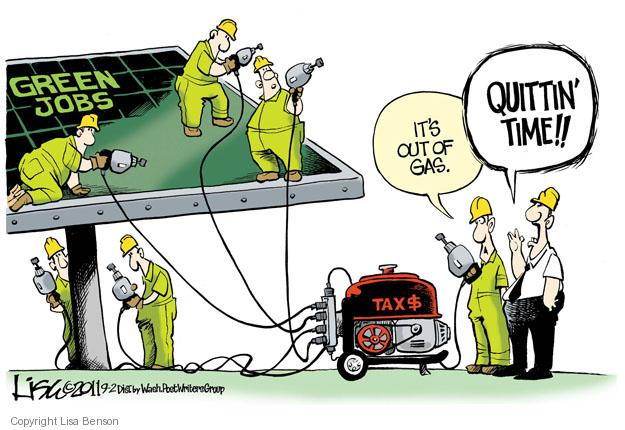
“The whole sector — solar, wind, hydrogen, fuel cells — anything clean is dead for now,” one energy transition-focused hedge fund manager told Bloomberg earlier this year. “The fundamentals are very poor,” Gupta, who manages some $100 million, told Bloomberg, adding, “I’m not talking about long term. I’m talking about where I see weakness right now.” Apparently, the long-term outlook for net zero remains bright, but the short term is more problematic.
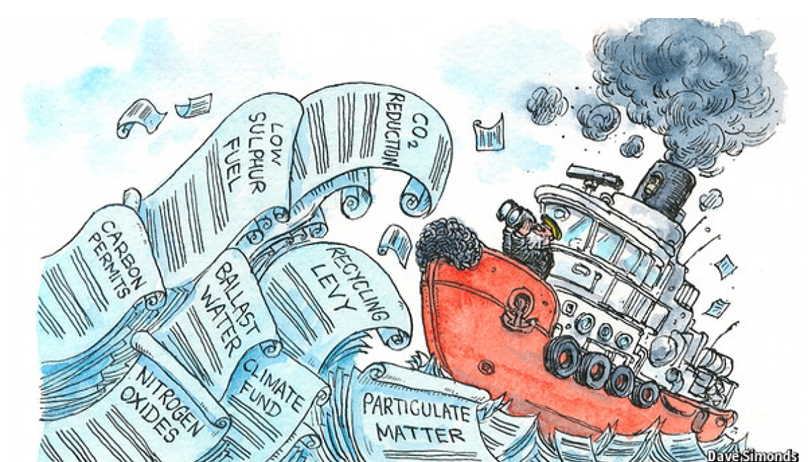
Yet considerable problems abound not just in the industries directly related to the energy transition, such as it is. Even companies in other industries, such as air travel and cosmetics, are finding it difficult to stick to their pledges—at least without losing a lot of money. Tracking and reporting Scope 3 emissions, for instance, requires substantial resources and carries equally substantial costs. After all, it involves tracking the emissions of an entire supply chain from suppliers to consumers. Many corporations are realizing investing the money, time, and effort in this endeavor may not be worth it, especially with a federal government that does not care about any sort of energy transition at all.
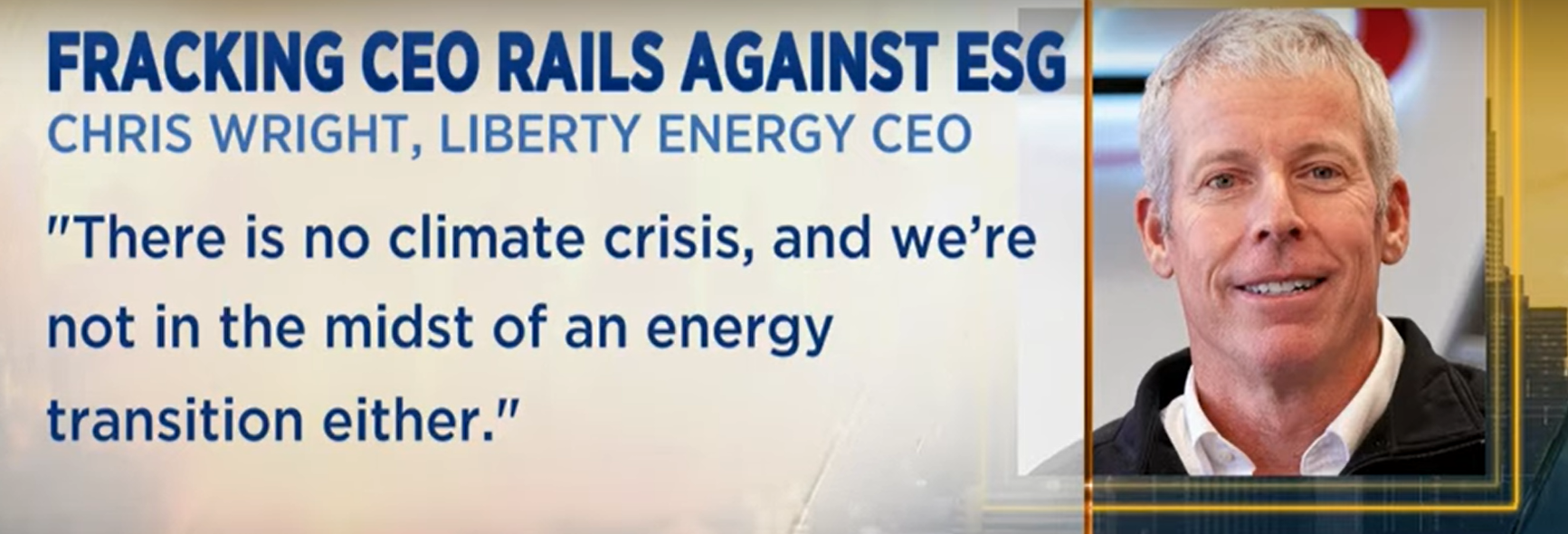
Another thing they are realizing is that, put crudely, emission tracking does not pay—not without a solid subsidy back that is at present absent. It was the Wall Street Journal again that reported how transition-focused startups were folding as Trump axed those subsidies. EV batteries, direct air capture, and even solar power, which was supposed to have become well established, are now suffering the consequences of overhyping. With the benefits that were promised to come from net zero never materializing, unlike costs related to the transition push, could anyone really blame corporate leaderships for removing net-zero language from their reports?

Indeed, a recent survey from the Conference Board that the WSJ cited in its report found that as much as 80% of corporate executives said their companies were “adjusting” their transition narrative—for fear of backlash that has prompted 50% of the respondents to entirely stop talking about net zero. That backlash can hardly be blamed on Trump. It is a natural consequence of the overhyping that never delivered on the promises made. What is happening, then, is a natural process that, one might argue, was even late in coming.
via Science Matters
June 11, 2025 at 01:34PM
 Iowa Climate Science Education