The Washington Post (WaPo) published an article claiming global warming is responsible for increasing rats populations in the world’s major cities. This is false. Rats have always lived among and thrived with human populations. As cities have grown, so have urban rat populations, benefitting from mismanaged waste, ineffective pest control policies, and urban decay, none of which have anything to do with CO₂ levels.
WaPo’s article, “Rats Are Thriving in Cities—And Climate Change Is Helping Them”, blames global warming aka climate change for an increase in rat populations in major cities. Milder winters and warmer temperatures supposedly allow rats to breed more successfully, leading to more infestation.
These claims are emblematic of the type of lazy journalism that has come to define mainstream media’s reporting on environmental issues. Instead of investigating the real causes behind a problem identified by the author, WaPo shoehorns in climate change as an easy, politically useful scapegoat.
The real culprits responsible for the increase in urban rat populations are waste, policy failures, and urban decay – not climate change.
Cities like New York, Chicago, and Los Angeles—often cited as having worsening rat problems—are dealing with fundamental urban failures that have nothing to do with global temperatures.
- Garbage Mismanagement: Rats thrive on available food sources, and city streets are littered with more garbage than ever. Many cities have either cut back on trash collection services or implemented “green” waste policies that unintentionally allow garbage to pile up. New York’s rat population didn’t explode because the planet warmed by a fraction of a degree—it exploded because the city’s population grew and sanitation policies have not kept pace.
- Regulations That Protect Pests: In an effort to be more “humane,” many cities have placed restrictions on rodenticides, making it harder to control rat populations. For example, California has banned certain types of rat poison, leading to an increase in rodent infestations. Again, this has nothing to do with climate but with misguided regulations.
- COVID Lockdowns and Behavioral Changes: The increase in remote work, restaurant closures, and shifts in human activity disrupted food sources for rats, driving them to new areas. The pandemic had a far greater impact on rat behavior than any supposed climate effects, yet this major factor is absent from the WaPo’s narrative.
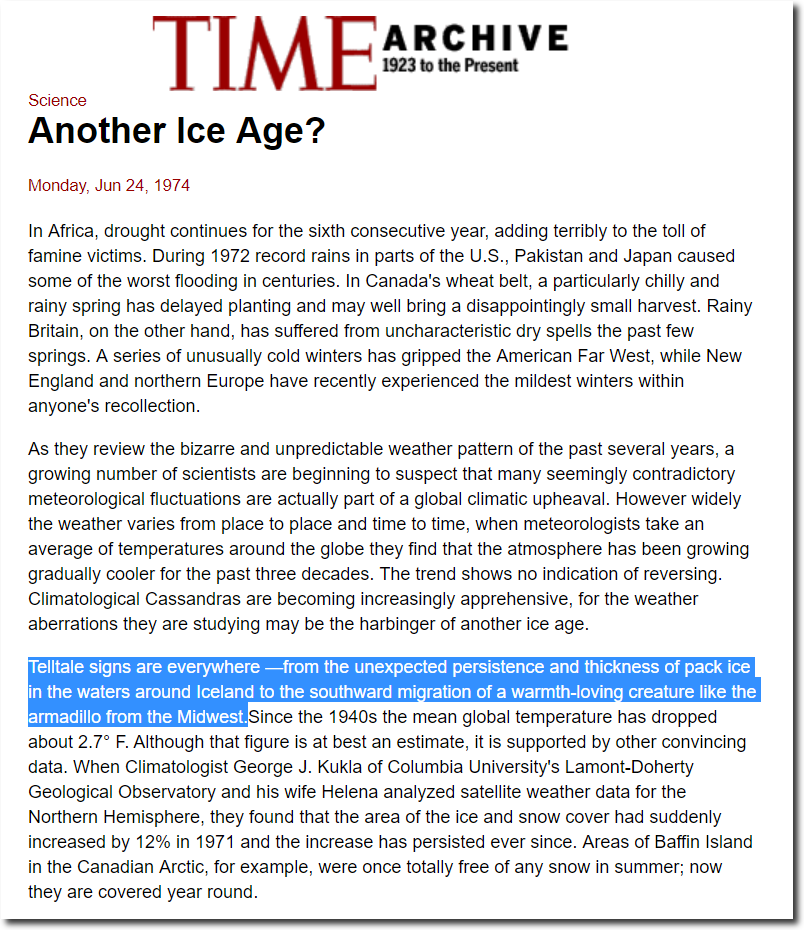
Others have pointed to identifiable real-world factors that have contributed to rat populations expanding. For example, an article at Climate Change Dispatch, titled “Alarmist Study Blames Climate Change for Surge in Rats, Ignores Key Factors,” notes that experts have long recognized that rat populations fluctuate due to food availability and waste management—not temperature shifts. Indeed rats populations flourished across Europe and in China during much cooler periods, for example, as ice packs began growing marking the beginning of the little ice age, with the rats bringing the black plague in their train.
The WaPo article follows a predictable climate alarmism playbook formula: take an existing problem, and substitute climate change in place of the actual causes of the problem. This same template has been applied to nearly every issue and debunked on Climate Realism —crop failures, mental health, housing issues, illegal immigration, and now even rat infestations. By framing everything as a consequence of climate change, the media absolves policymakers of responsibility for their failures. Instead of holding local governments accountable for poor waste management or ineffective pest control, the Post’s article conveniently shifts the blame to CO₂ emissions.
Furthermore, the supposed link between warmer winters and rat populations is questionable at best. Rats have survived and thrived for centuries in a wide range of climates. As pointed out in Rats: Ultimate Survivors,
Believed to have roamed the earth with dinosaurs, rats have outlived several mass extinctions, an ice age, atomic bombs and meteors. Even their 75-million-year-old bite marks live on today in fossilized bones.
Furthermore, the supposed link between warmer winters and rat populations is questionable at best. Rats have survived and thrived for centuries in a wide range of climates. From frigid Moscow to tropical Bangkok, these rodents are highly adaptable. The idea that a slightly warmer winter in Chicago is the determining factor in rat population growth is pure speculation dressed up as science.
This latest attempt to link climate change to urban rat infestations is yet another example of the decline in journalistic integrity at WaPo, sadly a growing problem for the mainstream media in general, especially when reporting on climate change. Rather than investigating the real causes of urban rodent problems — mismanagement, weak policies, and neglect — WaPo chose to push a climate change narrative lacking any basis in fact. This is not just bad reporting; it is deliberate misdirection. The public deserves better than climate hysteria masquerading as news.
Anthony Watts
Anthony Watts is a senior fellow for environment and climate at The Heartland Institute. Watts has been in the weather business both in front of, and behind the camera as an on-air television meteorologist since 1978, and currently does daily radio forecasts. He has created weather graphics presentation systems for television, specialized weather instrumentation, as well as co-authored peer-reviewed papers on climate issues. He operates the most viewed website in the world on climate, the award-winning website wattsupwiththat.com.
Originally posted at ClimateRealism
Discover more from Watts Up With That?
Subscribe to get the latest posts sent to your email.