Month: June 2018

Still No Wind Power: UK Wind Drought Is Driving Up Energy Prices

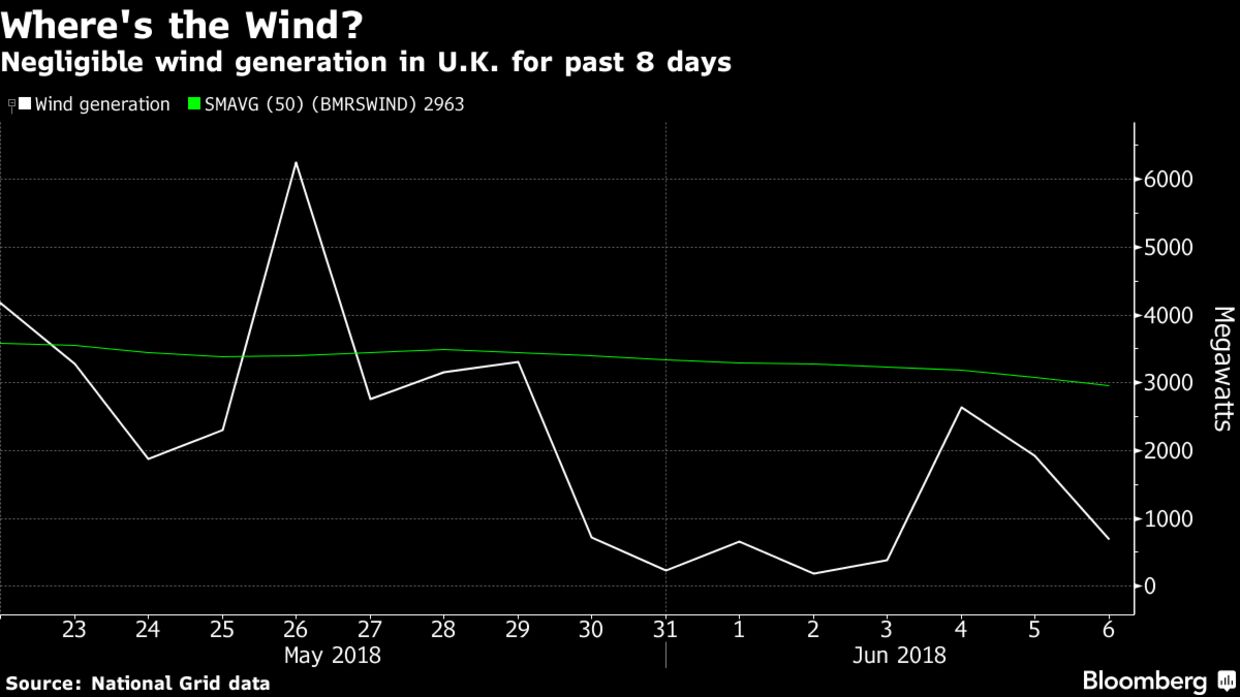
Britain’s gone nine days with almost no wind generation, and forecasts show the calm conditions persisting for another two weeks.

The wind drought has pushed up day-ahead power prices to the highest level for the time of year for at least a decade. Apart from a surge expected around June 14, wind levels are forecast to stay low for the next fortnight, according to The Weather Company.

U.K. turbines can produce about as much power as 12 nuclear reactors when conditions are right. During the “Beast from the East” storm that hit Britain in March, they generated record levels of power and at times provided the biggest share of the nation’s electricity.

Low wind power isn’t a threat to supplies in June when demand is low. On a dull, dark day in winter when heating demand peaks, a calm day might leave the U.K. grid vulnerable.

“People would’ve started worrying about brownouts,” Elchin Mammadov, analyst at Bloomberg Intelligence said. “This shows that relying on wind, solar and batteries to supply the majority of our power is reckless for energy security.”

Full story

via The Global Warming Policy Forum (GWPF)

https://ift.tt/2xRJNau

June 7, 2018 at 10:16AM

Overheated Ocean Update

More than 97% of textile experts say the Emperor is dressed in fine new clothing

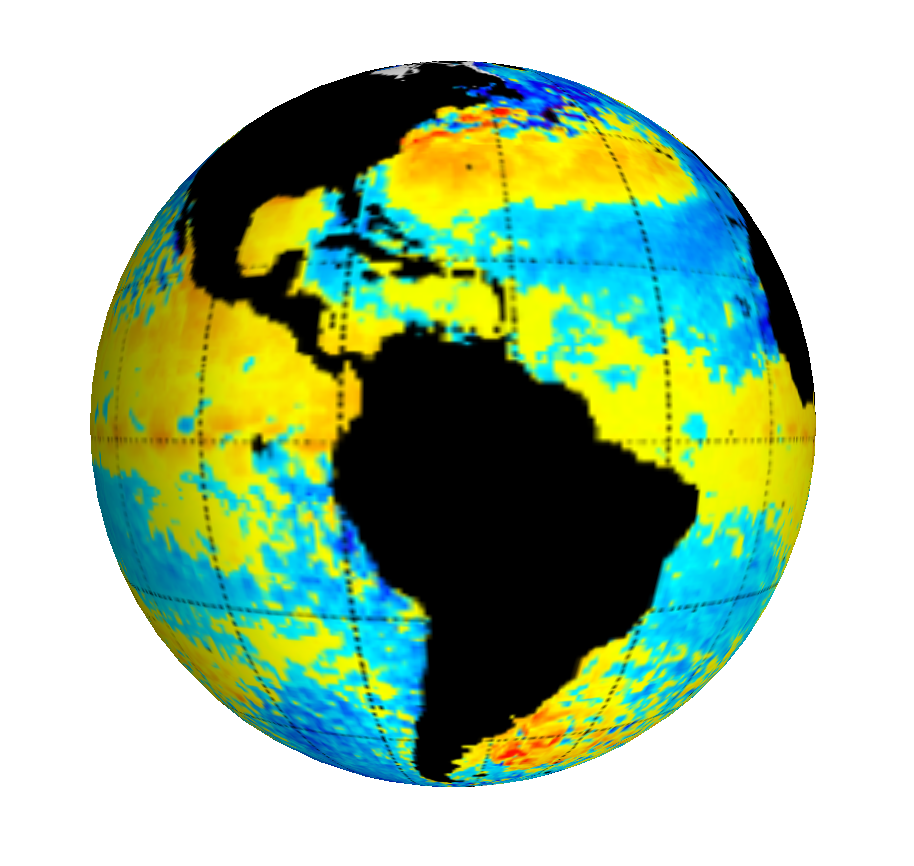
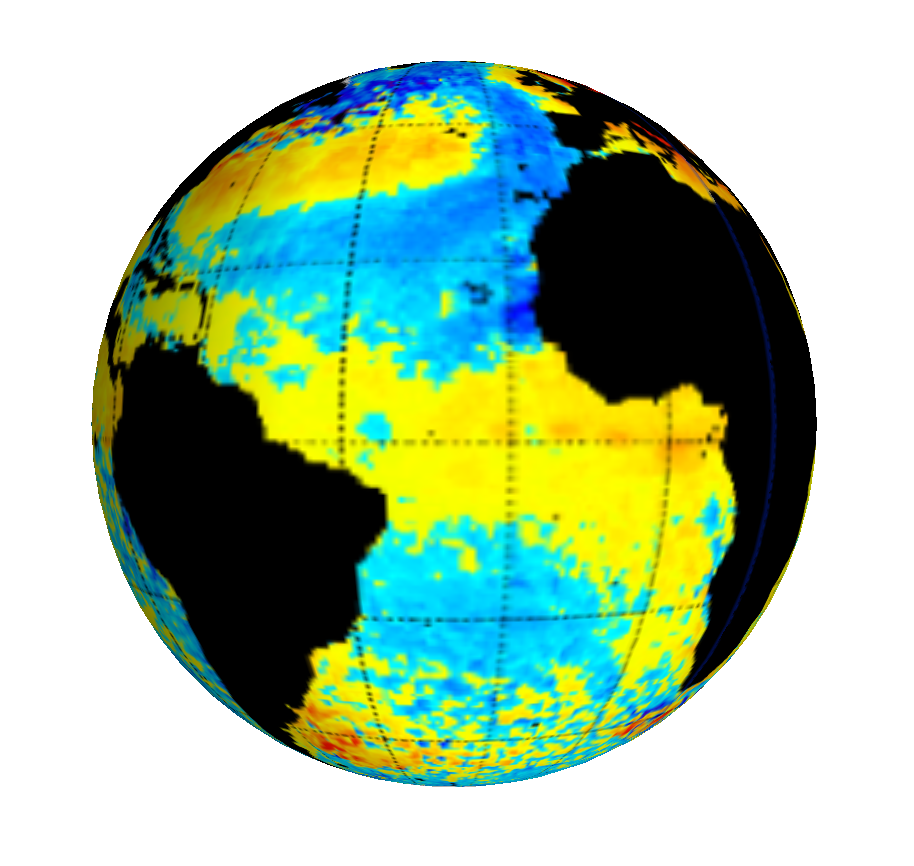
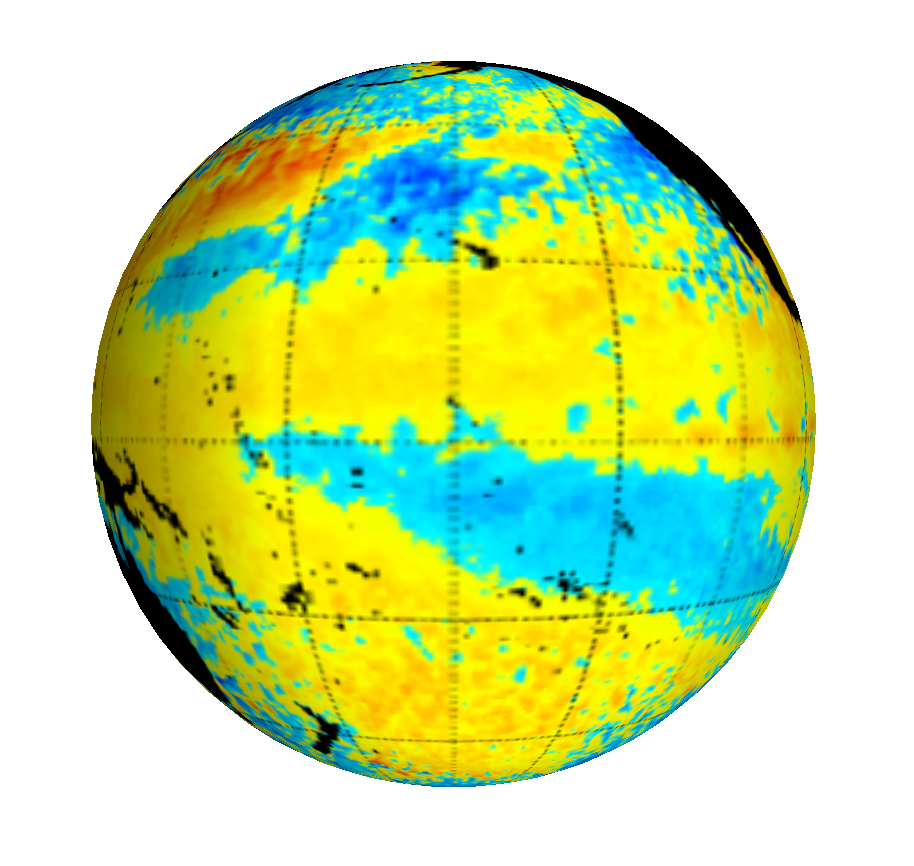
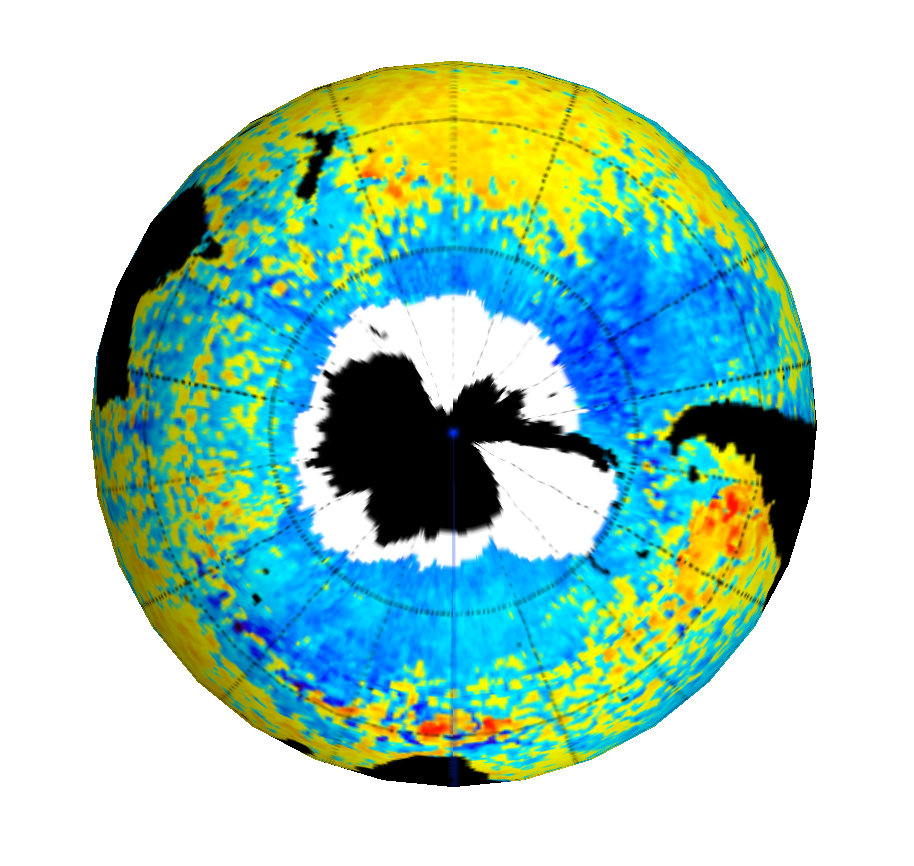
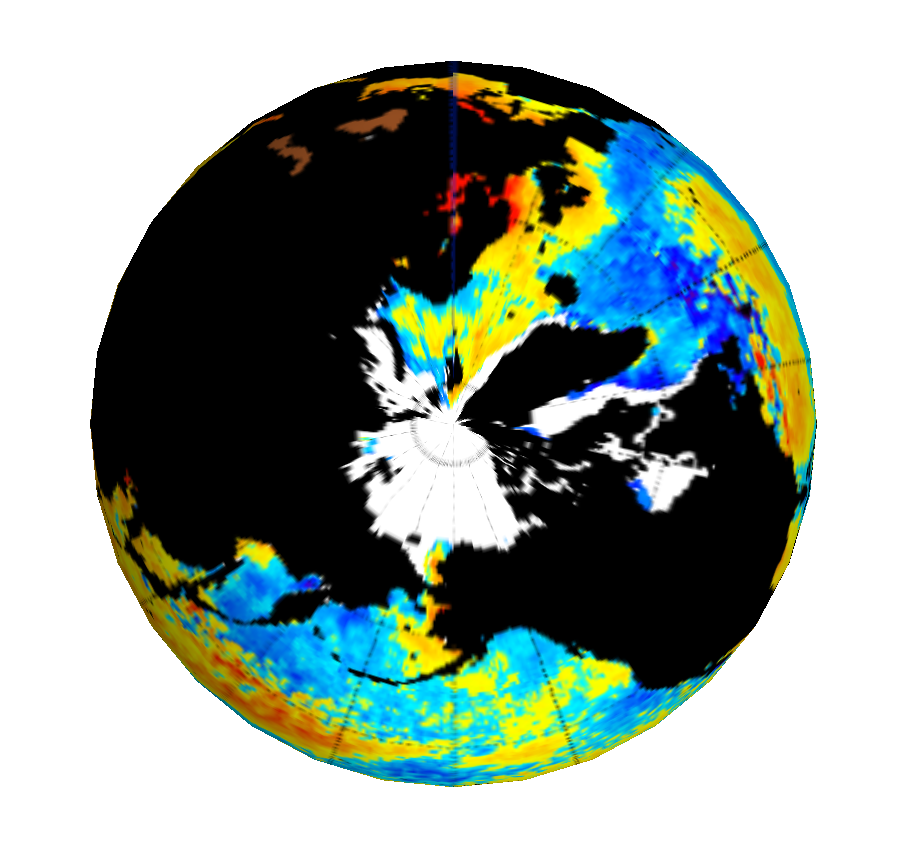
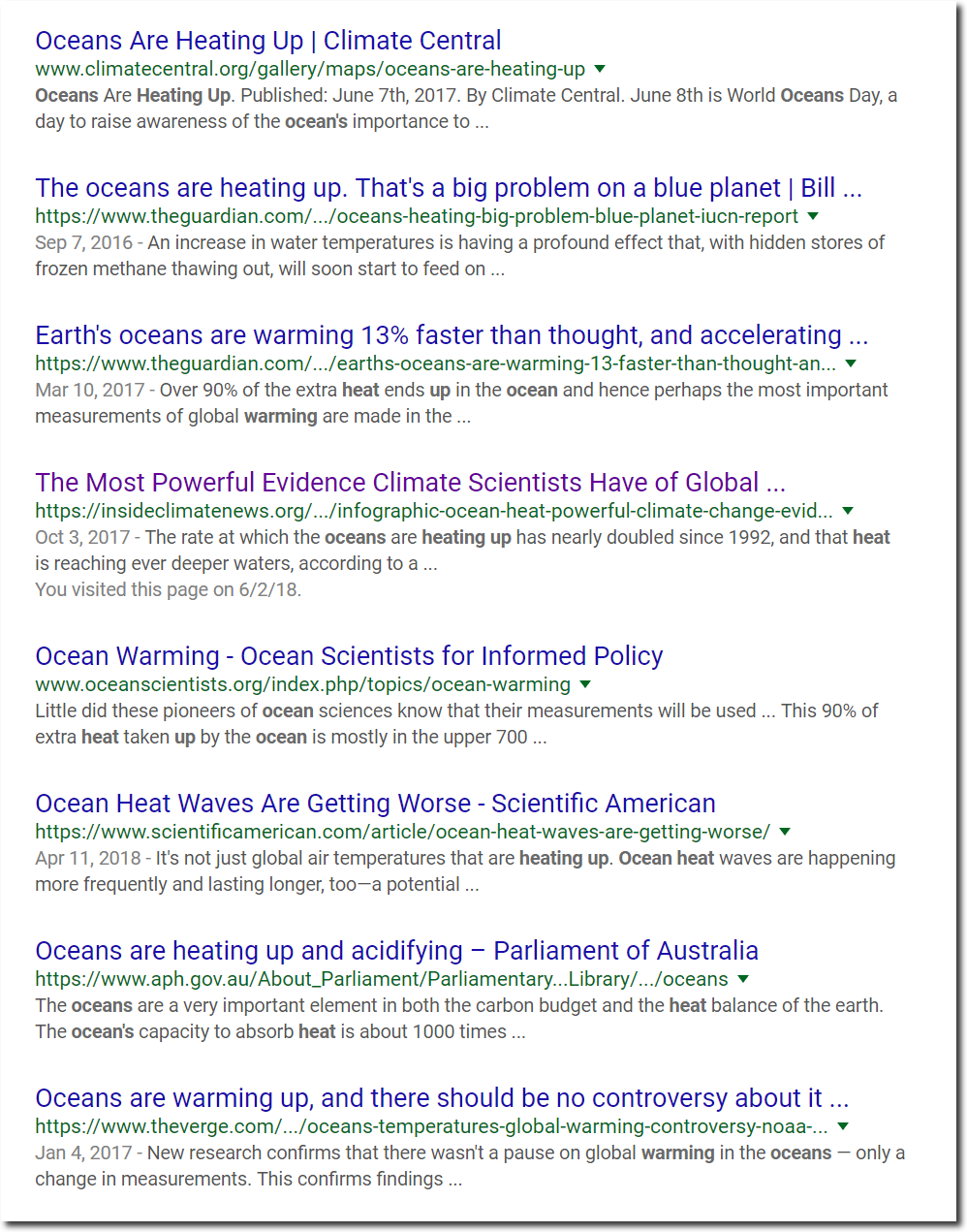
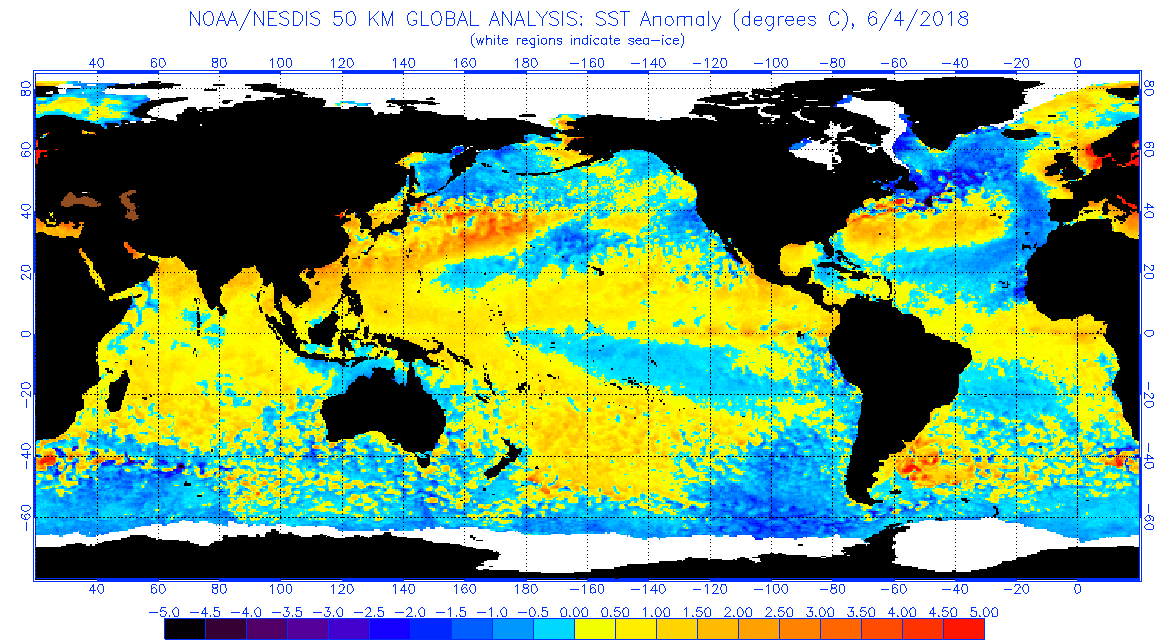
With about half of the oceans running below normal sea surface temperatures and cooling fast, climate experts tell us the oceans are overheating.

anomnight.6.4.2018.gif (1174×640)

The important thing to remember is that if government says it is true, it must be true – and you aren’t allowed to question it.

via The Deplorable Climate Science Blog

https://ift.tt/2M7kJPR

June 7, 2018 at 09:27AM

Scientists Find Sun-Driven Temperature Changes Led CO2 Changes By 1300-6500 Years In The Ancient Past

It has long been established in the scientific literature (and affirmed by the IPCC) that CO2 concentration changes followed Antarctic temperature changes by about 600 to 1000 years during glacial-interglacial transitions throughout the last ~800,000 years (Fischer et al., 1999Monnin et al., 2001Caillon et al., 2003Stott et al., 2007Kawamura et al., 2007).

In contrast, two new papers cite evidence that the timing of the lagged CO2 response to temperature changes may have ranged between 1300 and 6500 years in some cases.  It would appear that a millennial-scale lagged response to temperature undermines the claim that CO2 concentration changes were a driver of climate in the ancient past.  


Koutavas et al., 2018

Temperature correlations between the eastern equatorial

Pacific and Antarctica over the past 230,000 years

“The EEP [eastern equatorial Pacific] stack shows persistent covariation with Antarctic temperature on orbital and millennial timescales indicating tight coupling between the two regions. This coupling however cannot be explained solely by CO2 forcing because in at least one important case, the Marine Isotope Stage (MIS) 5e–5d glacial inception, both regions cooled 5–6.5 thousand years before CO2 decreased. More likely, their covariation was due to advection of Antarctic climate signals to the EEP by the ocean.”
The discovery that atmospheric CO2 covaries with Antarctic temperature and global ice volume (Lorius et al., 1990; Lüthi et al., 2008; Petit et al., 1999) has propelled CO2 to the forefront as climatic “globalizer”.  However, the processes governing CO2 variability are themselves poorly understood, and likely require an oceanic/climatic trigger in the first place (Adkins, 2013; Ferrari et al., 2014; Sigman et al., 2010).”
“Antarctic ice core records are furthermore ambiguous with regard to the causal relationship between CO2 and temperature. Phase relationships show CO2 lagging behind temperature in the obliquity band (Jouzel et al., 2007) and across some major transitions (Caillon et al., 2003; Fischer et al., 1999; Kawamura et al., 2007; WAIS Divide Project Members, 2013), most prominently during the Marine Isotope Stage (MIS) 5e–5d boundary, i.e. the last glacial inception. Antarctic cooling at this time was associated with a major Milankovitch signal, and appears to have transpired almost entirely before the change in CO2 concentration. It remains unclear whether the temperature lead was restricted to Antarctica or was broader.”

Uemura et al., 2018

Asynchrony between Antarctic temperature and CO2

associated with obliquity over the past 720,000 years

“Precise knowledge of the relationship between changes in temperature, atmospheric CO2 and solar insolation is essential to understanding Earth’s climate system. The values of a temperature proxy, the hydrogen isotopic composition (δD), in the Antarctic EDC ice core have varied in parallel with CO2 concentrations over the past 800 thousand years (kyr; r2 = 0.82). However, δD [temperature] apparently leads CO2 variations.”
The lead is ca. 2000 years at a West Antarctic site.”
Over the past 420 kyr, the Vostok ice core shows that the Antarctic δD temperatures lead the CO2 variations by 1.3 ± 1.0 kyr.”
During the lukewarm interglacials (430–650 kyr BP), Antarctic δD [temperature] leads CO2 by 1900 years, and the correlation between CO2 and δD is weaker (r2 = 0.57), as determined from the EDC core.”
“Although the mechanisms underlying the coupling and the phase lags remain unclear, the Southern Ocean region, rather than Antarctica, is thought to play the central role in regulating CO2 variations. A box model, for example, estimated a ca. 60% increase in CO2 during TI that is attributable to direct and indirect temperature effects, such as changes in sea ice cover and vertical mixing in the Southern Ocean. On millennial time scales, a multi-proxy study suggests that an antiphased hemispheric temperature response to ocean circulation changes resulted in Antarctic temperatures leading global temperatures and CO2 during TI [the last glacial termination].  … [O]ur data suggest that the lead in Antarctic δD temperatures (i.e. temperature without correcting for source effects) over CO2 is partly attributable to the effects of the moisture source on δD temperatures over the past 720 kyr in the obliquity band. These results suggest that the importance of moisture source effects for the obliquity signal in δD. Thus, the source effect must be considered in future research about the relationship between Antarctic temperatures and CO2.”
Within the obliquity frequency band, our analyses suggest that temperature variations in Antarctica have led ocean temperatures throughout the past 720 kyr. This phenomenon is most likely explained by the strong influence of local AMI on ΔT. … During TI [the last glacial termination], CO2 rose at ~18 kyr BP, which is related to the melting of the Northern Hemisphere ice sheet and the subsequent weakening of the Atlantic meridional overturning circulation (AMOC). Thus, the timing at which CO2 begins to rise during a termination would be determined by when the Northern Hemisphere ice sheet begins to melt. When eccentricity is small, the summer insolation maxima are small. Thus, if obliquity rises beyond the threshold of melting, a moderate climate forcing could cause warming enough that the southern margin of the North American ice sheet begin to retreat.”

Studies Indicating The Temperature-CO2 Lag Was 600 To 1000 Years


IPCC (2007)

“Atmospheric CO2 follows temperature changes in Antarctica with a lag of some hundreds of years.”

Stott et al., 2007

Southern Hemisphere and Deep-Sea Warming Led Deglacial Atmospheric CO2 Rise and Tropical Warming
“Deep sea temperatures warmed by ~2C between 19 and 17 ka B.P. (thousand years before present), leading the rise in atmospheric CO2 and tropical surface ocean warming by ~1000 years.”

Caillon et al., 2003

“The sequence of events during Termination III suggests that the CO2 increase lagged Antarctic deglacial warming by 800 ± 200 years and preceded the Northern Hemisphere deglaciation.”

Fischer et al., 1999

“High-resolution records from Antarctic ice cores show that carbon dioxide concentrations increased by 80 to 100 parts per million by volume 600 ± 400 years after the warming of the last three deglaciations.”

Monnin et al., 2001

The start of the CO2 increase thus lagged the start of the [temperature] increase by 800 ± 600 years.”

Indermuhle  et al., 2000

“The lag was calculated for which the correlation coefficient of the CO2 record and the corresponding temperatures values reached a maximum. The simulation yields a [CO2] lag of (1200 ± 700) yr.”

Kawamura et al., 2007    

“Our chronology also indirectly gives the timing of the CO2 rise at [glacial] terminations, which occurs within 1 kyr of the increase in Antarctic temperature.”

via NoTricksZone

https://ift.tt/2HqQG23

June 7, 2018 at 08:49AM

Global temperature continues to drop from El Nino induced high

Global temperature continues to drop from El Nino induced high

From Dr. Roy Spencer:

UAH Global Temperature Update for May, 2018: +0.18 deg. C

Global area-averaged lower tropospheric temperature anomalies (departures from 30-year calendar monthly means, 1981-2010). The 13-month centered average is meant to give an indication of the lower frequency variations in the data; the choice of 13 months is somewhat arbitrary… an odd number of months allows centered plotting on months with no time lag between the two plotted time series. The inclusion of two of the same calendar months on the ends of the 13 month averaging period causes no issues with interpretation because the seasonal temperature cycle has been removed, and so has the distinction between calendar months.

The Version 6.0 global average lower tropospheric temperature (LT) anomaly for May, 2018 was +0.18 deg. C, down a little from the April value of +0.21 deg. C:

Some regional LT departures from the 30-year (1981-2010) average for the last 17 months are:

YEAR MO GLOBE NHEM. SHEM. TROPIC USA48 ARCTIC AUST
2017 01 +0.33 +0.31 +0.34 +0.10 +0.27 +0.95 +1.22
2017 02 +0.38 +0.57 +0.20 +0.08 +2.16 +1.33 +0.21
2017 03 +0.23 +0.36 +0.09 +0.06 +1.21 +1.24 +0.98
2017 04 +0.27 +0.29 +0.26 +0.21 +0.89 +0.22 +0.40
2017 05 +0.44 +0.39 +0.49 +0.41 +0.10 +0.21 +0.06
2017 06 +0.22 +0.33 +0.10 +0.39 +0.50 +0.10 +0.34
2017 07 +0.29 +0.30 +0.27 +0.51 +0.60 -0.27 +1.03
2017 08 +0.41 +0.40 +0.42 +0.46 -0.55 +0.49 +0.77
2017 09 +0.54 +0.51 +0.57 +0.54 +0.29 +1.06 +0.60
2017 10 +0.63 +0.67 +0.59 +0.47 +1.21 +0.83 +0.86
2017 11 +0.36 +0.33 +0.38 +0.27 +1.35 +0.68 -0.12
2017 12 +0.41 +0.50 +0.33 +0.26 +0.44 +1.37 +0.36
2018 01 +0.26 +0.46 +0.06 -0.11 +0.58 +1.36 +0.42
2018 02 +0.20 +0.24 +0.16 +0.03 +0.92 +1.19 +0.18
2018 03 +0.25 +0.40 +0.10 +0.06 -0.32 -0.33 +0.59
2018 04 +0.21 +0.31 +0.10 -0.13 -0.01 +1.02 +0.68
2018 05 +0.18 +0.40 -0.05 +0.03 +1.93 +0.18 -0.40

The linear temperature trend of the global average lower tropospheric temperature anomalies from January 1979 through May 2018 remains at +0.13 C/decade.

The UAH LT global anomaly image for May, 2018 should be available in the next few days here.

The new Version 6 files should also be updated in the coming days, and are located here:

Lower Troposphere: http://vortex.nsstc.uah.edu/data/msu/v6.0/tlt/uahncdc_lt_6.0.txt
Mid-Troposphere:http://vortex.nsstc.uah.edu/data/msu/v6.0/tmt/uahncdc_mt_6.0.txt
Tropopause:http://vortex.nsstc.uah.edu/data/msu/v6.0/ttp/uahncdc_tp_6.0.txt
Lower Stratosphere: http://vortex.nsstc.uah.edu/data/msu/v6.0/tls/uahncdc_ls_6.0.txt

via Watts Up With That?

https://ift.tt/2HtAOvn

June 7, 2018 at 07:31AM