



via The Deplorable Climate Science Blog
June 19, 2018 at 09:28AM
Yesterday, Dr. Roger Pielke Jr. responded to Seth Borenstein’s Tweet about his article in the Associated Press on the upcoming 30 year anniversary of Dr. James Hansen’s Climate Predictions from 1988. Borensteins title was: ”
Warned 30 years ago, global warming ‘is in our living room’
Thirty years later, it’s clear that Hansen and other doomsayers were right. But the change has been so sweeping that it is easy to lose sight of effects large and small — some obvious, others less conspicuous.
Pielkes retort: “…how climate change is making us dumb”. Here is the series from Pielke’s Twitter feed:


Pielke’s paper: https://journals.ametsoc.org/doi/abs/10.1175/BAMS-D-17-0184.1
Pielke adds:
Via @RyanMaue some good data on global TCs, based on peer reviewed science, consistent with IPCC.👍
From 1988-2017:
✅global tropical cyclones of tropical storm strength
✅global tropical cyclones Category 3+
✅global tropical cyclones Category 4+ pic.twitter.com/w1RRUxL0CE— Roger Pielke Jr. (@RogerPielkeJr) June 18, 2018
Today, Seth Borenstein is likely to have another episode of “dumb and dumber”, stay tuned.
via Watts Up With That?
June 19, 2018 at 09:06AM
The FDA finally banned trans fats in processed foods yesterday. Here is my original 1999 takedown of the junk science behind the trans fat scare.
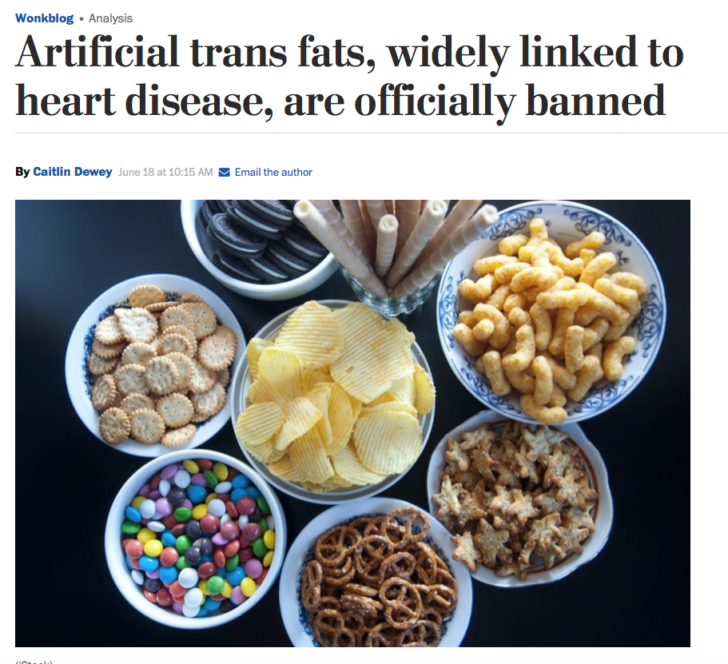
Fear of Margarine — The Trans Fat Myth
By Steve Milloy
November 29, 1999, JunkScience.com
(Note: The many links in this article are no longer active but have been left in for historical purposes.)
The Food and Drug Administration recently proposed (FDA proposal home page | Federal Register notice) to amend its regulations on nutrition labeling to require the amount of trans fatty acids in foods be included in Nutrition Facts panels. But the science behind this move is suspect.
A recent editorial in the New England Journal of Medicine reviewed the epidemiolgic evidence linking trans fatty acids to heart disease. The editorial concludes “Metabolic and epidemiologic studies indicate and adverse effect of trans fatty acids on the risk of coronary heart disease.” Below (in italics) is what the editorial says about the epidemiology studies — the studies that should validate the theories developed from the metabolic studies. My comments are in bold. Decide for yourself whether trans fats are guilty as charged.
This small study (only 239 patients from the Boston area) did not consider non-dietary risk factors for heart disease other than age and sex. Astonishingly, smoking, exercise level, health history, family health history and alcohol consumption were not considered as confounding risk factors.
The results from this study were weak statistical associations that were not statistically significant — meaning the probability was unacceptably high the barely detectable associations could have occurred by chance. Even the study authors conclude,”The results, therefore, do not support a major effect of dietary trans fatty acid…”
No comment necessary.
The result spotlighted is so misleading as to constitute scientific misconduct. The relative risk of 1.36 is a raw result, without any adjustment for other heart disease risk factors. When other risk factors are adjusted for — including age, body mass index, smoking habits, alcohol consumption, physical activity, history of hypertension or high blood cholesterol, family history of myocardial infarction before age 60, profession, and fibre intake — the weak relative risk is substantially reduced (by more than 50 percent) and becomes statistically insignificant.
The spotlighted result is a weak association that is not statistically significant. This study consisted of 21,930 male smokers. Can you really study dietary factors for heart disease in a population where the basic lifestyle (i.e., smoking and its attendant unhealthy tendencies) is a risk factor for heart disease?
This is my favorite study of the bunch. Check out its results.
This study basically reports that all we’ve been told about the association between fat consumption and heart disease is not supported by data collected from 90,000 nurses over a period of 20 years. So either the study data is wrong or the public health establishment has been wrong about fat consumption being associated with heart disease risk. If the study data is wrong, then I doubt the trans fat result. If the public health establishment is wrong then why should we believe it about trans fat when it has been generally wrong about fat consumption for the last two or three decades?
That’s the epidemiology supposedly supporting the proposition that trans fats are so much of a risk for heart disease they need to be labelled. Are you convinced yet?
But there’s more. Check out the authors of the studies discussed above. See if you notice anything unusual (like the underlined names).
ALL THE STUDIES supposedly showing trans fats are associated with heart disease risk involved Alberto Ascherio and Walter Willett.
You may also be interested in knowing who authored the editorial: Alberto Ascherio, Martijn B. Katan, Peter L. Zock, Meir J. Stampfer,and Walter C. Willett.
Should the FDA be taking action because of a duet of scientists whose results are so thin? Has the FDA ever heard of the scientific method and its requirement for independent replication of scientific results?
via JunkScience.com
June 19, 2018 at 08:00AM
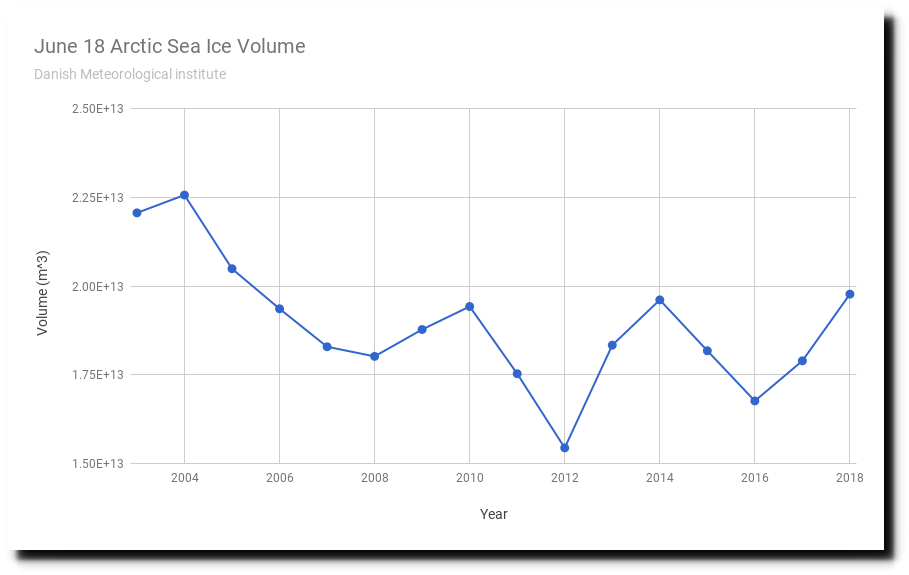
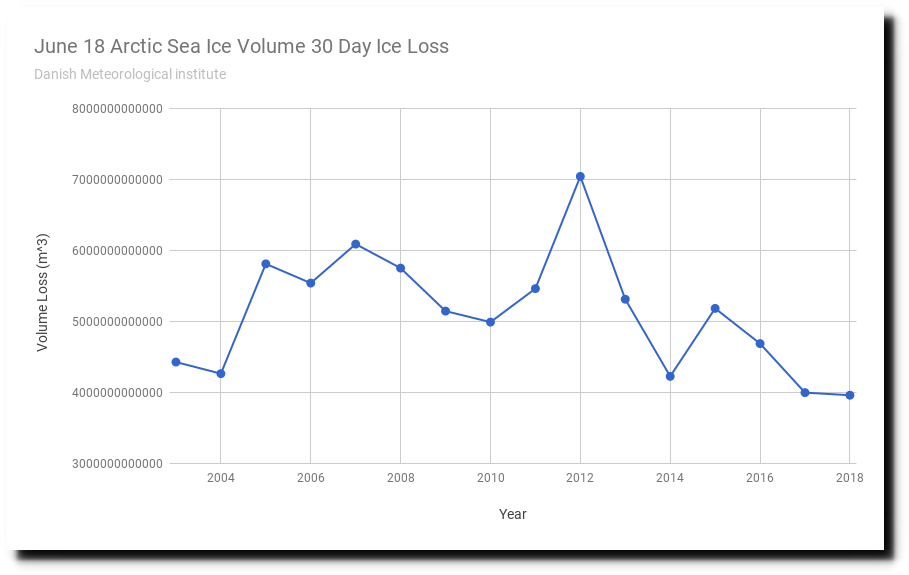
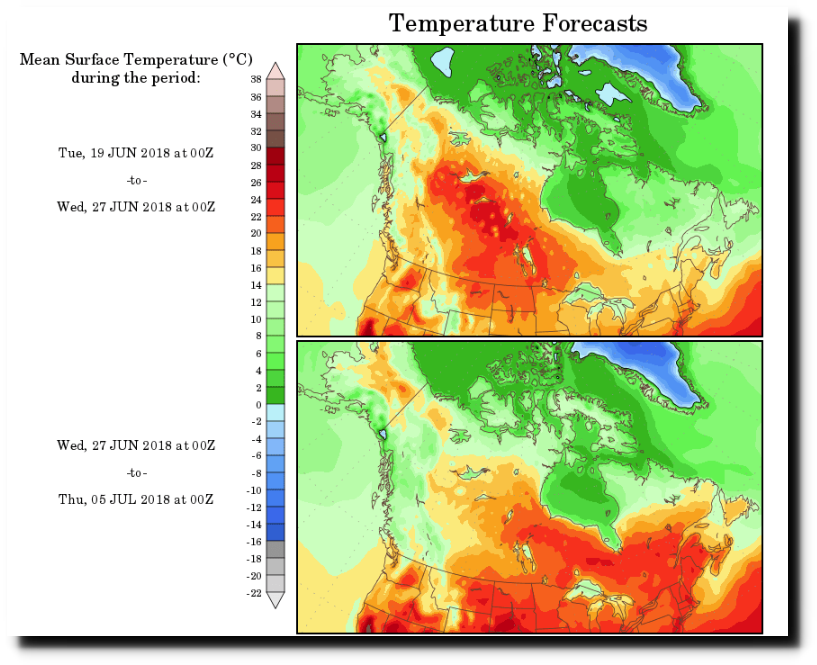
Arctic sea ice volume continues as the highest in 13 years, and is melting the slowest on record. With cold weather forecast past July 4th, the odds of a big melt this year are close to zero.
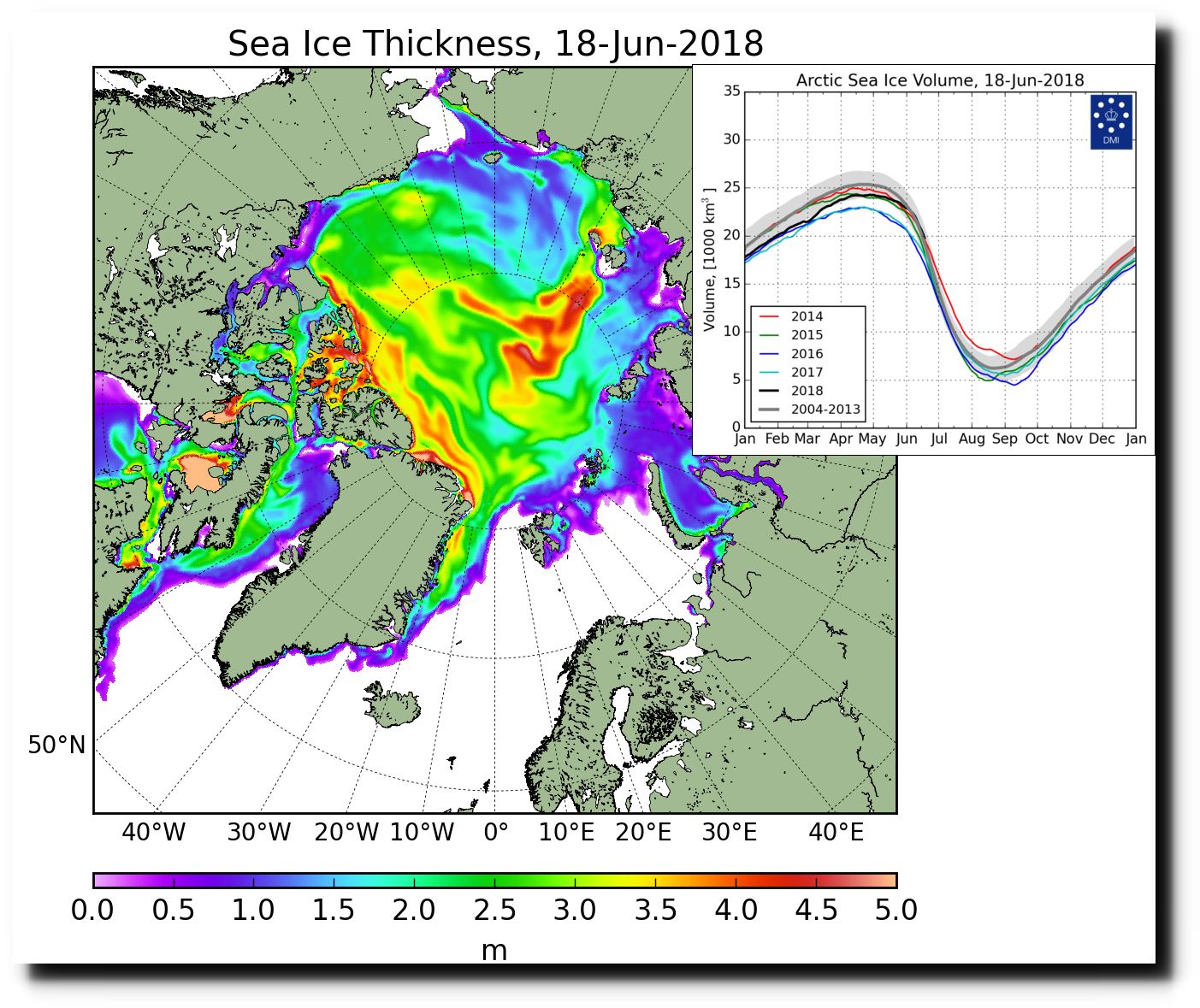
FullSize_CICE_combine_thick_SM_EN_20180618.png (1337×1113)
With their Arctic scam falling apart, climate alarmists have returned to their Antarctic scam – claiming that Antarctica is melting in the middle of the Antarctic winter.
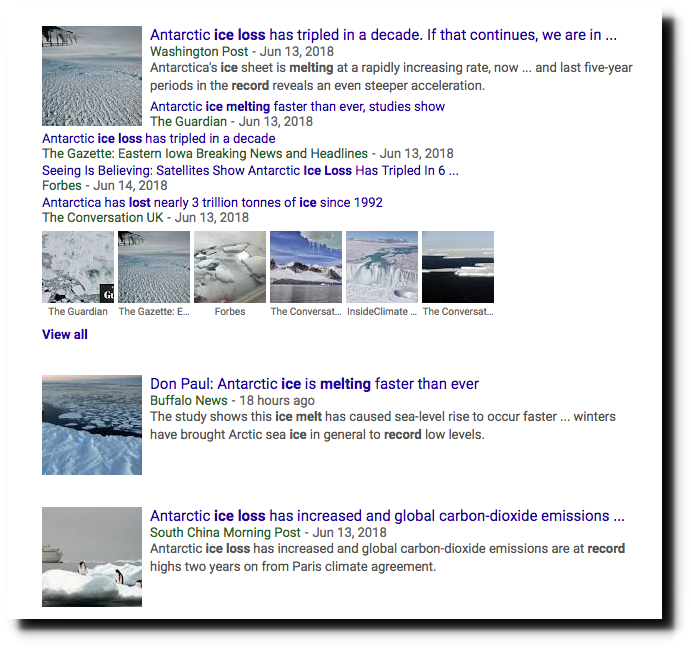
Climate alarmism is the most pathetic clown show on earth.
via The Deplorable Climate Science Blog
June 19, 2018 at 07:58AM
 Iowa Climate Science Education

