
Live video broadcast by TV networks in 1969 was not full resolution – it was a copy done by a camera pointed at a NASA TV monitor. This video is the original at full resolution.
Back on July 20th, 1969, blurry, grainy images of Neil Armstrong coming down the ladder of the LEM were broadcast worldwide to a huge audience. People marveled that we could get the live video at all, only a handfull of people knew that they were looking at a copy of live video.
The reason is that the way NASA sent video back from the moon also included data and telemetry embedding in the same signal. After all, the LEM only had one antenna for this purpose and the radio transmitter had to do double duty in sending both video and telemetry back at the same time. It also meant they could send video at 30 frames per second live normal TV of the day. They had to sacrifice frame rate for data.
This creating an incompatibility between the specialized equipment NASA was using to view the video, and the standard RS-170 B&W analog video signal TV networks used. and there was no way to connect the video from NASA to the TV networks directly. Frame syncs and digital video data converters that we take for granted today didn’t exist yet.
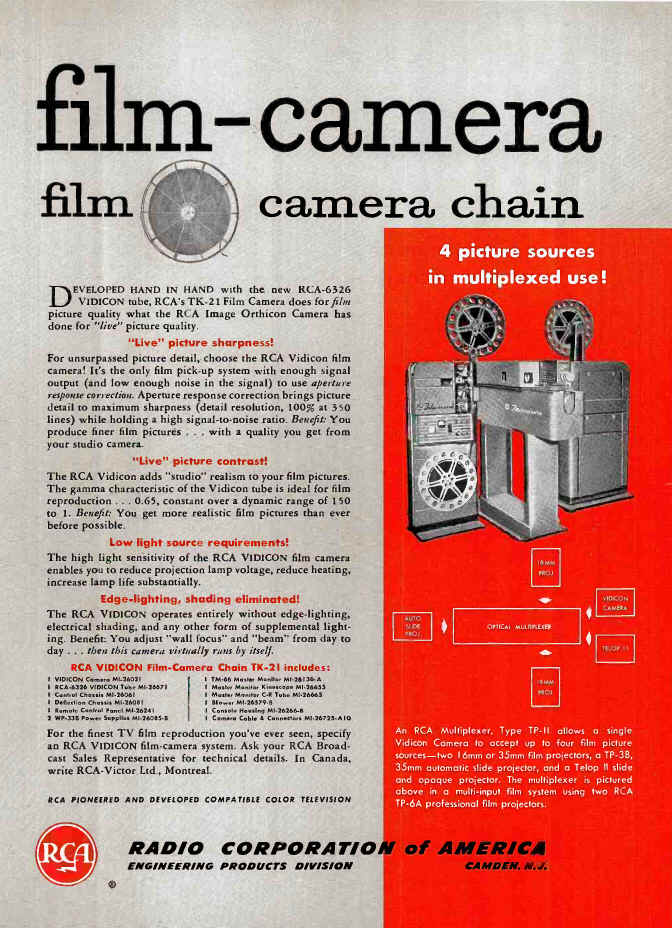
So, something had to be done in order to get the live moonwalk video to the world, and the solution was borrowed from some technology of the time called a “film chain” which was basically a big box that would take 16mm and 35mm film from movies, and allow it to be broadcast on TV. It basically was a TV camera pointed at a small projection screen for the film.
Here’s an example:

Source: https://www.smecc.org/rca-pics/rca_tk13.jpg
While there was no “film” coming back from the moon live, the problem was essentially the same; how do you convert an incompatible visual media to another form?
The answer was pretty simple: point a standard TV camera at the specialized NASA TV monitor, and send the video out to the TV networks. That’s exactly what they did.
While it worked, the downside was that we were all watching what amounted to “2nd and 3rd generation video” by the time it got to our living room TV’s. This made the video fuzzy and grainy.
But, the original recording have been converted to digital format now, and we can watch the best quality video available of the moonwalk in this restored video below.
While the video quality still isn’t anything like what we are used to today, it represents the best it will ever be.
Compare these two panels below. The “what we saw” was taken from the CBS News video recording.

Thanks to the thousands of people that made this event possible in the first place.
via Watts Up With That?
July 20, 2019 at 12:50PM
 Iowa Climate Science Education
Reblogged this on Climate- Science.
LikeLike