Month: February 2020

The Low CO2 Climate Of 1884

The Low CO2 Climate Of 1884

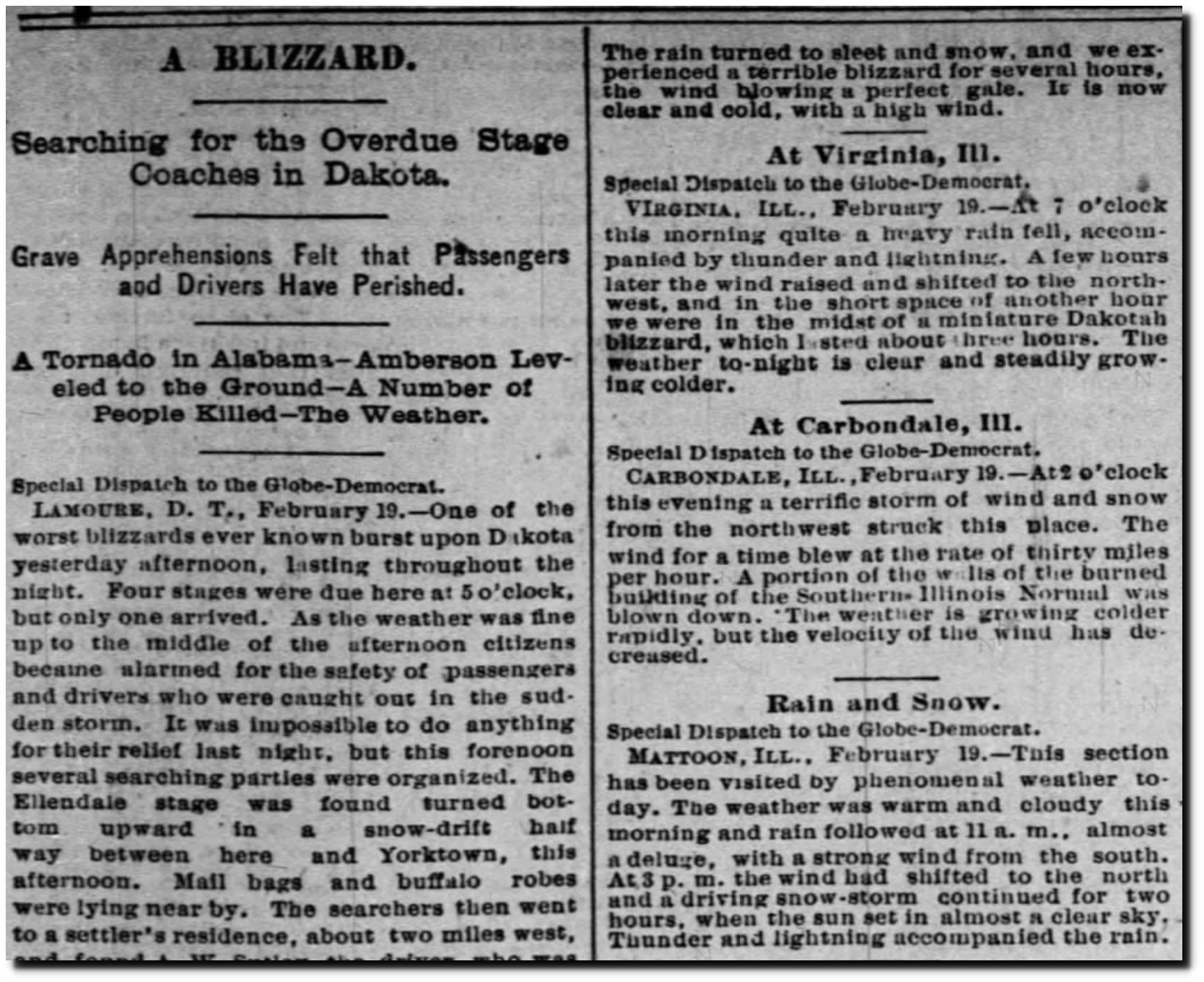
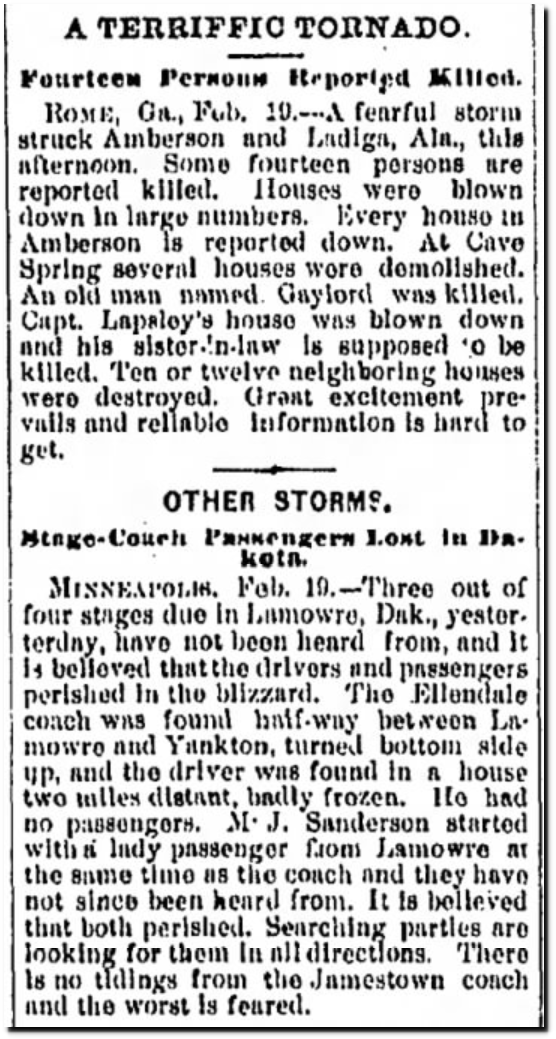
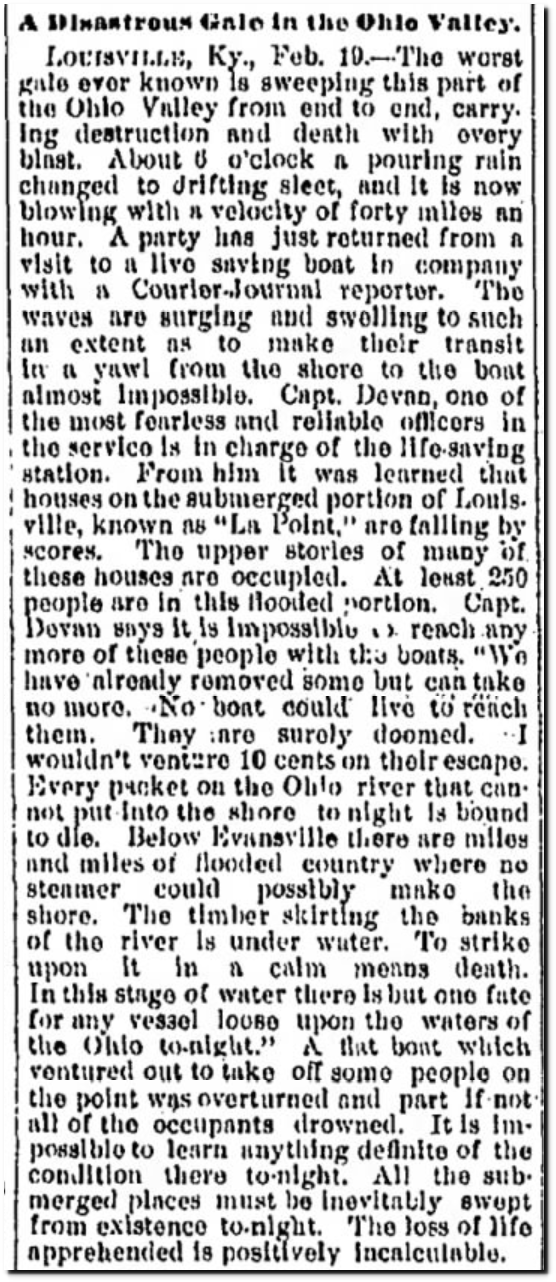
This week in 1884, one of the worst tornado outbreaks, snowstorms and floods on record hit the US. There was flooding from Southern California to the Ohio Valley, and tornadoes from Illinois to Alabama and Texas.

Enigma tornado outbreak – Wikipedia
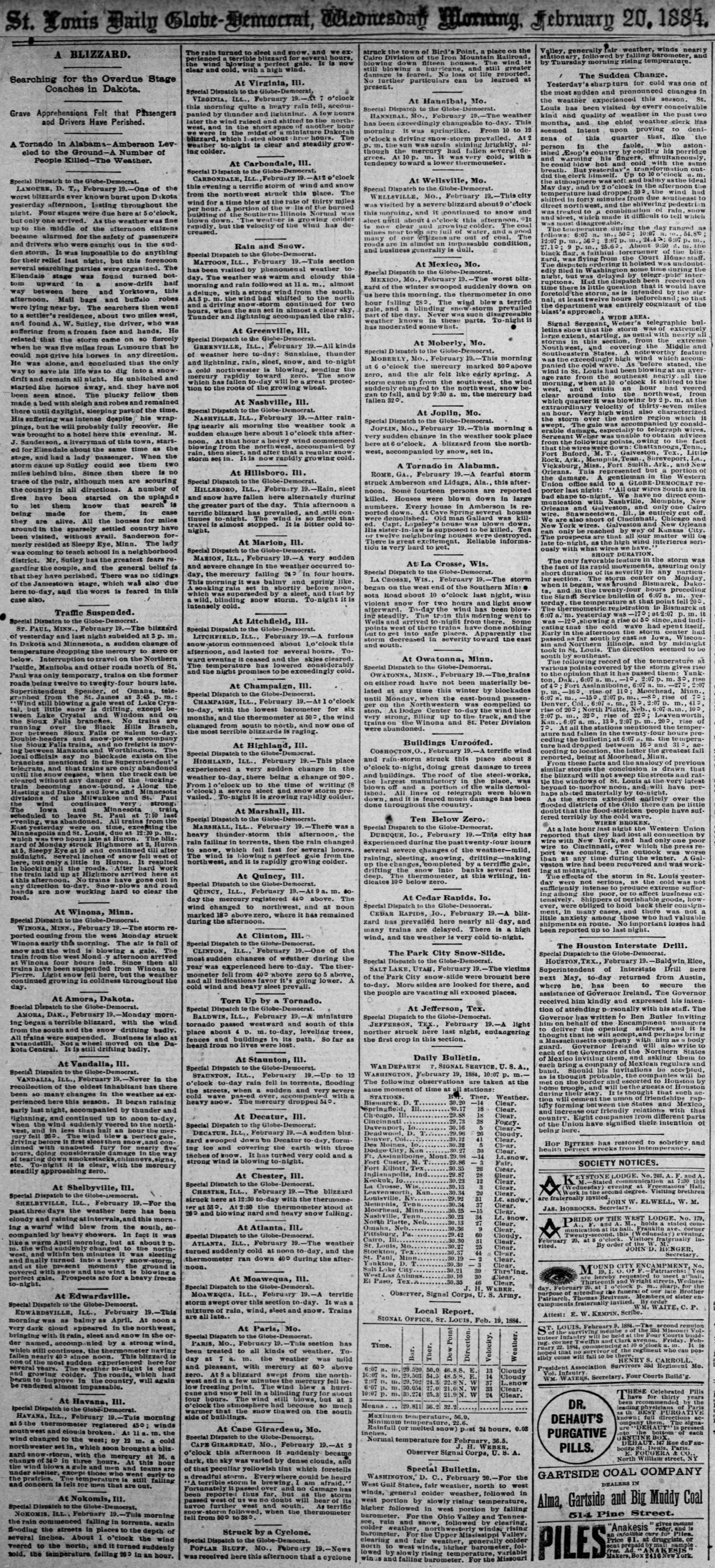
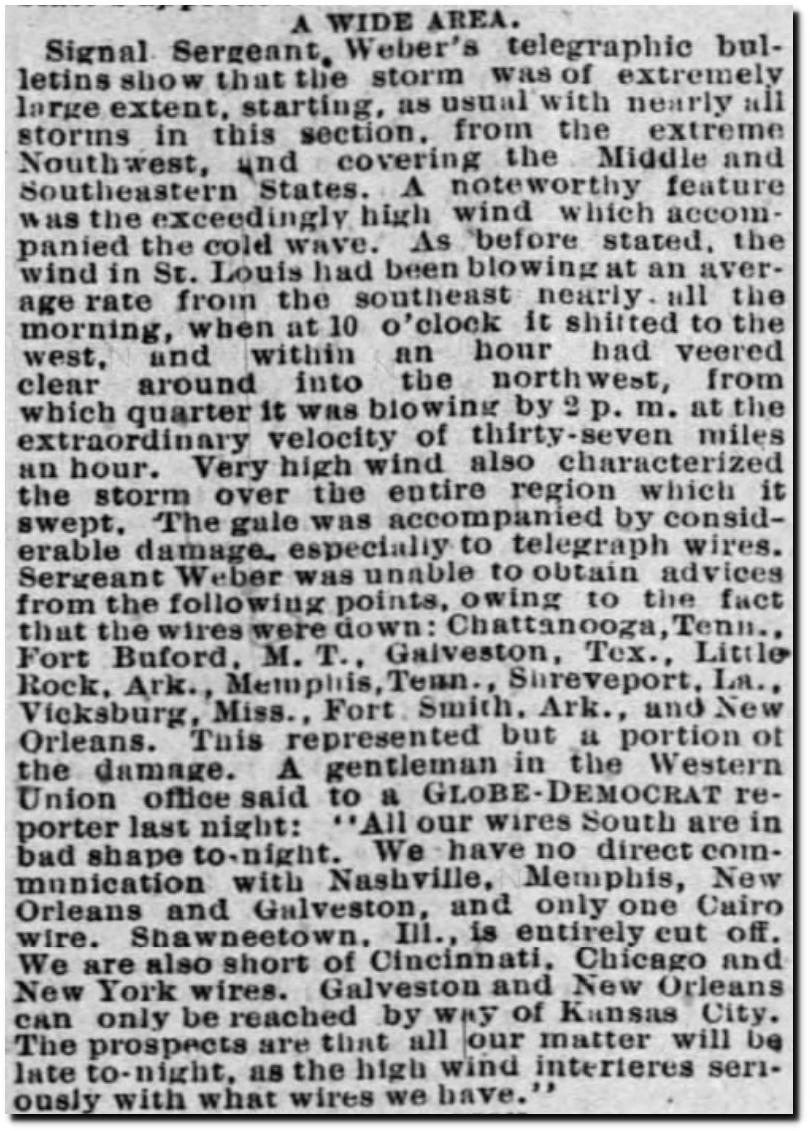
20 Feb 1884, 7 – St. Louis Globe-Democrat at Newspapers.com
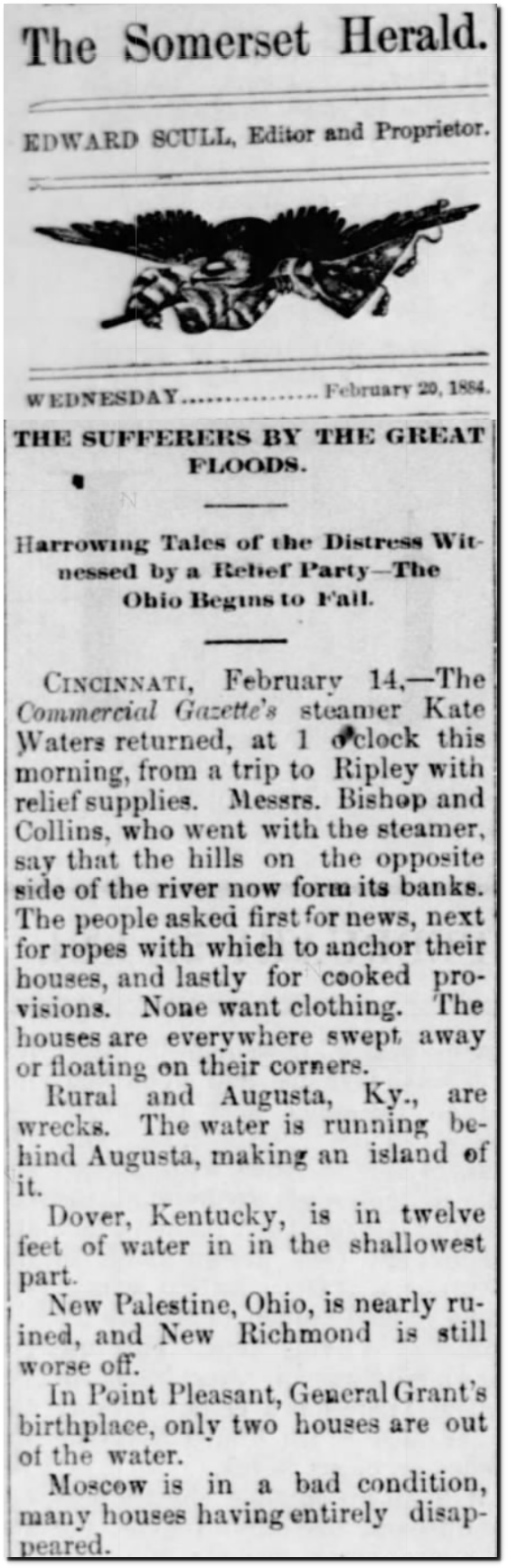
20 Feb 1884, Page 2 – The Somerset Herald at Newspapers.com
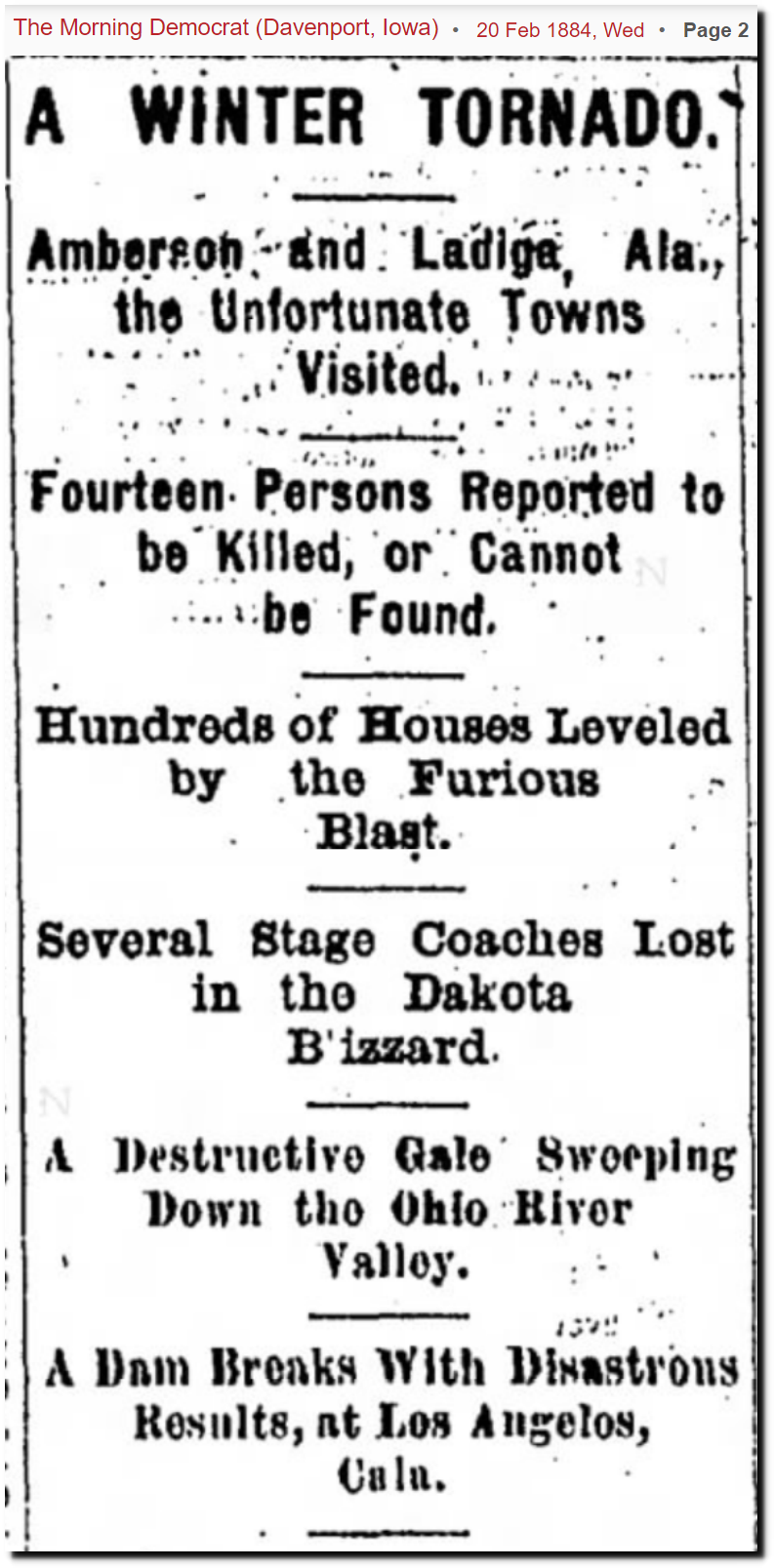
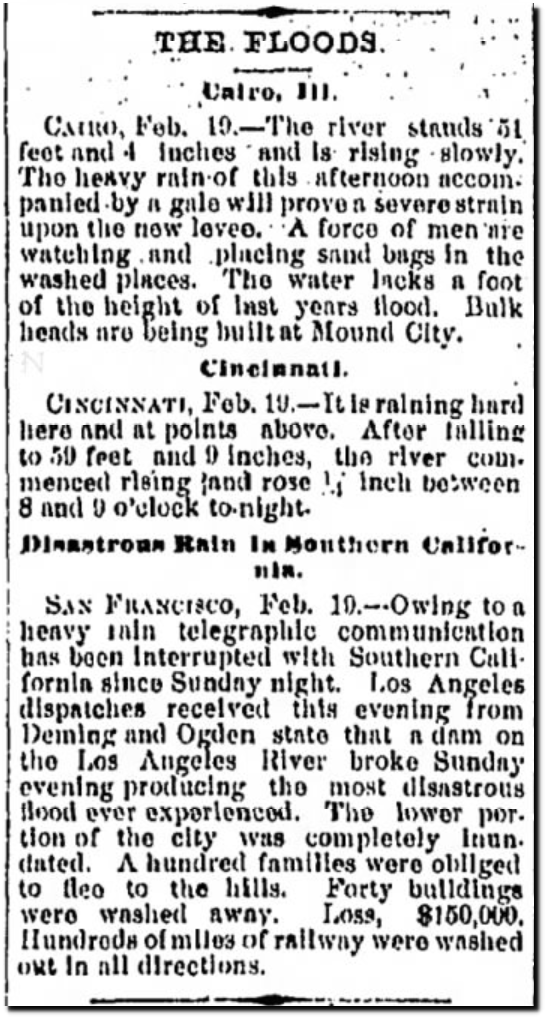
20 Feb 1884, Page 2 – The Morning Democrat at Newspapers.com
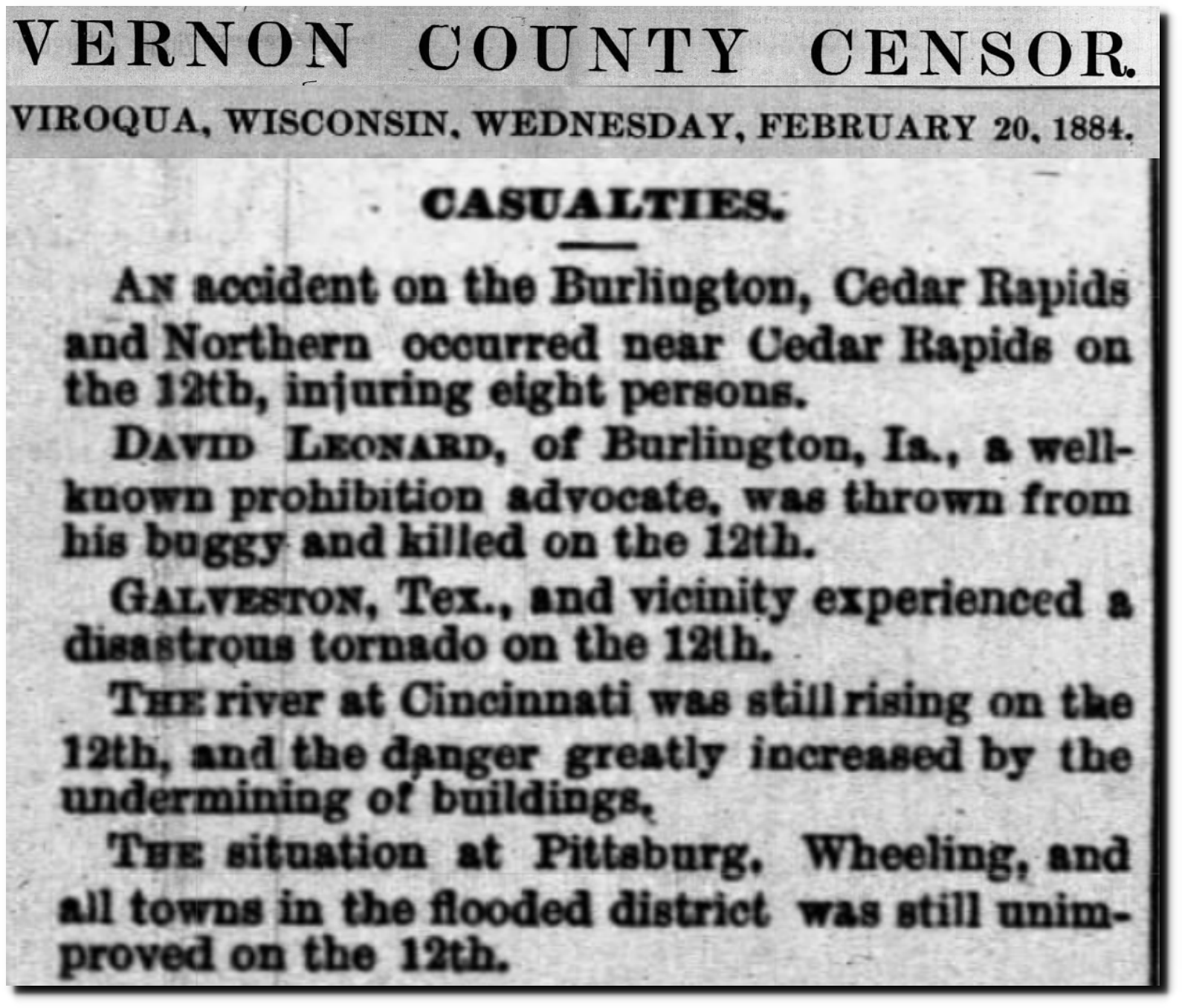
20 Feb 1884, 1 – Vernon County Censor at Newspapers.com
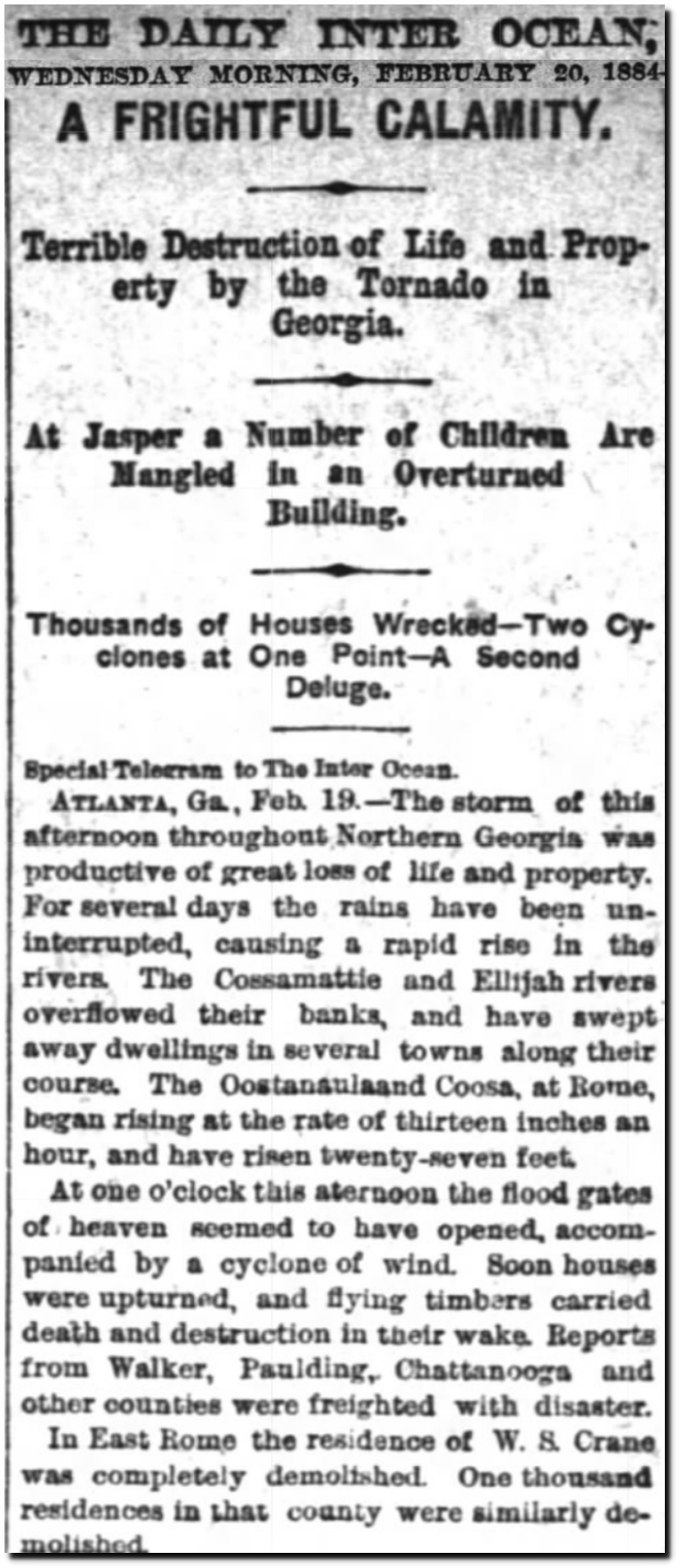
20 Feb 1884, Page 5 – The Inter Ocean at Newspapers.com

The 1880’s was also the worst decade on record for US hurricanes.

http://www.aoml.noaa.gov/hrd/hurdat/All_U.S._Hurricanes.html

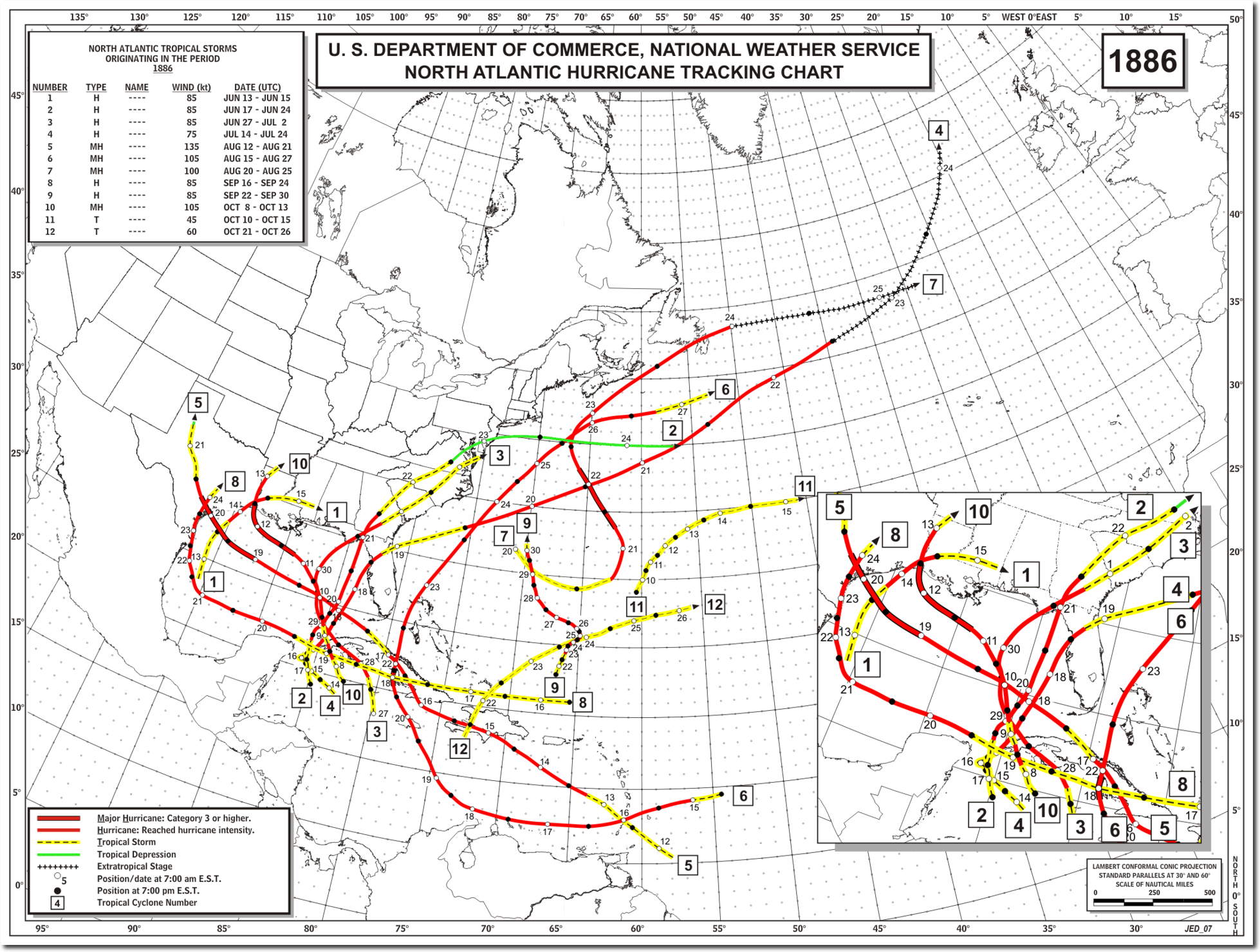
On August 20, 1886 the city of Indianola, Texas was wiped off the map by a hurricane.
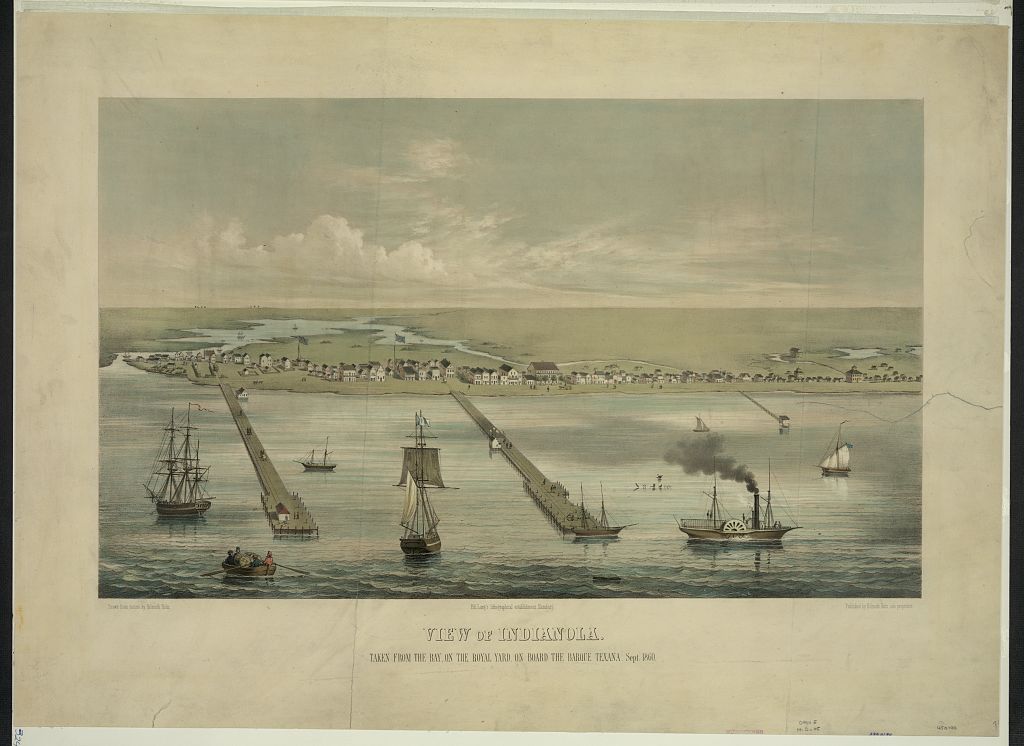
That year was the most active hurricane season in US history, with seven hurricanes making landfall.
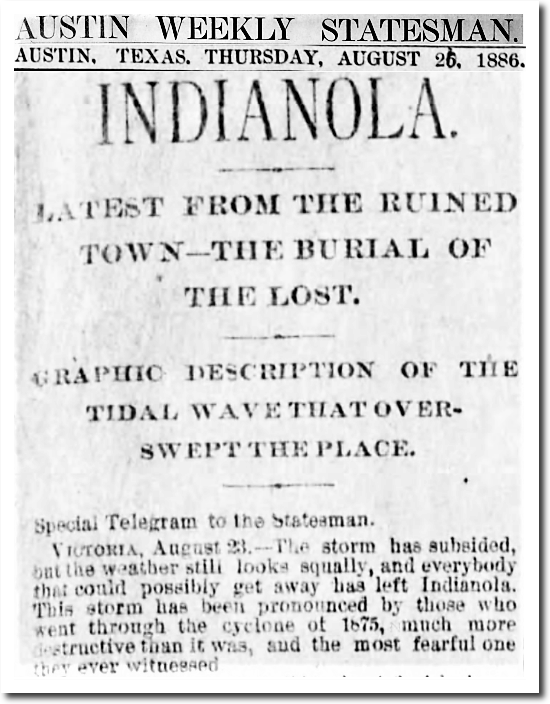
26 Aug 1886, Page 1 – The Austin Weekly Statesman at Newspapers.com

More hurricanes hit the US in 1886 than during Obama’s entire presidency.
This entry was posted in

Uncategorized

. Bookmark the

permalink

.

via Real Climate Science

https://ift.tt/2HsRoOs

February 15, 2020 at 07:15AM

Storm Dennis Arrives

By Paul Homewood


You can always rely on the Express to go hysterical when we get a bit of bad weather!

 image

https://www.express.co.uk/news/weather/1241984/UK-weather-warning-Storm-Dennis-charts-met-office-latest-forecast-saturday-weather


The facts are actually much more prosaic.

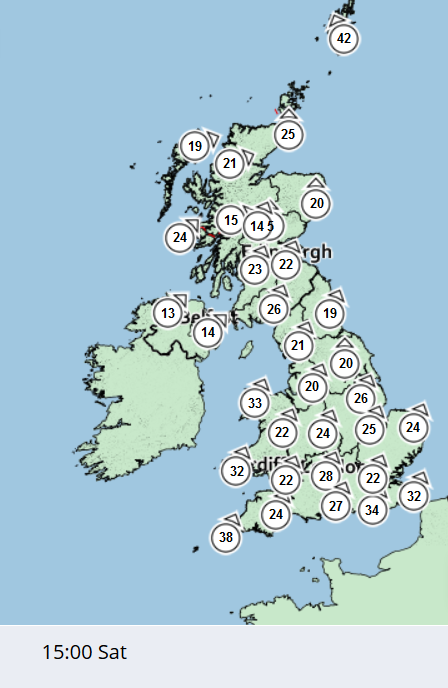
When the storm peaks this afternoon, virtually all of the country is looking at wind speeds of between 20 and 30 mph, putting it into the Fresh to Strong Breeze category. (I do believe it a bit silly that the scale should go from “strong breeze” to “near gale”. Strong winds would have been a more appropriate description! But it does indicate that, when the Beaufort Scale was drawn up, people did not regard a strong wind as anything to be concerned about)

ScreenHunter_5580 Feb. 15 12.32

image

image

https://www.metoffice.gov.uk/public/weather/forecast/map#?map=Wind&zoom=5&lon=-4.00&lat=55.01&fcTime=1581746400


The biggest problem will actually be the rainfall. The best graphic is this one from the Met Office:

image

https://www.telegraph.co.uk/news/2020/02/15/storm-dennis-uk-weather-warnings-forecast-rain-winds-flooding/

The heaviest of the rain looks set to nit N Wales, so hopefully the Calder Valley will not be too badly hit this time.

via NOT A LOT OF PEOPLE KNOW THAT

https://ift.tt/38wDhn9

February 15, 2020 at 06:57AM

Arctic sea ice much more resilient than thought 

Still waiting

More so than the climate alarm movement thought, anyway. Hence all the failed predictions of disappearing summer sea ice in the Arctic, and erroneous claims of ‘rapid melting’ that no longer hold water 😎
Observations show a ‘sideways trend’ in Arctic sea ice volume since around 2010, which perhaps not by chance follows a significant downturn in solar cycle intensity.
– – –
In recent years the Arctic sea ice has shown great resiliency and is currently at higher levels for this time of year when compared to all but two years going back to 2005, says meteorologist Paul Dorian of Perspecta Inc. (via The GWPF).

Overview

Sea ice covers about 7% of the Earth’s surface and about 12% of the world’s oceans and forms mainly in the Earth’s polar regions.

Specifically, much of the world’s sea ice is found within the Arctic ice pack of the Arctic Ocean in the Northern Hemisphere and the Antarctic ice pack of the Southern Ocean in the Southern Hemisphere.

While the Antarctic sea ice extent is currently running at levels very close-to-normal, the Arctic sea ice extent is below-normal and has been running generally at below-normal levels since the middle 1990’s at which time there was a long-term phase shift from cold-to-warm in the North Atlantic Ocean sea surface temperature pattern.

In recent years, however, the Arctic sea ice has actually shown great resiliency and is currently at higher levels for this time of year when compared to all but two years going back to 2005.

Continued here – includes discussion of the Atlantic Multidecadal Oscillation (AMO) climate cycle and the Polar Vortex.

via Tallbloke’s Talkshop

https://ift.tt/3bFagYq

February 15, 2020 at 06:24AM

“Democratic Socialism”

“Democratic Socialism”

This entry was posted in

Uncategorized

. Bookmark the

permalink

.

via Real Climate Science

https://ift.tt/2u4k9hA

February 15, 2020 at 06:13AM