
One of the participants in the IPA’s new Reef Rebels’ program said to me earlier this week, ‘But there is only one narrative, Jen’. It was during one of our wide-ranging dinner discussions about perspectives and politics and so on. The narrative in the mainstream media is that the Great Barrier Reef is dying due to repeated coral bleaching from global warming. Yet at the same time there is a tourist industry, with dive shops advertising their local coral reef as pristine. So, there is one narrative and then there are claims by tourist operators.
The narrative can be tested by visiting the coral reefs that the tourist operators claim to be pristine. Especially the same ones the institutions claim to be bleached. Just yesterday, for example, we visited Stanley Reef with the Yongala Dive Shop at Alva Beach. Their Stanley Reef webpage explains:
Join us on an unforgettable day at Stanley Reef snorkelling and diving this truly healthy and pristine coral reef.
Your day starts with an adventurous 4WD across the sand before we launch from the beach. We are the only operator to access this section of reef, so there will be no crowds – guaranteeing you an unforgettable day.
Cruise over turquoise water and beautiful colourful coral reefs, spotting unique marine life and enjoy a once-in-a-lifetime experience on Australia’s Outer Great Barrier Reef.
Meanwhile the Great Barrier Reef Marine Park Authority has listed this reef as 90% bleached, and it has also been reported as in a sorry state by the Climate Council.
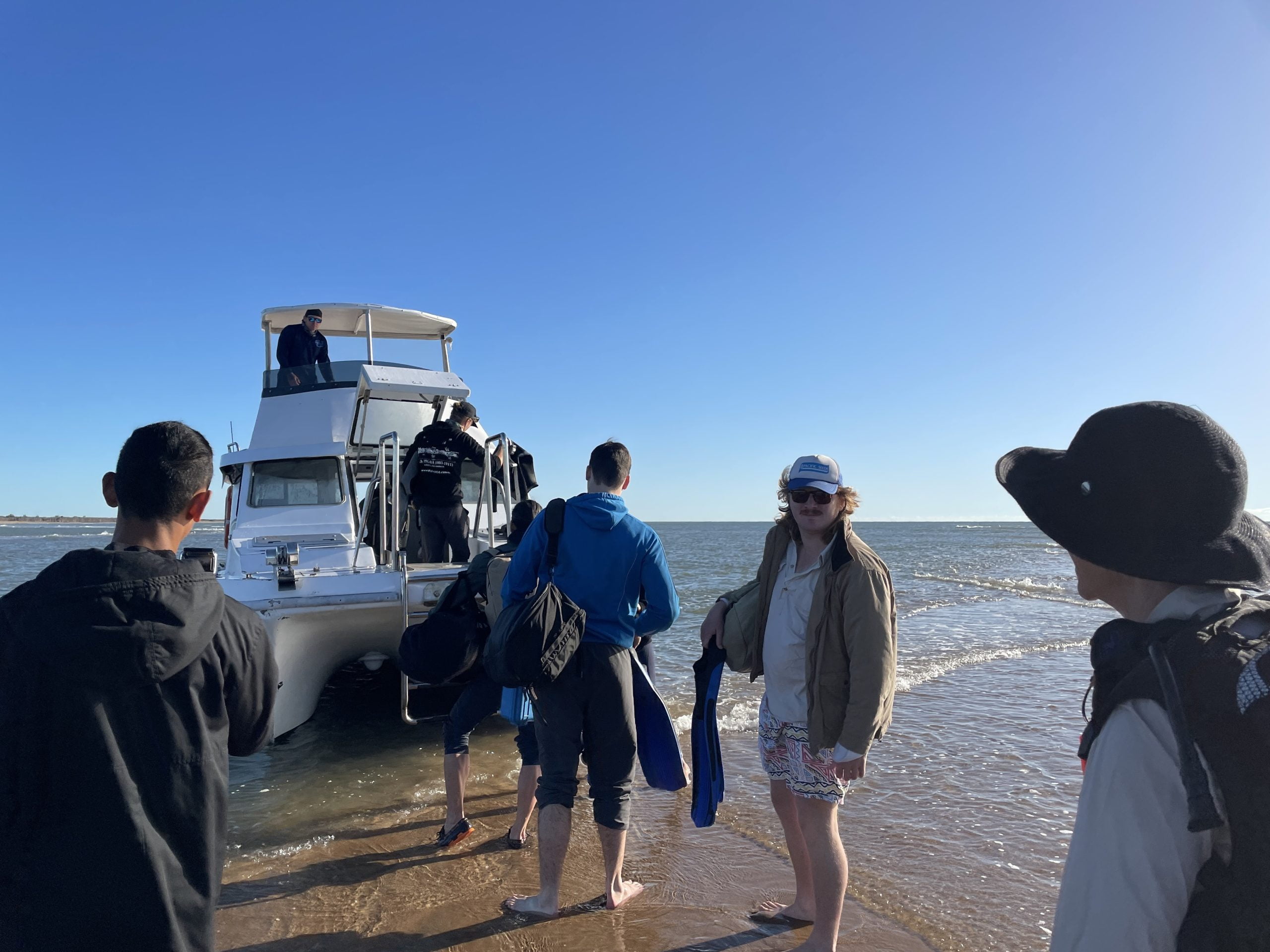
Stanley Reef is vast, and we only got to visit a small part of it yesterday. But we did specifically ask to be shown the worst bleaching at Stanley Reef including that section of Stanley reef visited by Selina Ward from University of Queensland with her claims of severe bleaching promoted nationally and internationally including by Tim Flannery’s Climate Council. Her story is consistent with the one official narrative.
At Stanley Reef yesterday, participants in the IPA’s Reef Rebels program got in the water and snorkelled over reef crests. They variously estimated bleaching at most to be between 10 and 20 percent. This is irreconcilable with the Great Barrier Reef Marine Park Authority’s claims of 90% from an aerial survey which would also have been of the reef crest.
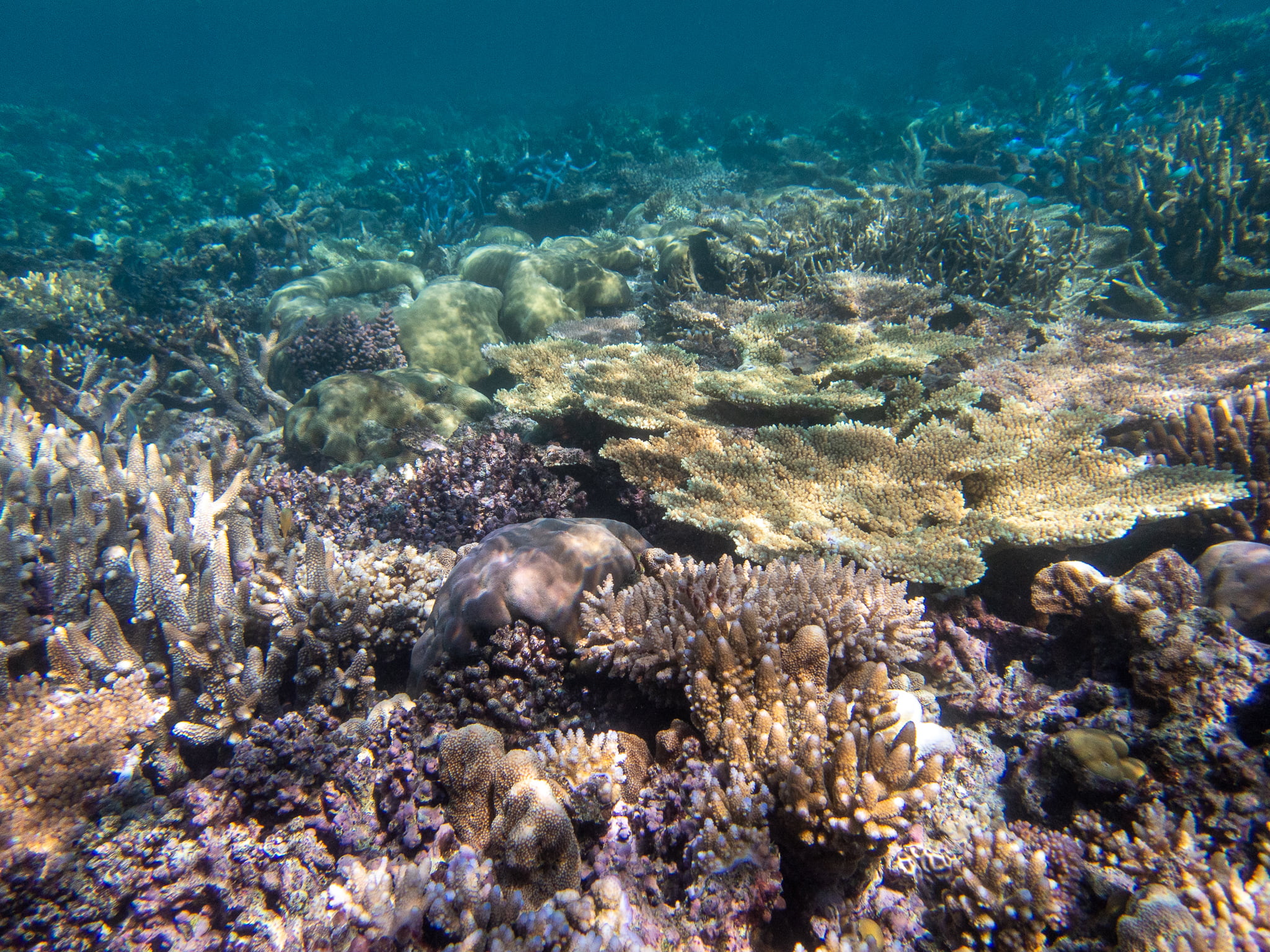
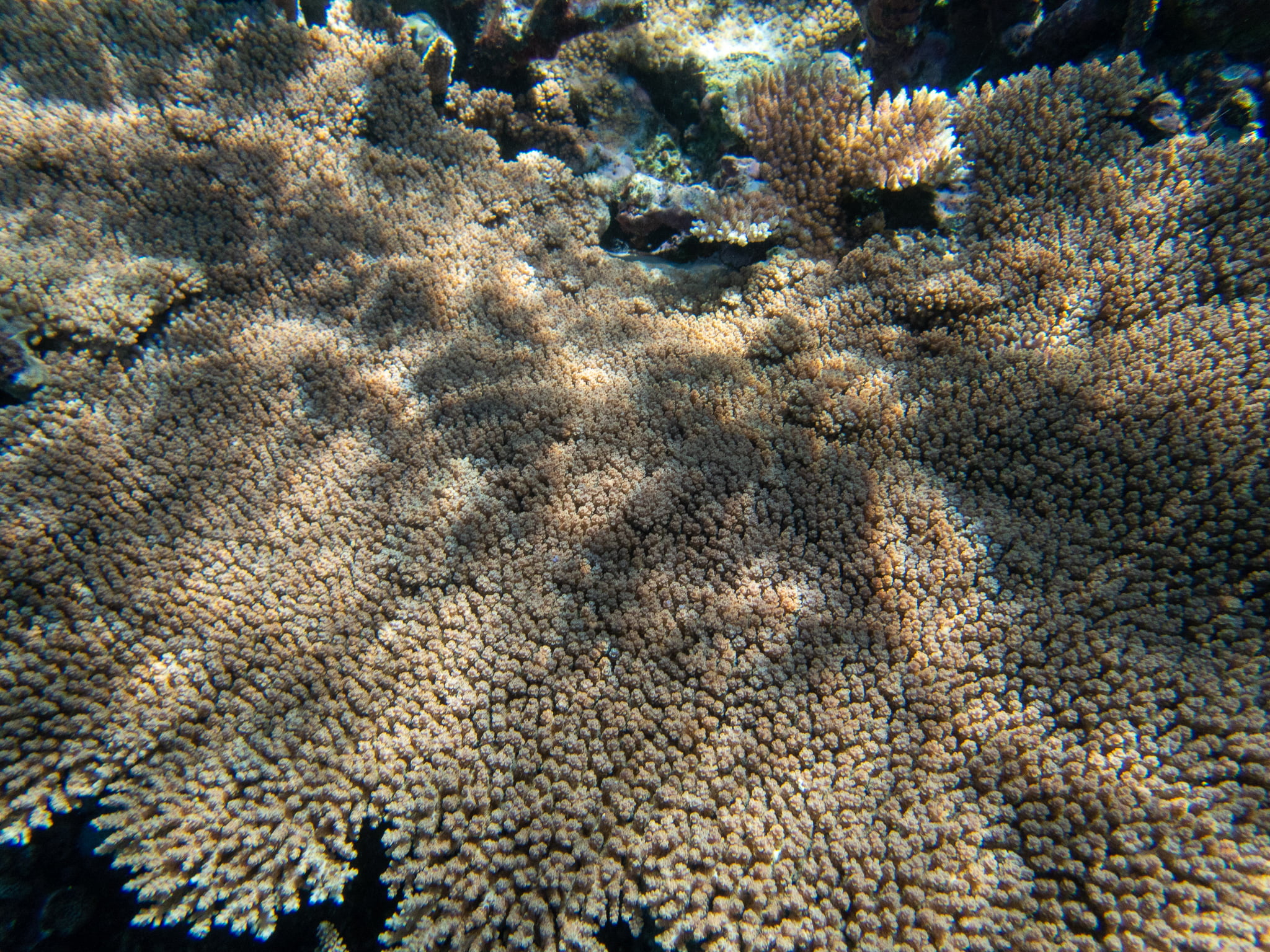
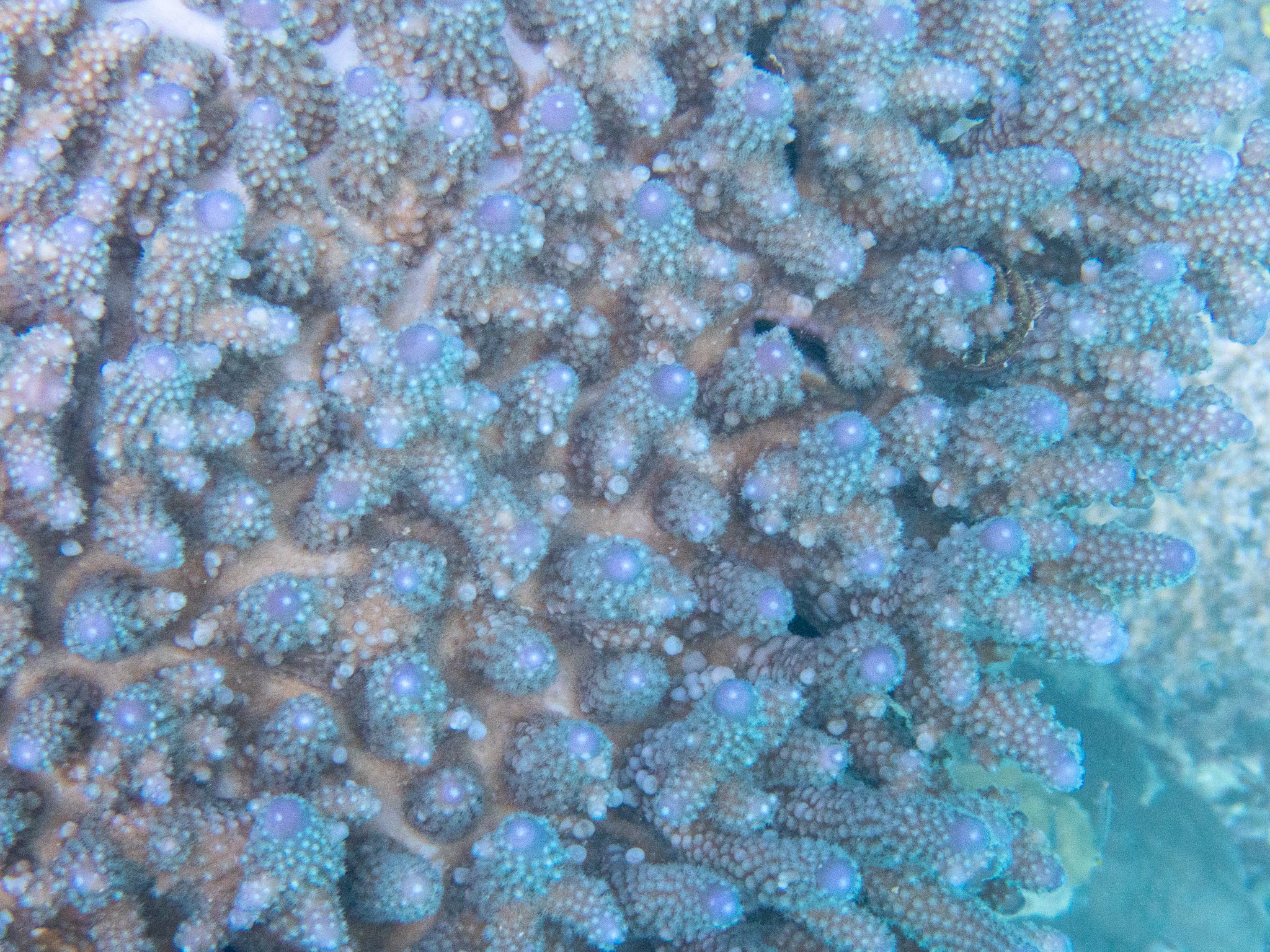
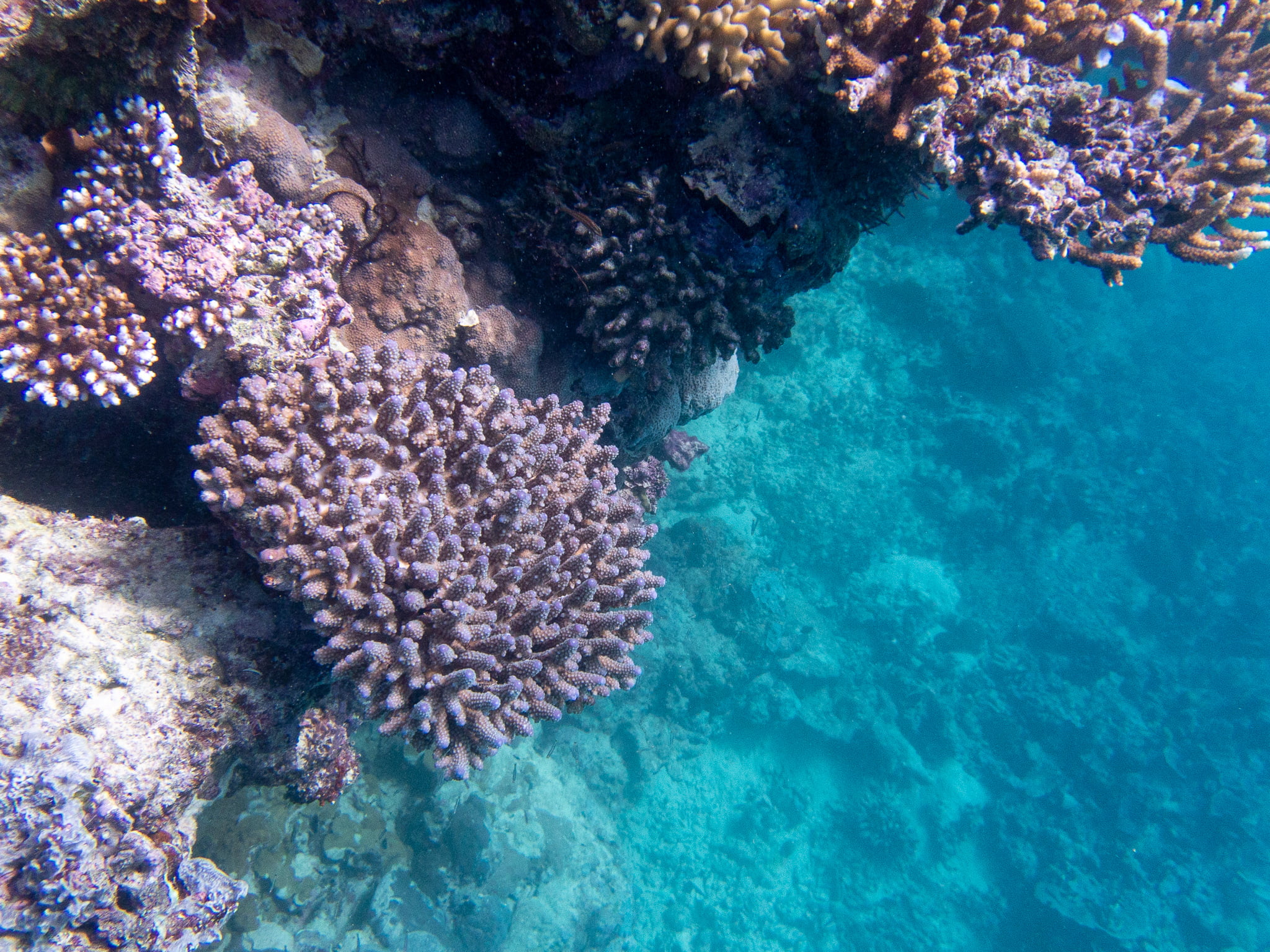
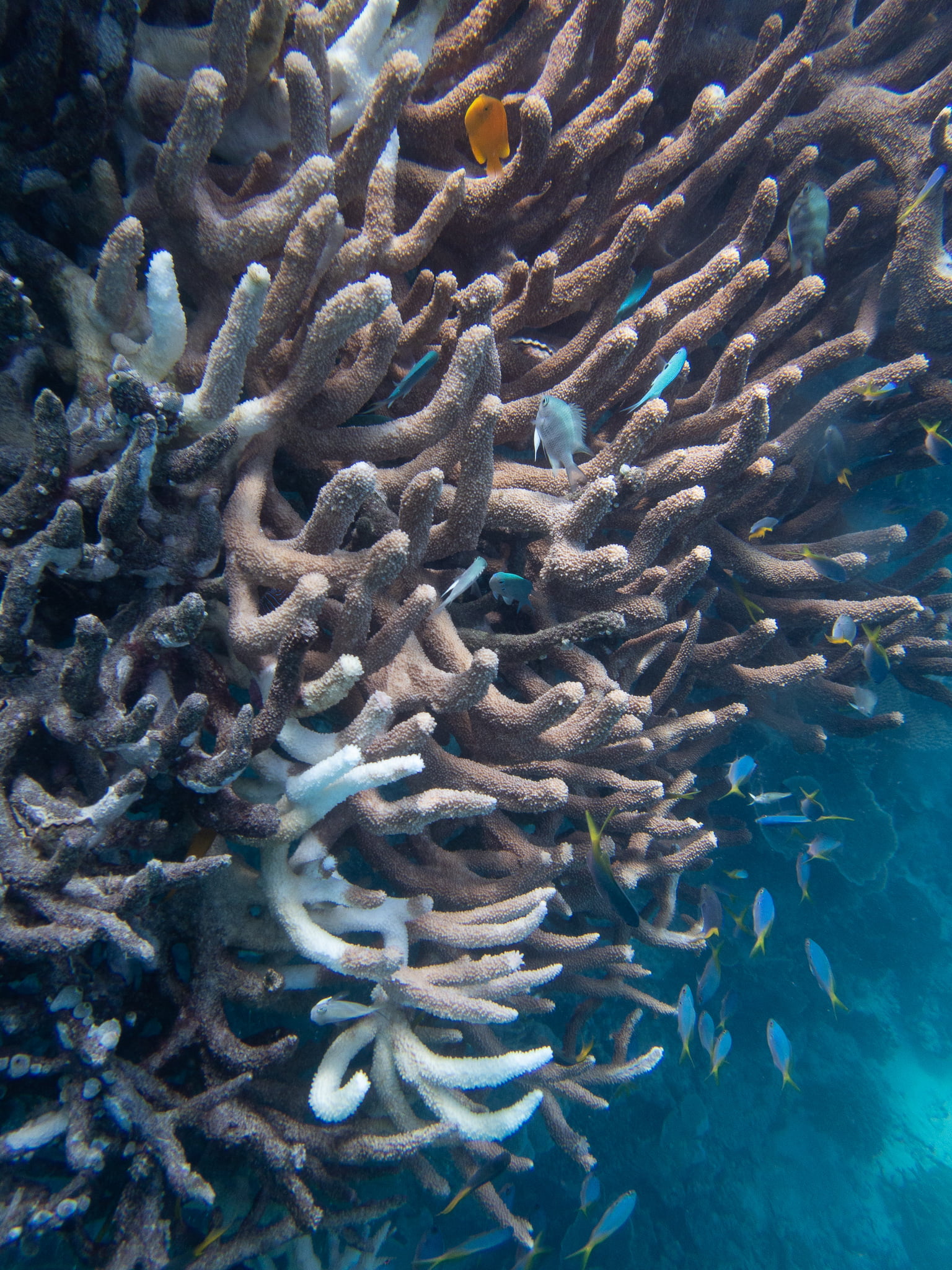
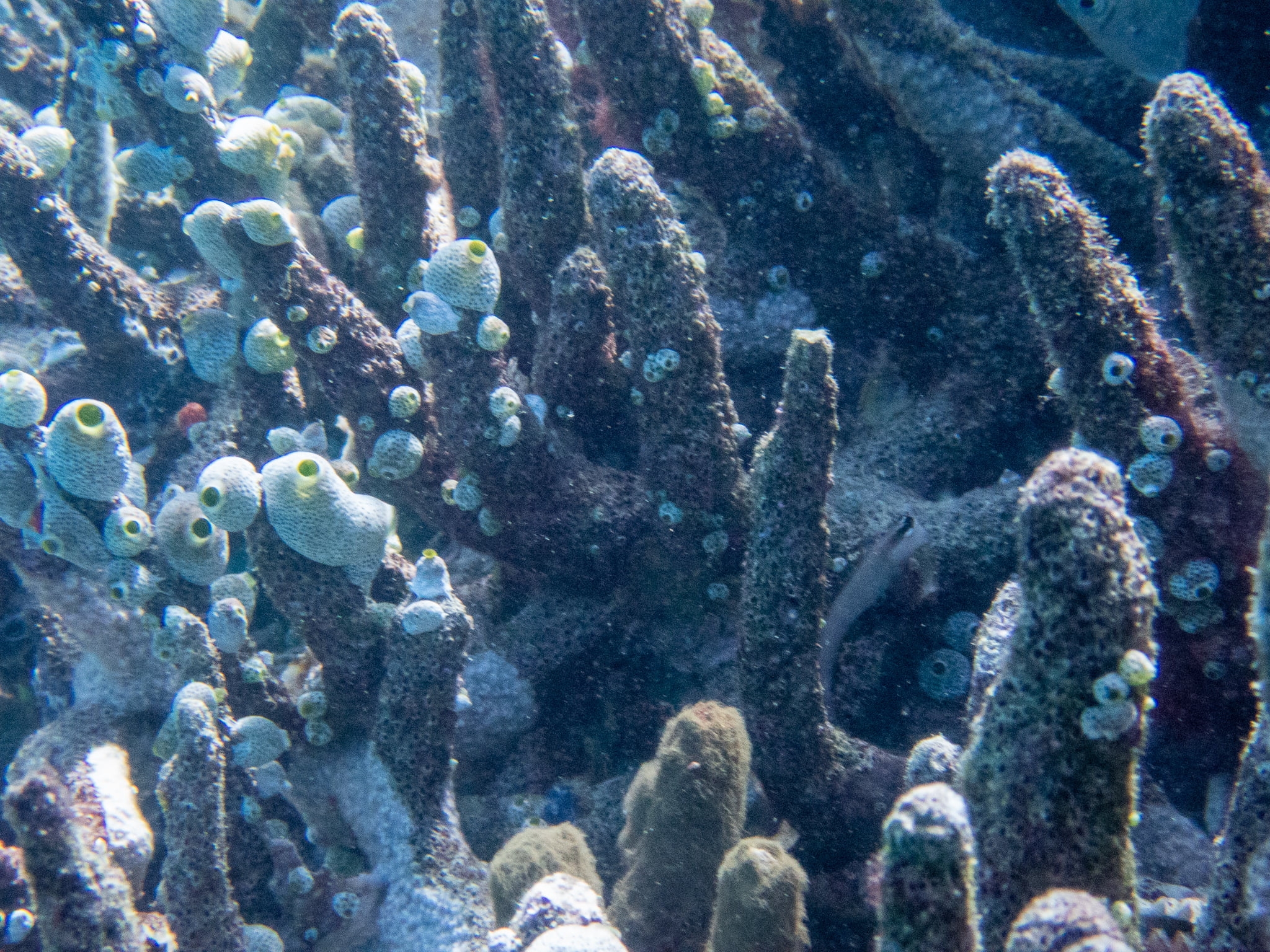
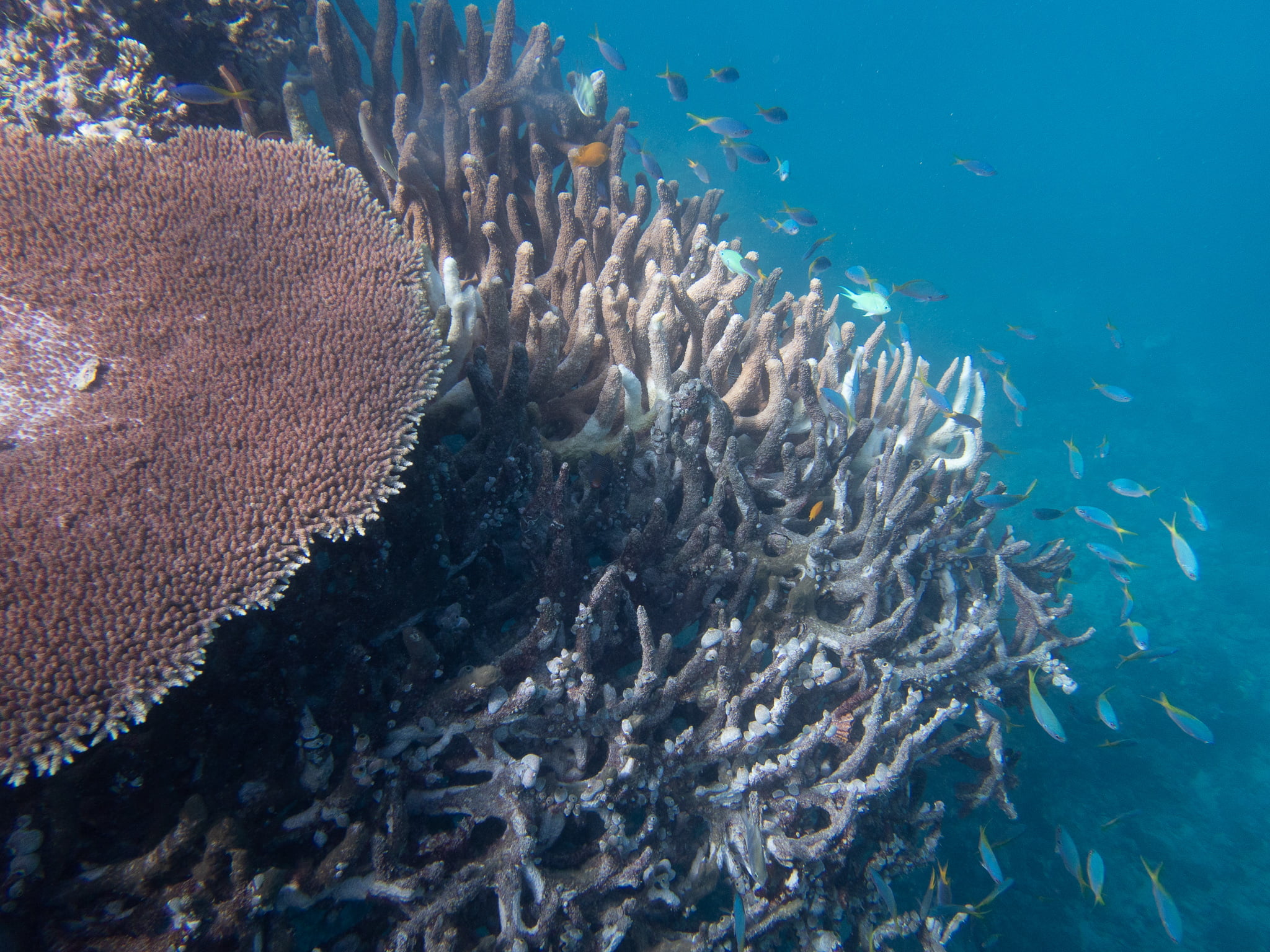
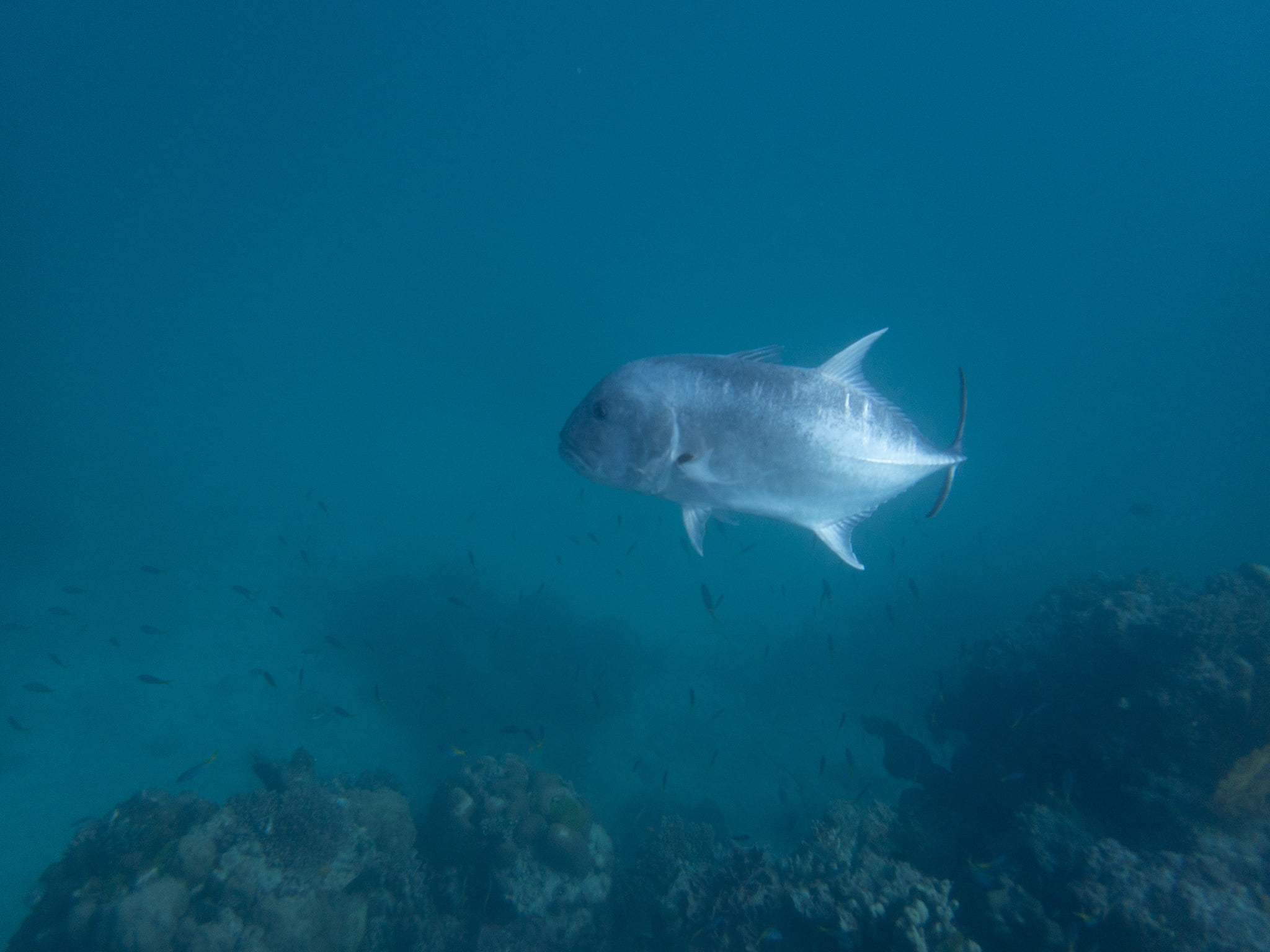
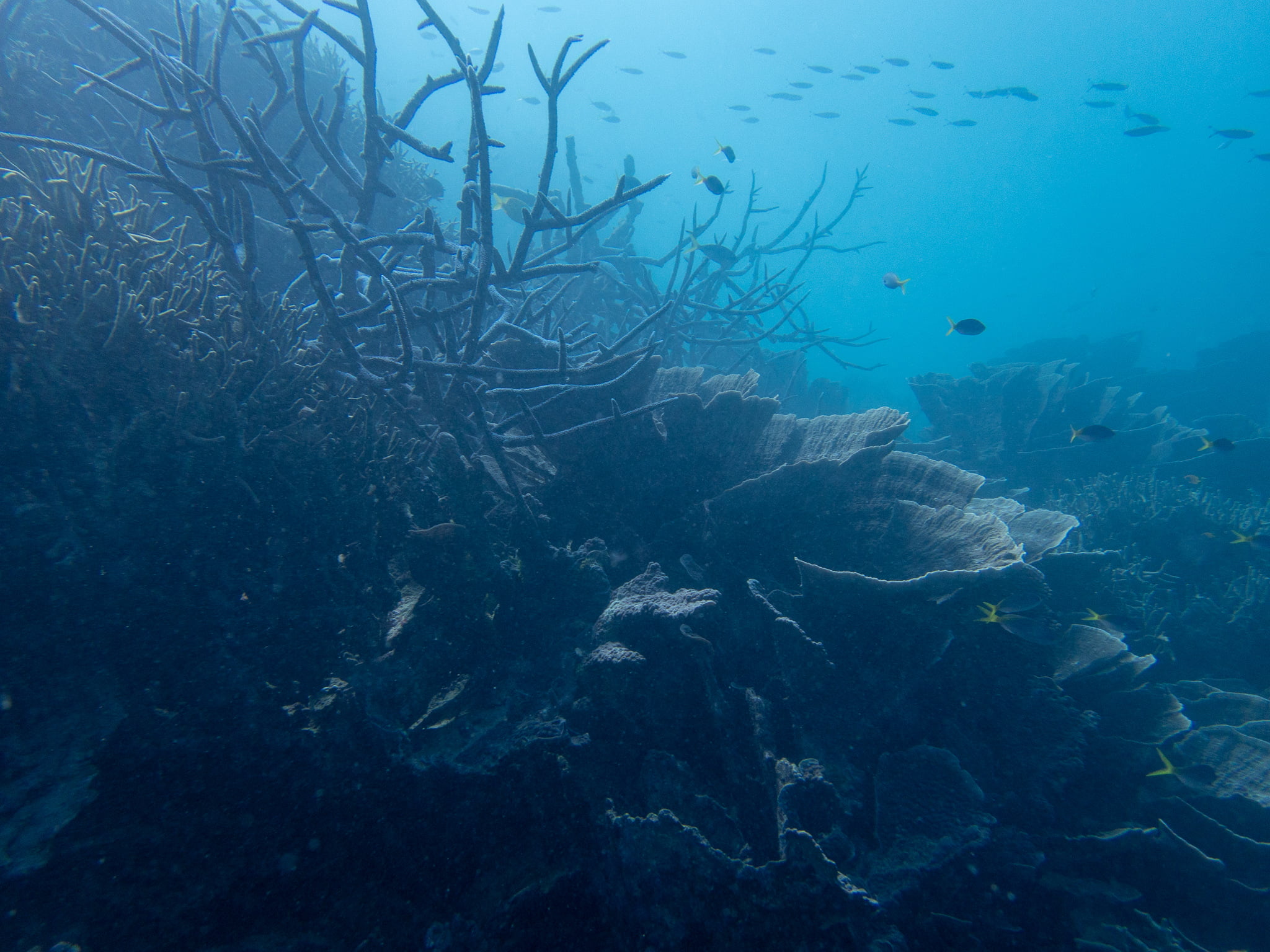
I was on scuba with an air tank strapped to my back so I got to see a lot more. Over the edge and down the walls there were foliose corals in the genus Monitpora and Turbinaria.
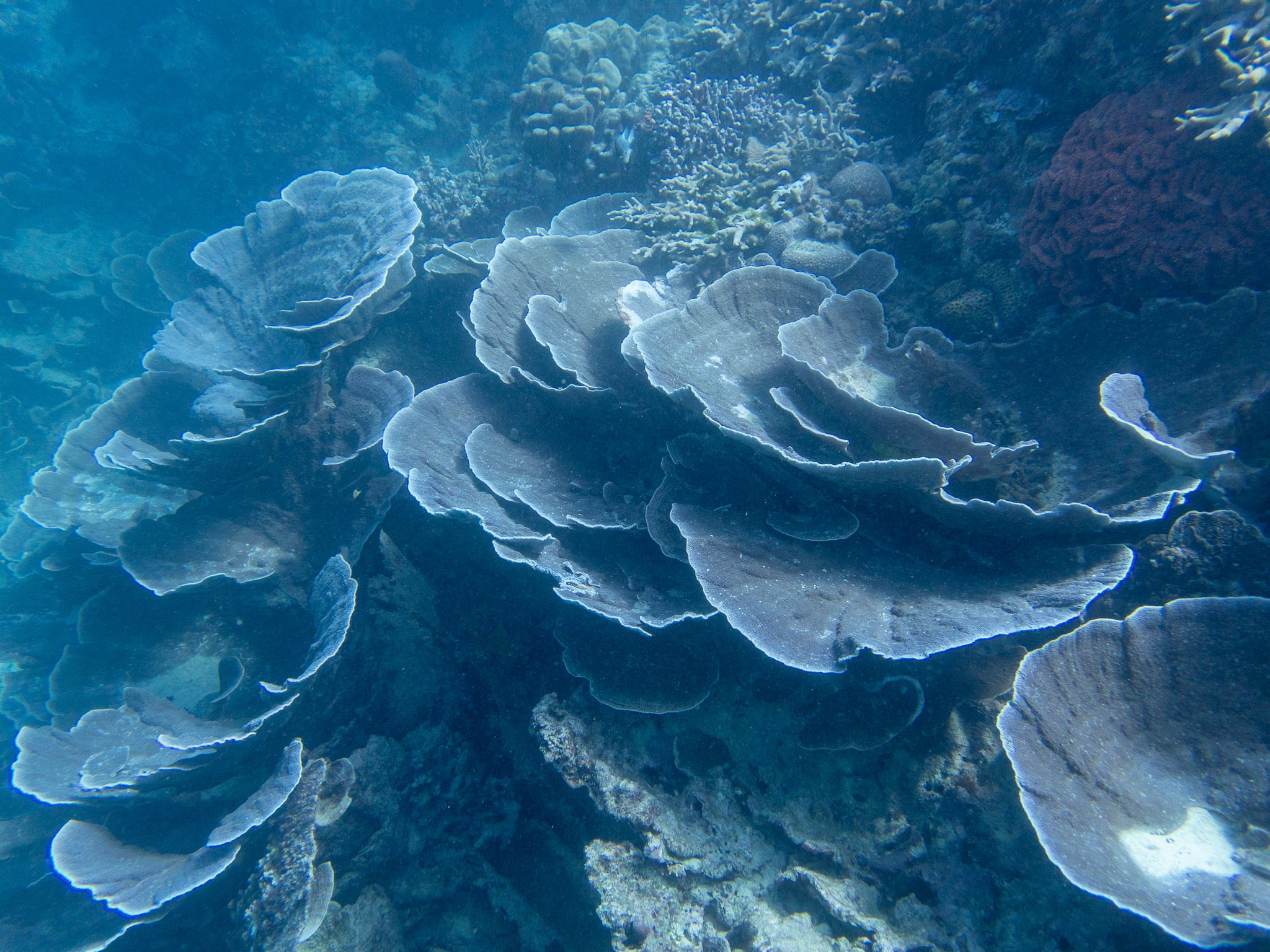
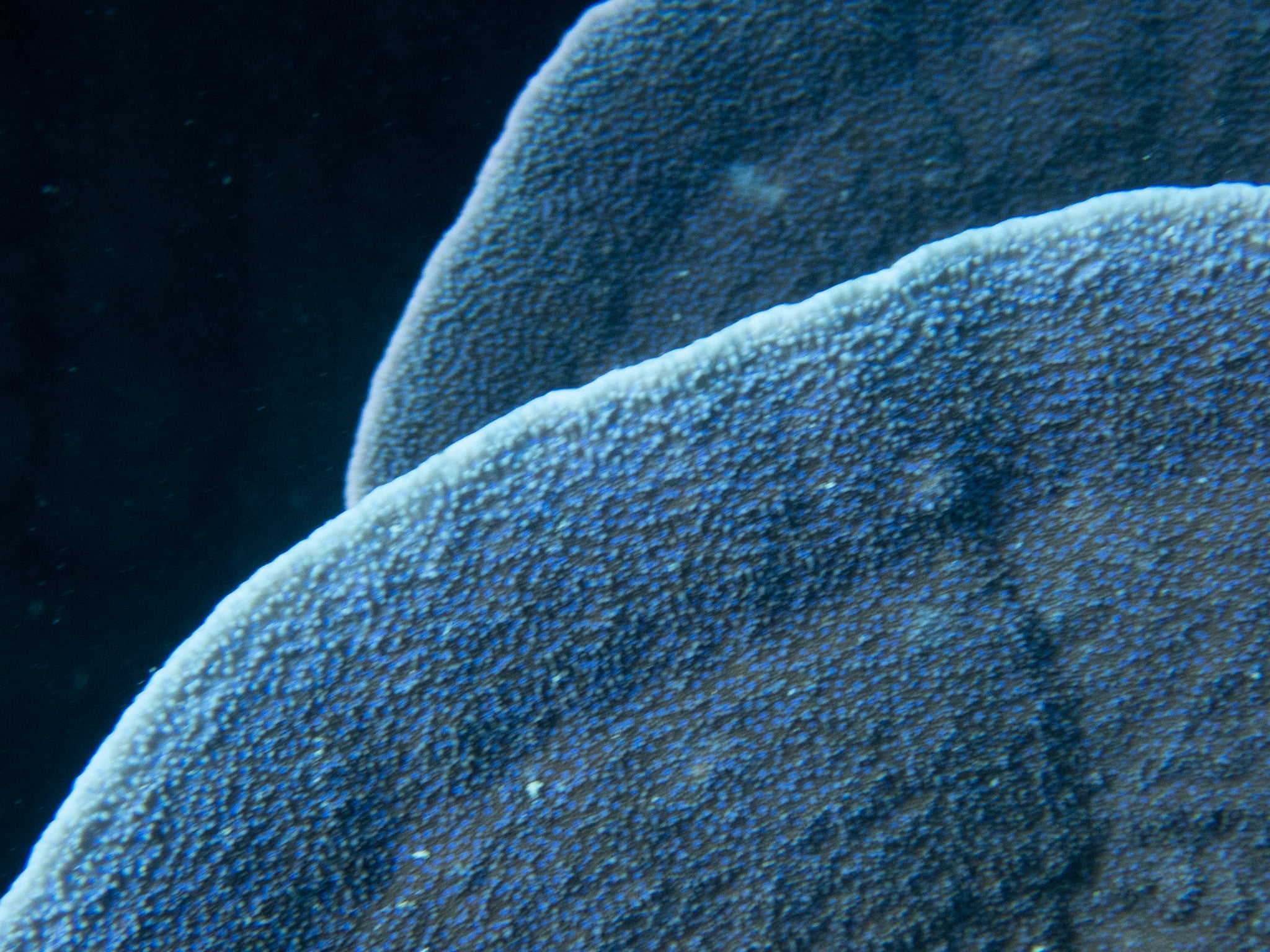
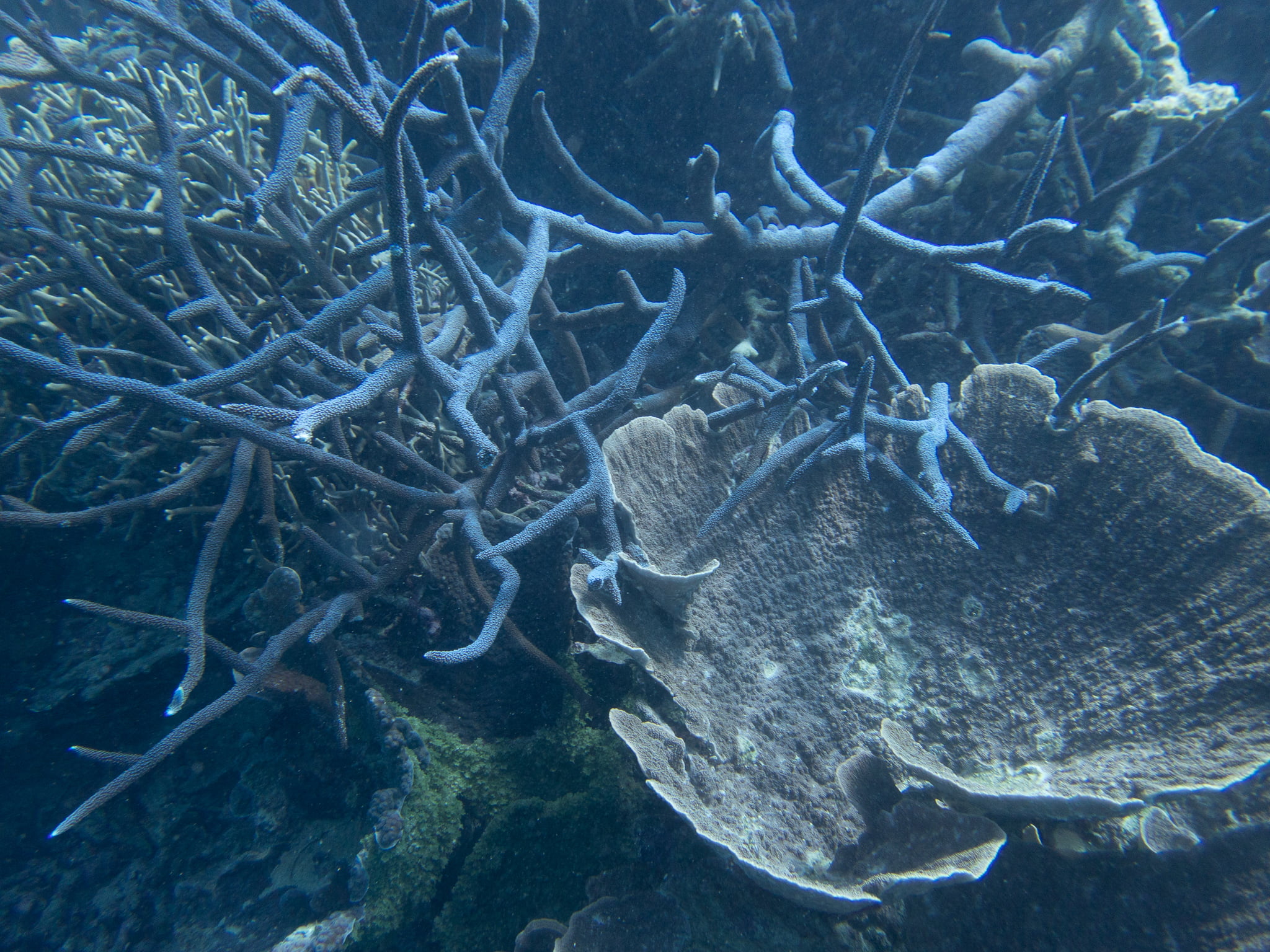
In the deeper water, without large lights corals often have a blue haze. This is because wavelengths in the blue part of the visible light spectrum penetrate water to some few metres, while all the wavelengths in the red part of the spectrum are absorbed by 5 metres under the water.
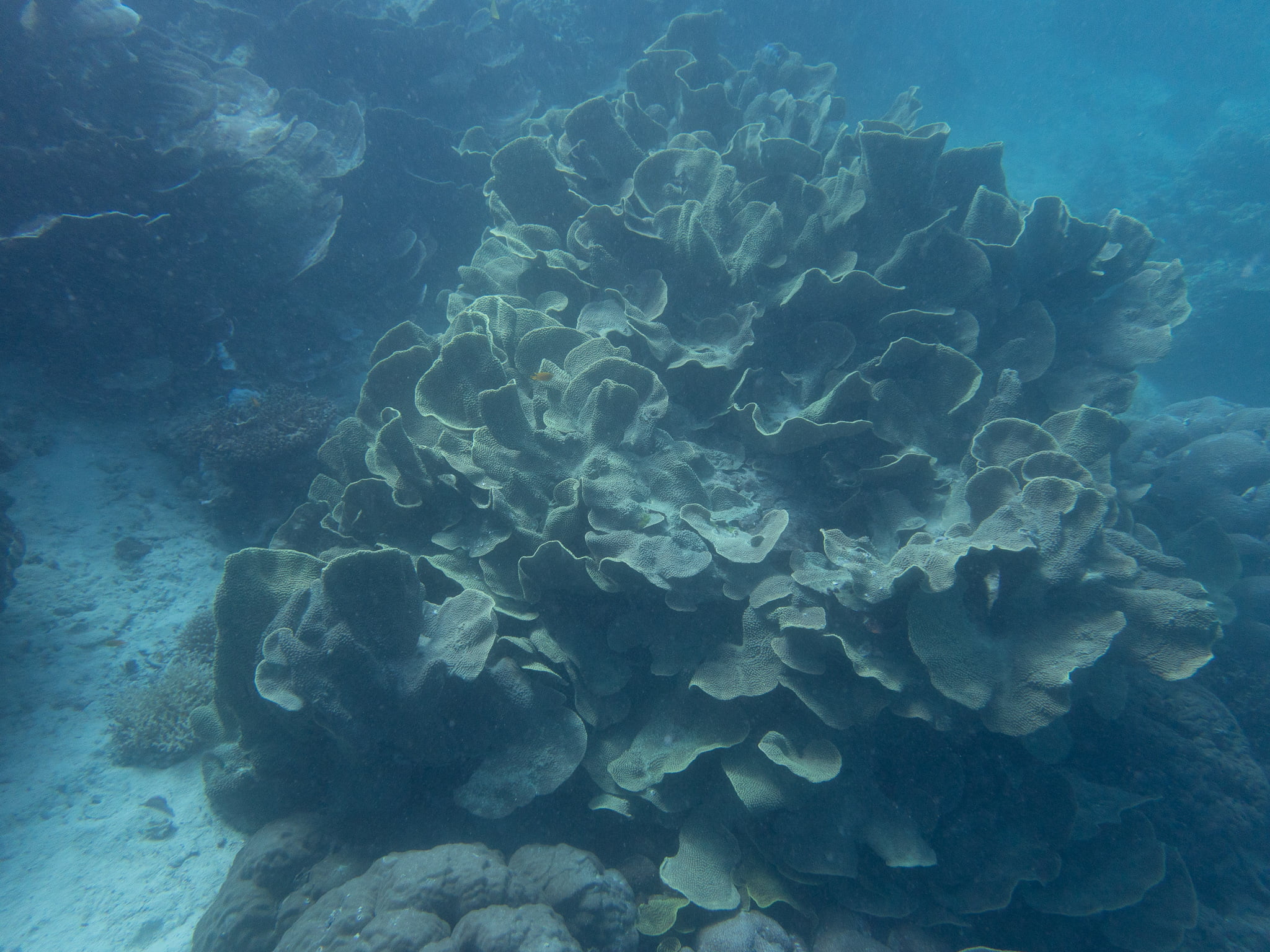
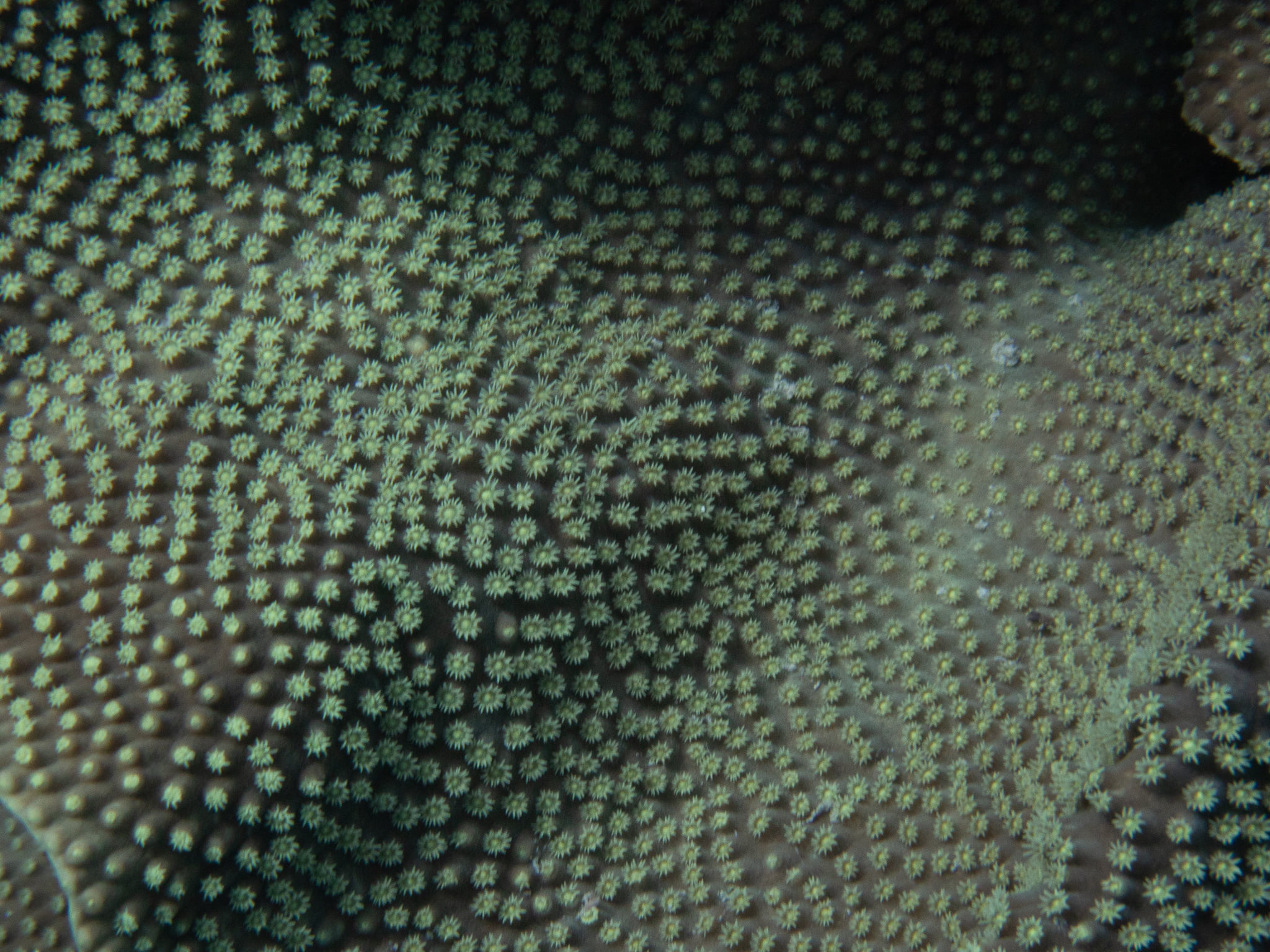
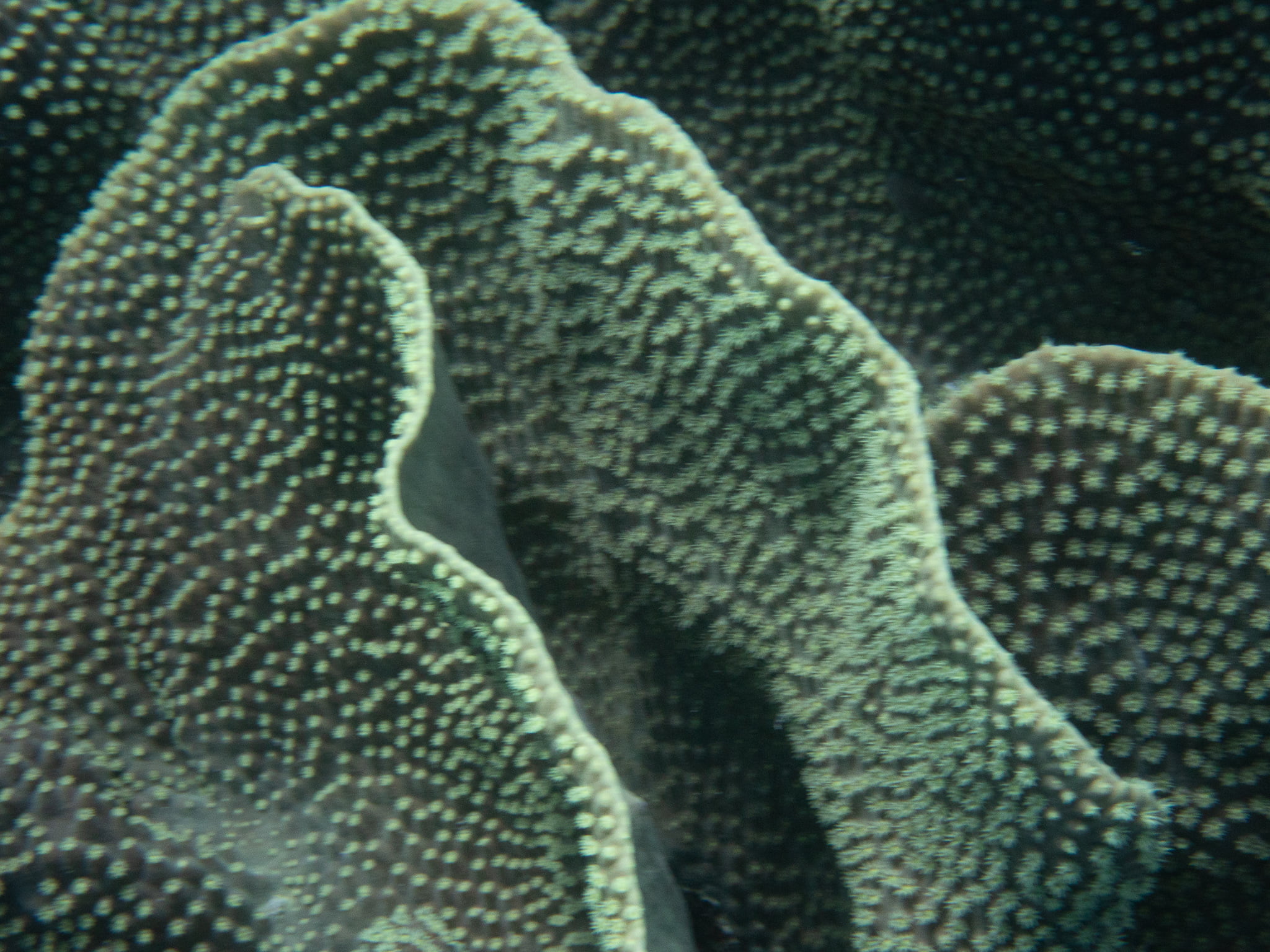
All the photographs in this blog post were taken with my little Olympus TG6 camera and a small light set-up suitable for macro-photography but not for wide angle.
The photographs were taken to give some idea of the state of Stanley Reef for this moment in time. At the Great Barrier Reef Marine Park Authority website there is only a map showing Stanley Reef as severely bleached – the clear impression is that more than 90% of the corals at Stanley Reef are on the verge of death. The official GBRMPA map is based on a 2021-22 aerial survey. This involves flying over coral reefs at an altitude of 150 metres. I would argue at this distance you can’t actually make out individual coral colonies so how could you possibly know the health of the corals.
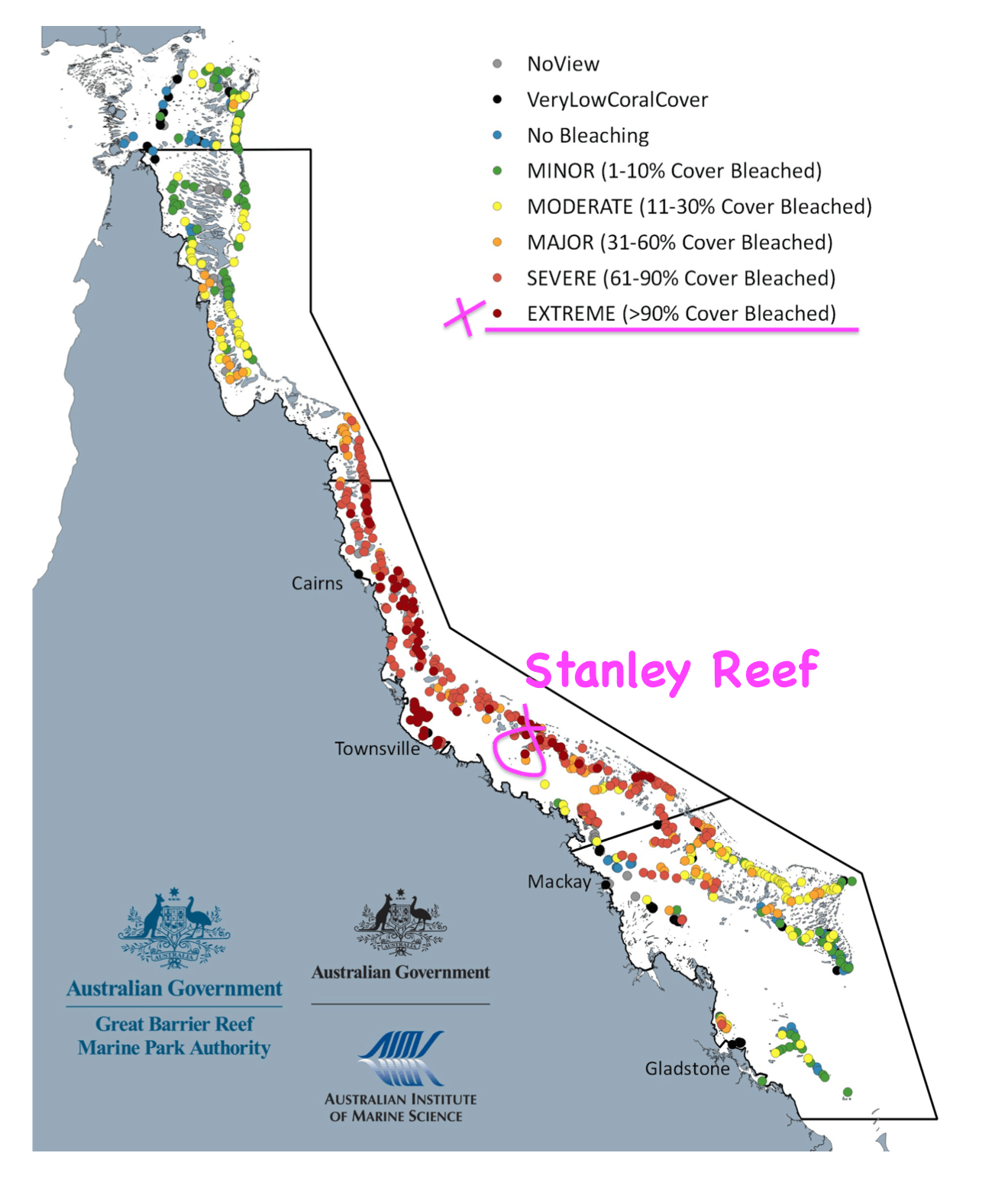
There may only be one narrative. And disappointingly it bears no relationship to the reality under the water. Stanley Reef is still a coral wonderland and thanks to the IPA’s Reef Rebels program I got to see it all with my own eyes. That is real science, being able to bear witness to the state of an environment up close and in real time.
My experience of Stanley Reef was consistent with the information at the Yongala Dive website.
***
The top feature image shows two of the participants in the IPA’s Reef Rebel program. All the photographs in this blog post were taken at Stanley Reef on 7th July 2022 or on the way to Stanley Reef by Jennifer Marohasy.
via Jennifer Marohasy
July 7, 2022 at 09:44PM

