
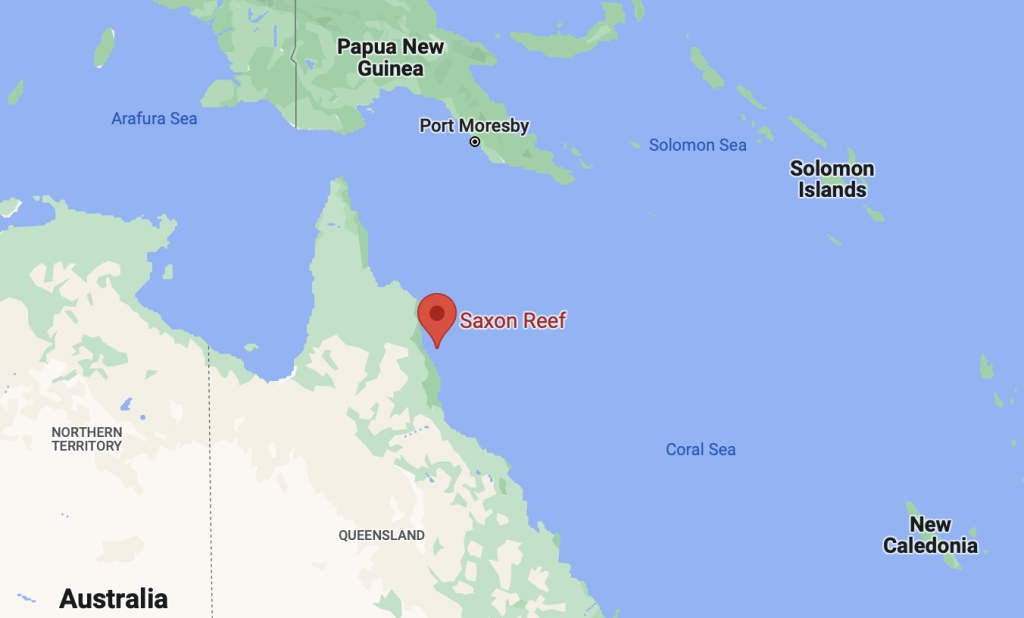
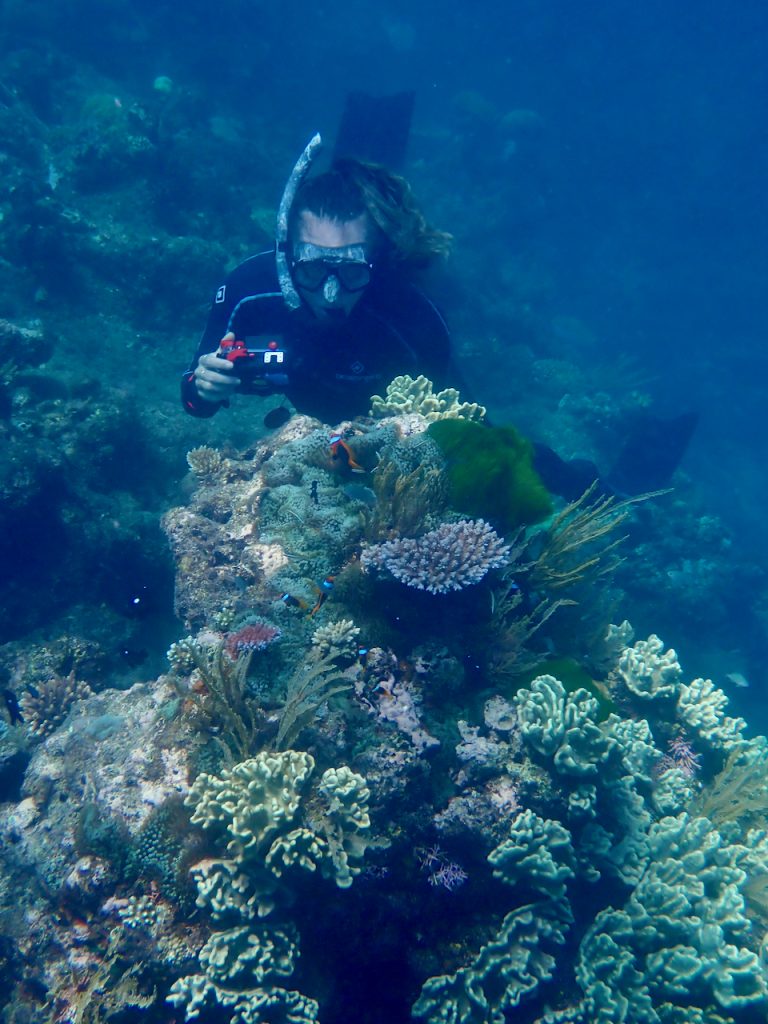
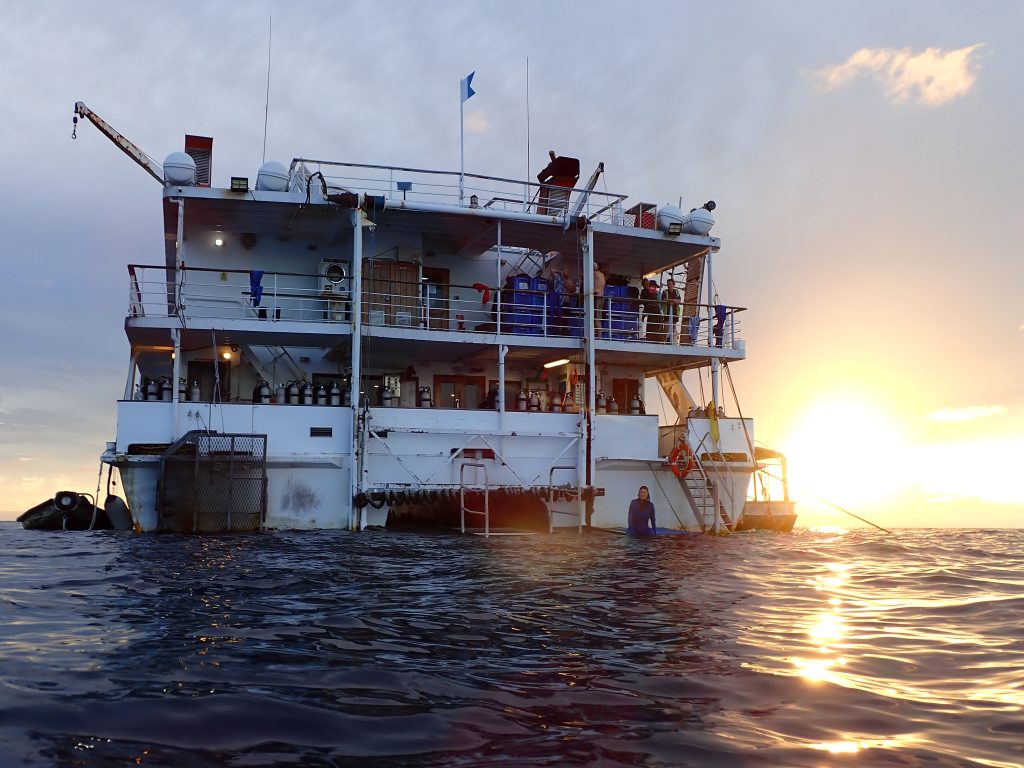
I spent some of last weekend at the Great Barrier Reef, specifically jumping off a boat called Reef Encounter moored variously at Norman and Saxon reefs to the northeast of Cairns. The sun was shining, the water was crystal clear and so warm – a delicious 29 degrees Celsius.
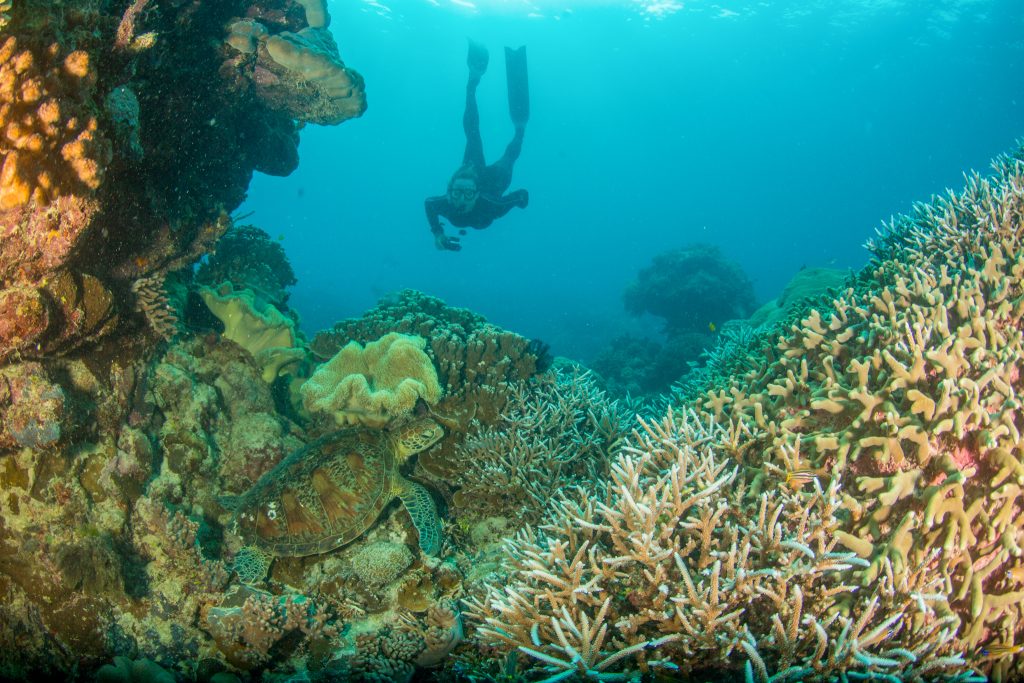
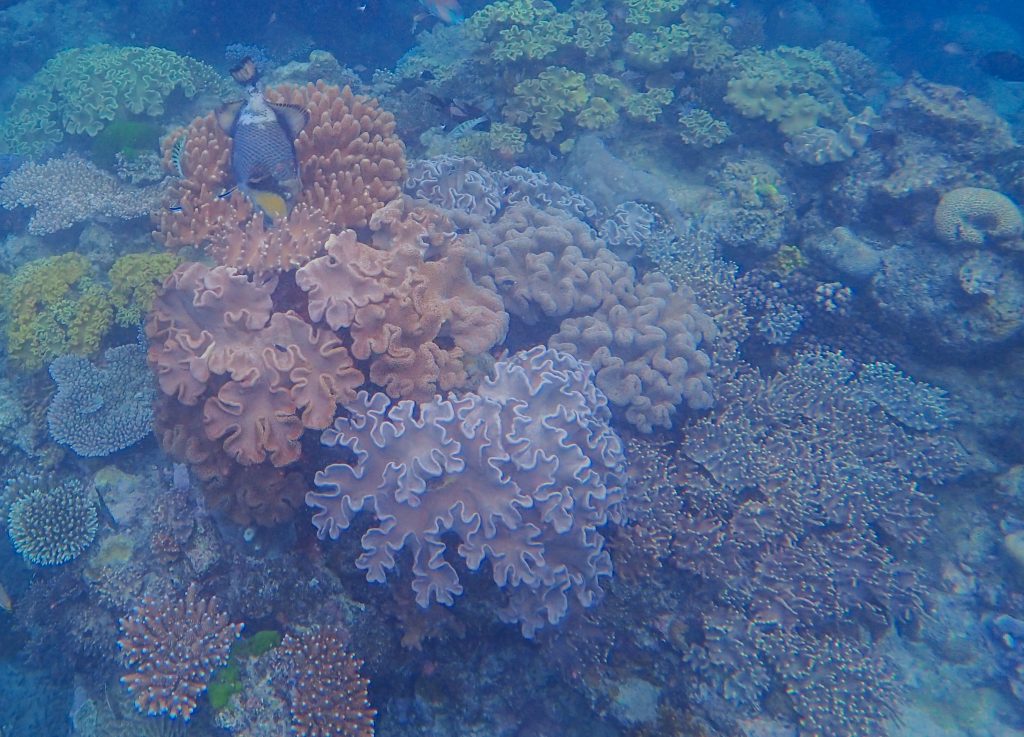
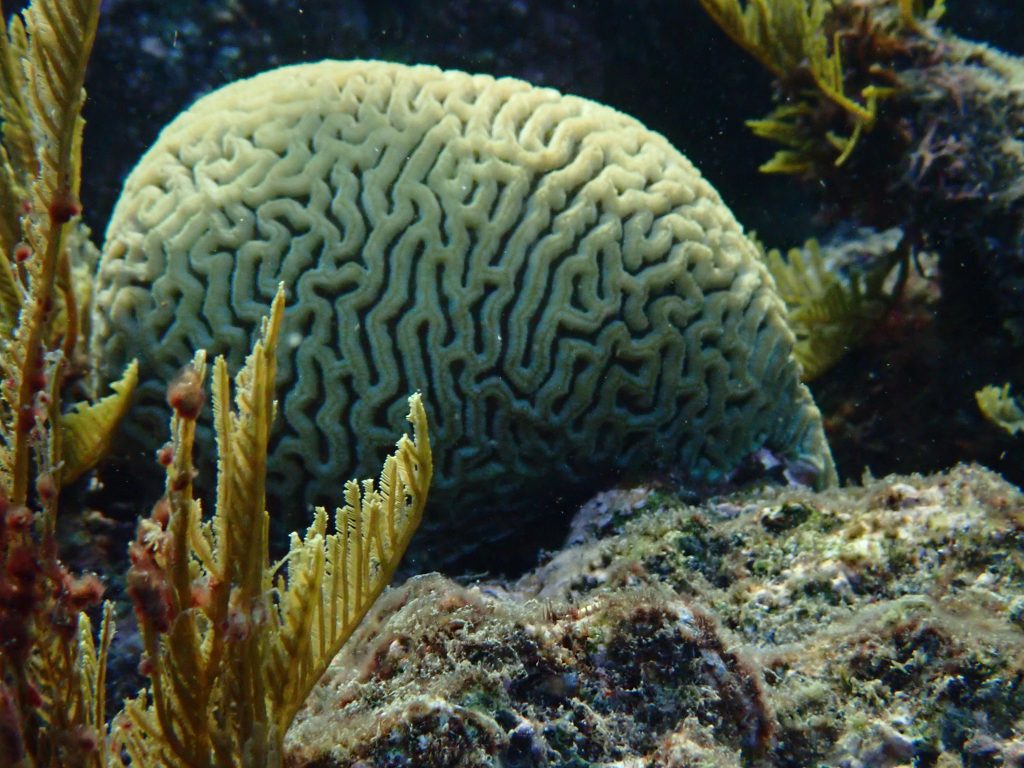
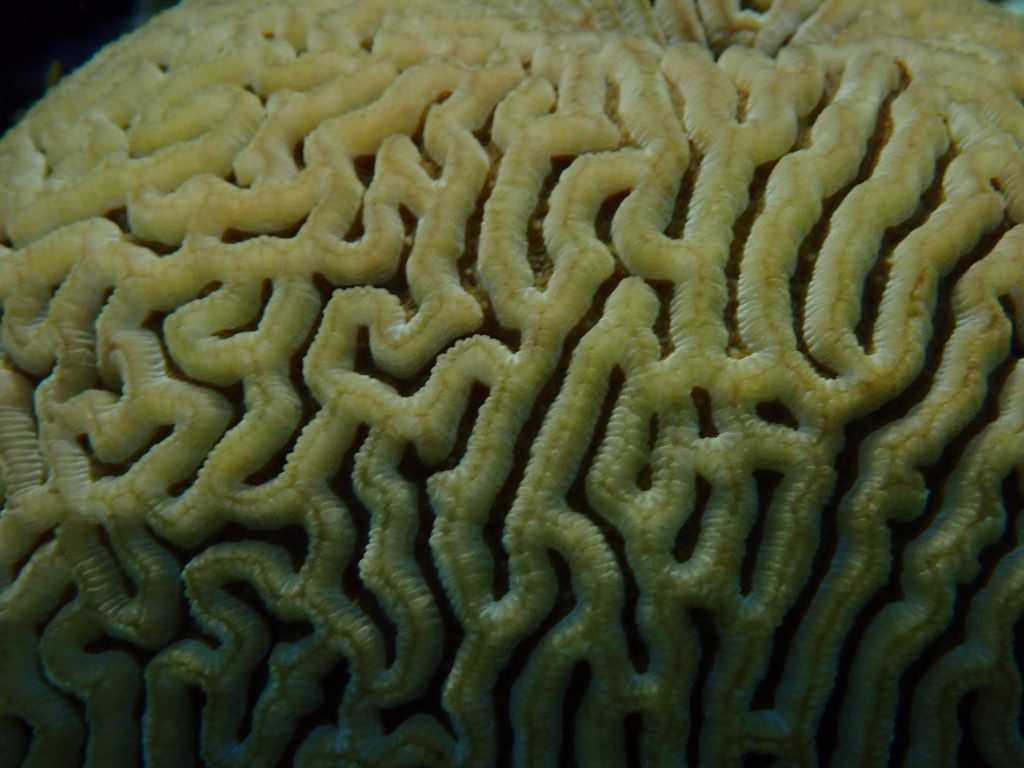
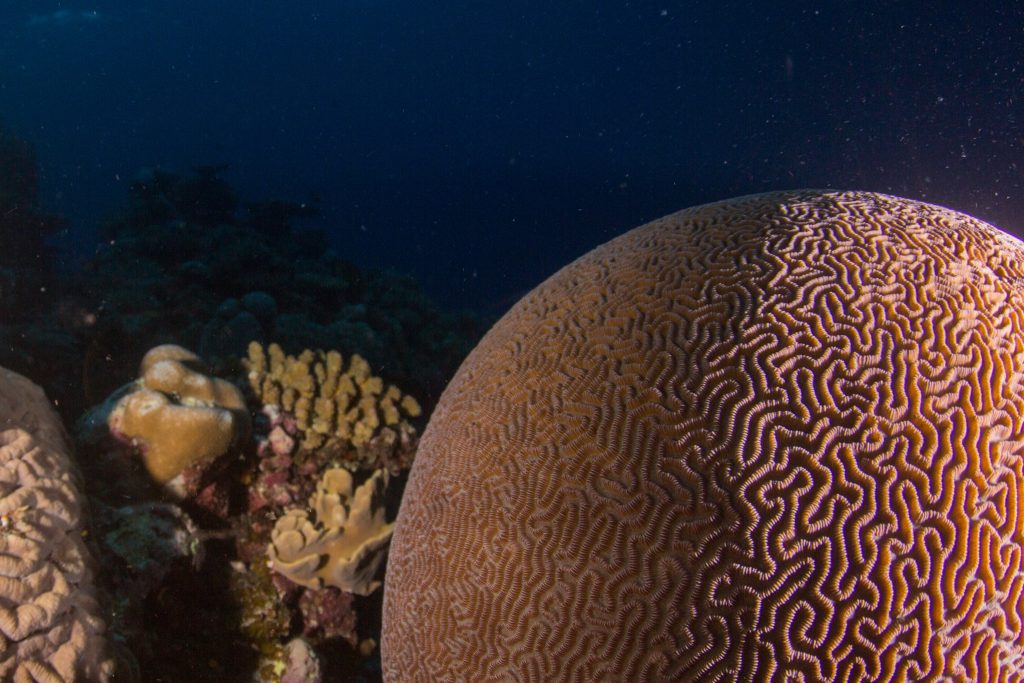
The corals were mostly various shades of beige, which is the colour of healthy corals.
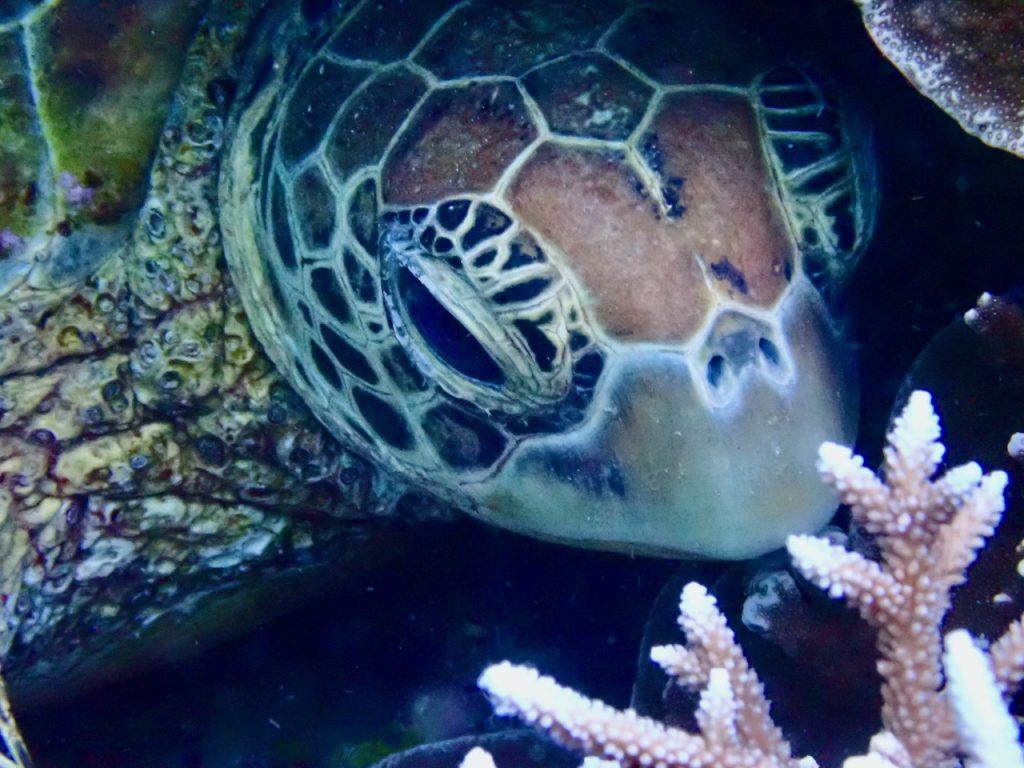
The fish were much more brightly coloured than the corals, and so cheeky. A big difference between wandering through a forest versus snorkelling over corals is that the fish are often ‘in your face’.
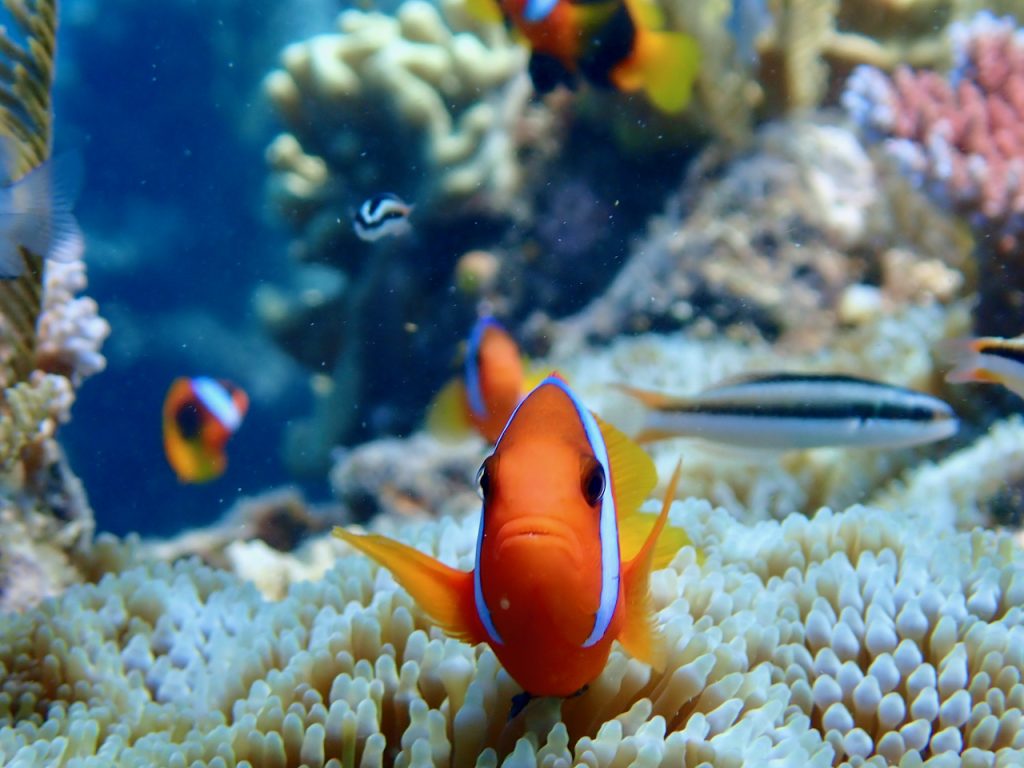
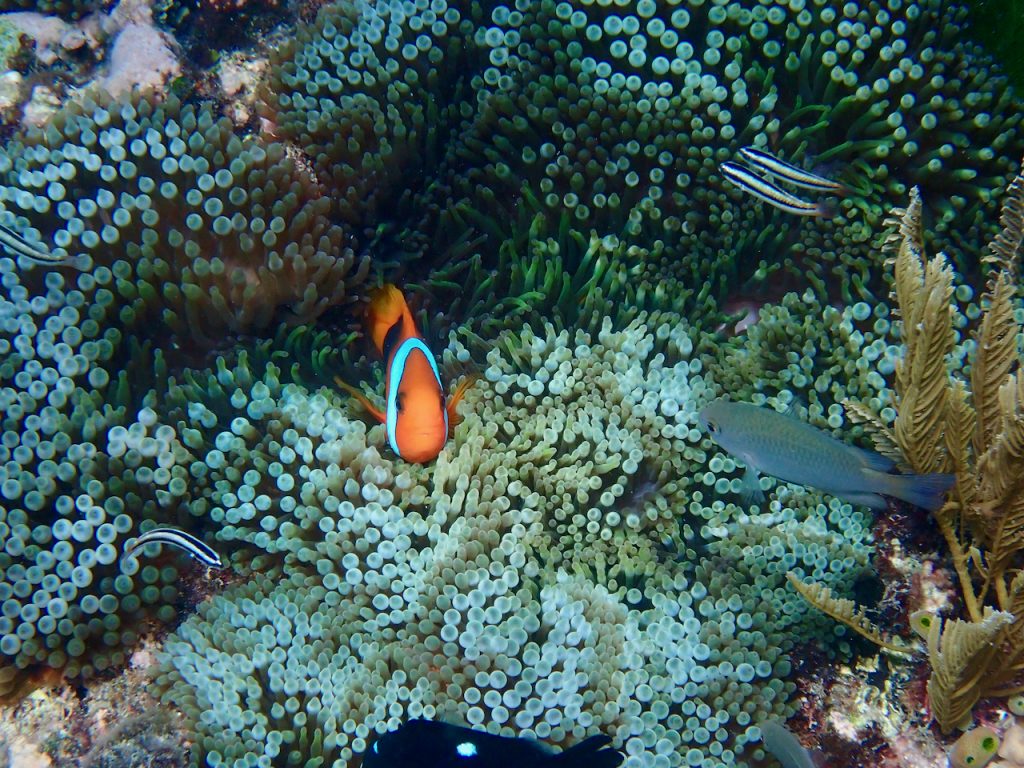
Clown fish will greet you head on.
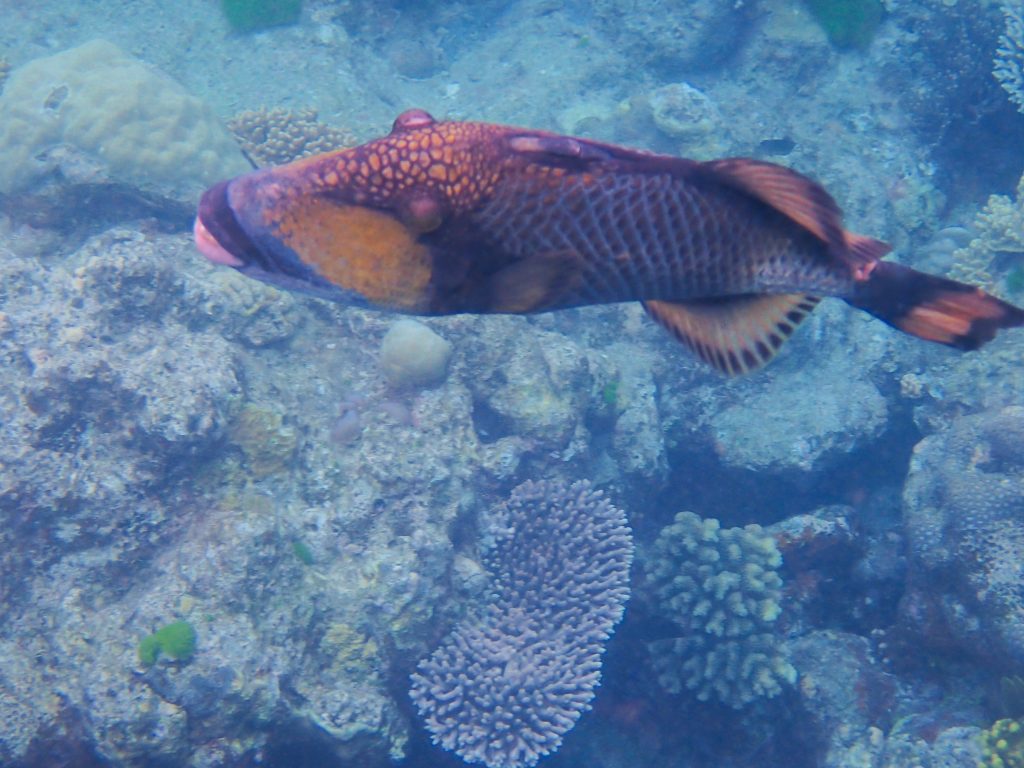
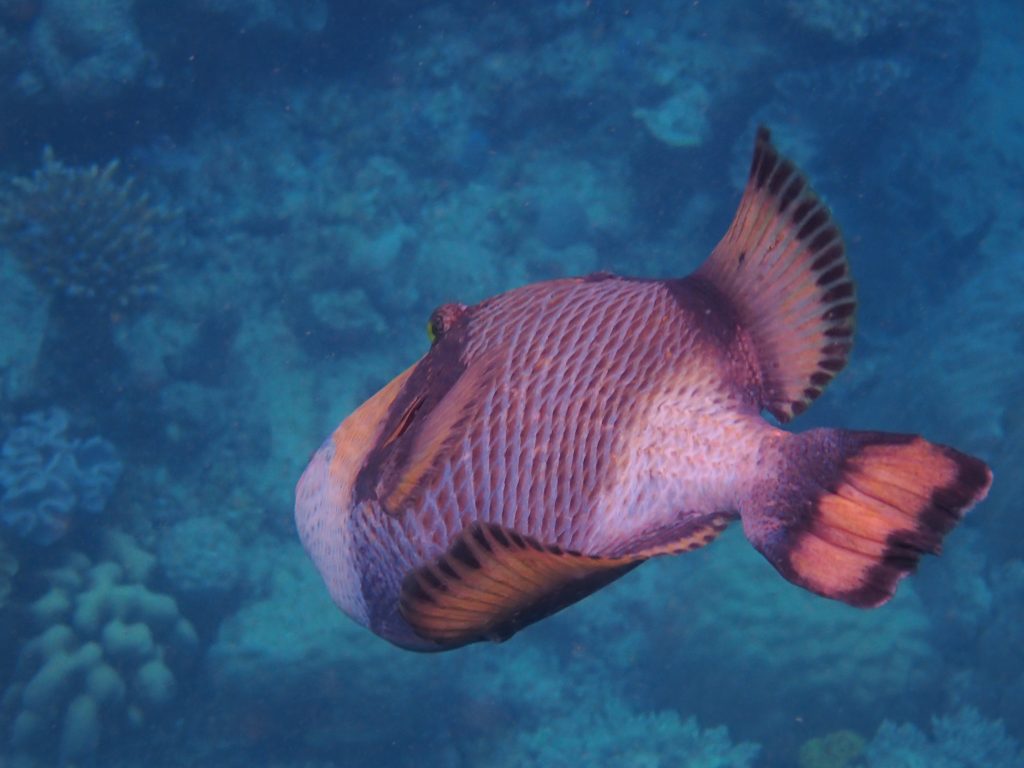
Trigger fish are usually territorial and quite shy. Except at Norman reef, even the Trigger fish came over to greet me on Saturday morning.
My daughter Caroline was my free diving buddy for the few days we spent in and out of the water.
Caroline’s favourites are the parrot fish: brightly coloured and with a beak (instead of teeth) that they use to various bite into little corals or scrape from the surface of large bolder corals.
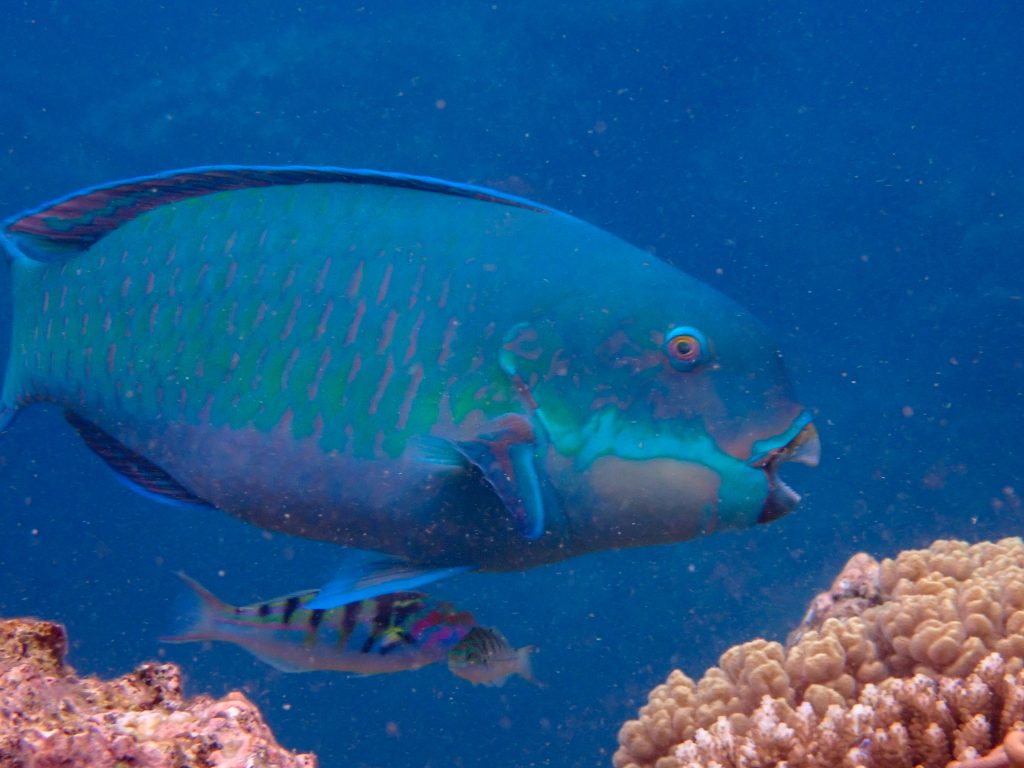
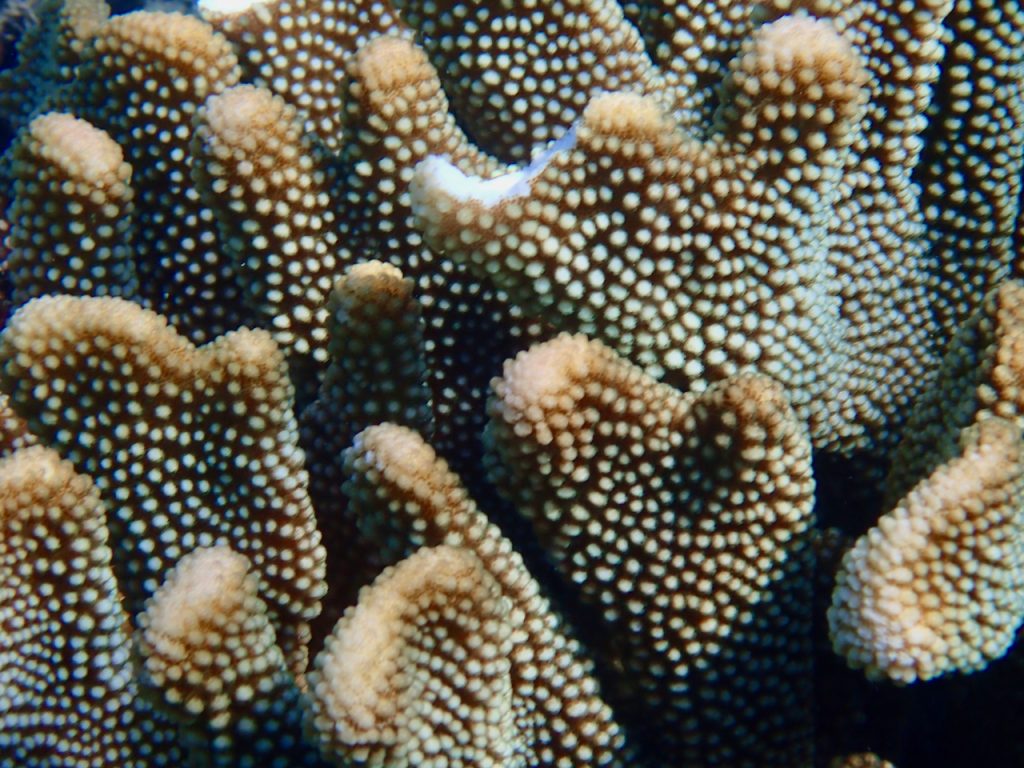
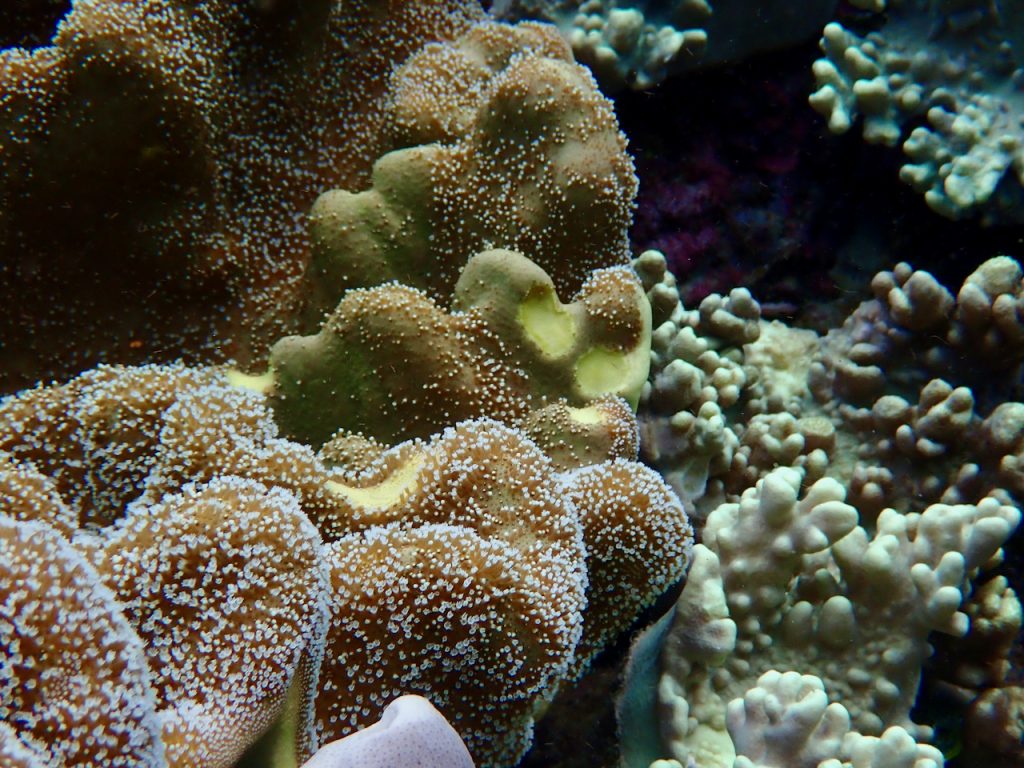
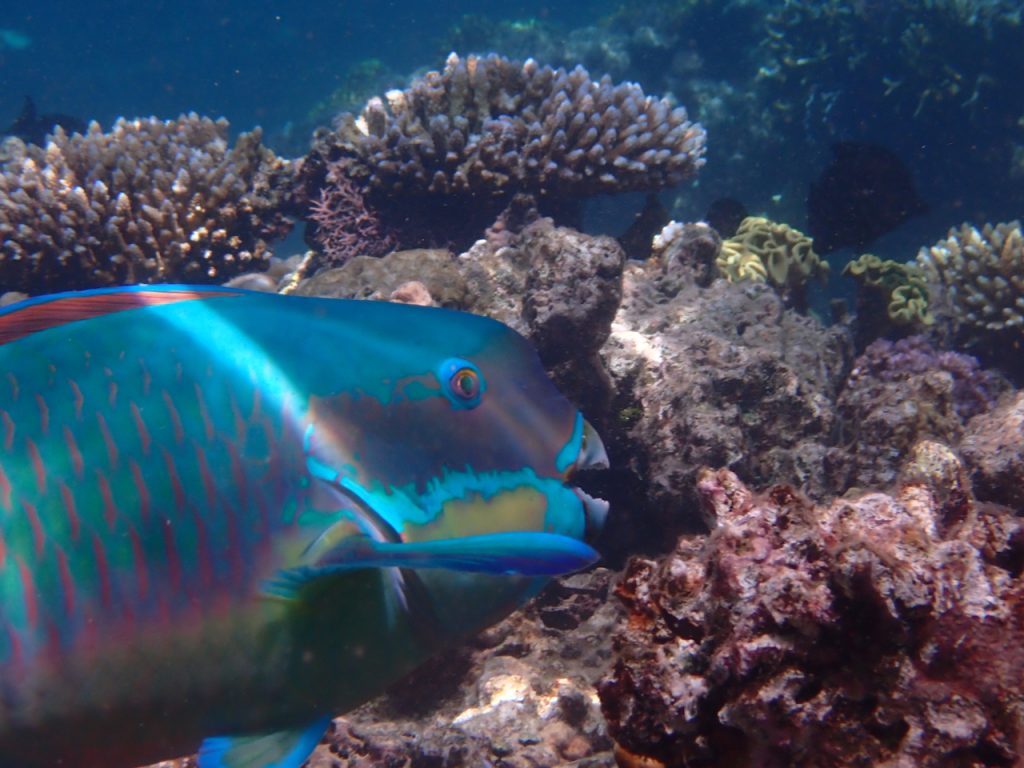
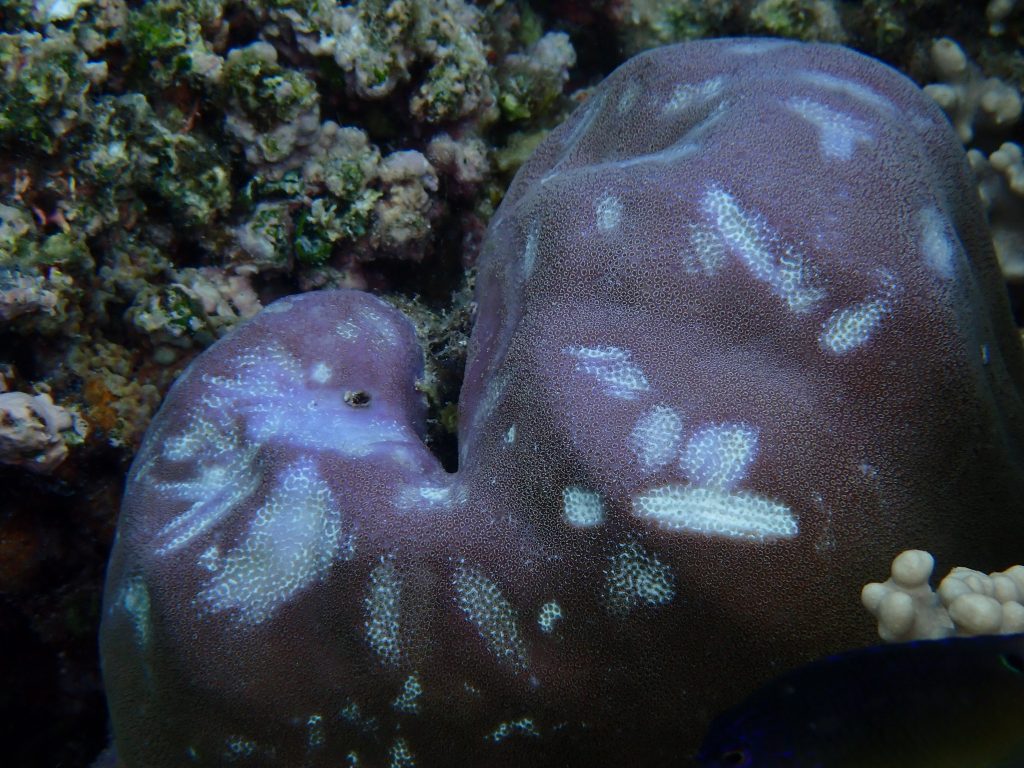
A Bumphead parrot fish will feed on about 5 tonnes of live coral in a single year. They often hang around in groups of about 30, with that one cluster all up consuming much more coral than the entire live export coral trade takes each year from the Great Barrier Reef. In short, these fish have bellies full of coral – lots of coral.
I’ve watched them, not last weekend, but at Bougainville Reef, far to the northeast, like buffalo across an open plain: kicking up the dust – except it was sand. And eating the grass – except it was coral.
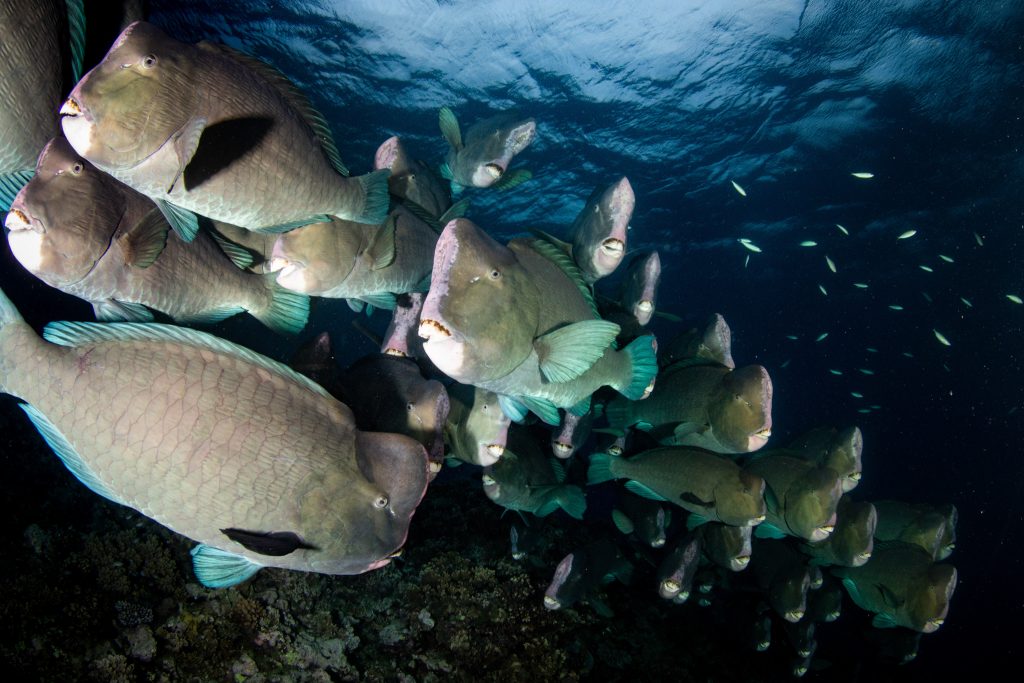
We live in an age that tends to promote empathy for victims above all else, so I am surprised there are not stories cancelling Parrot fish.
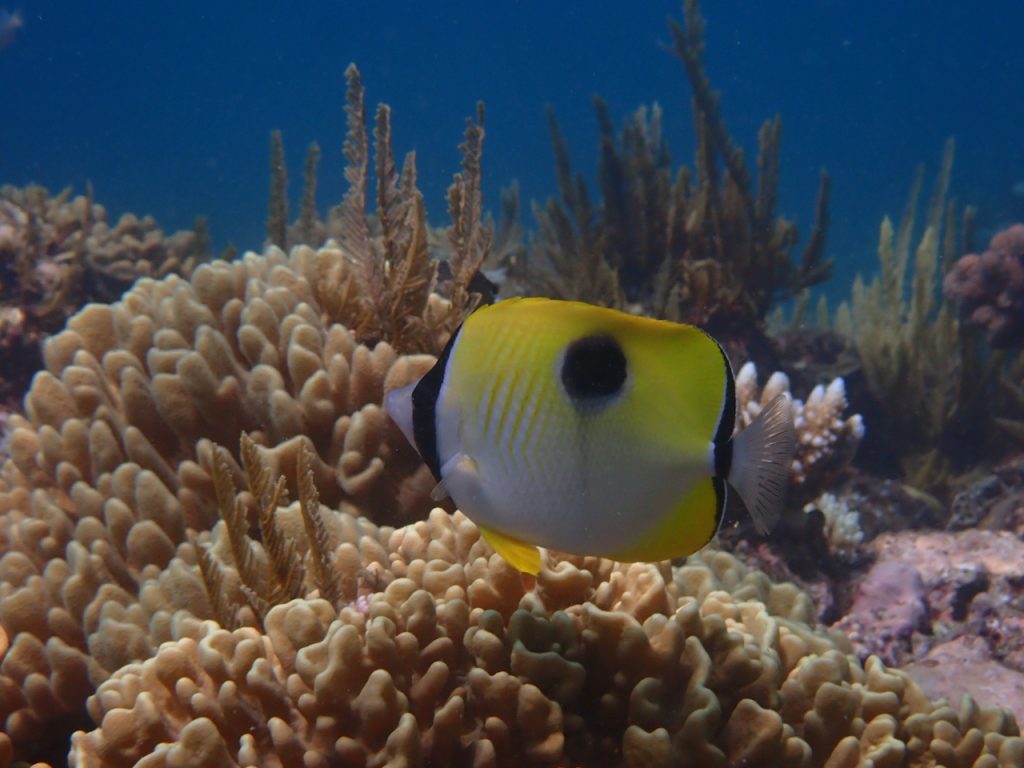
Worldwide, there are some 130 species of corallivorous fishes (fishes that consume live coral) from 11 different families, with Butterflyfishes (family Chaetodontidae) accounting for approximately half of all of these.
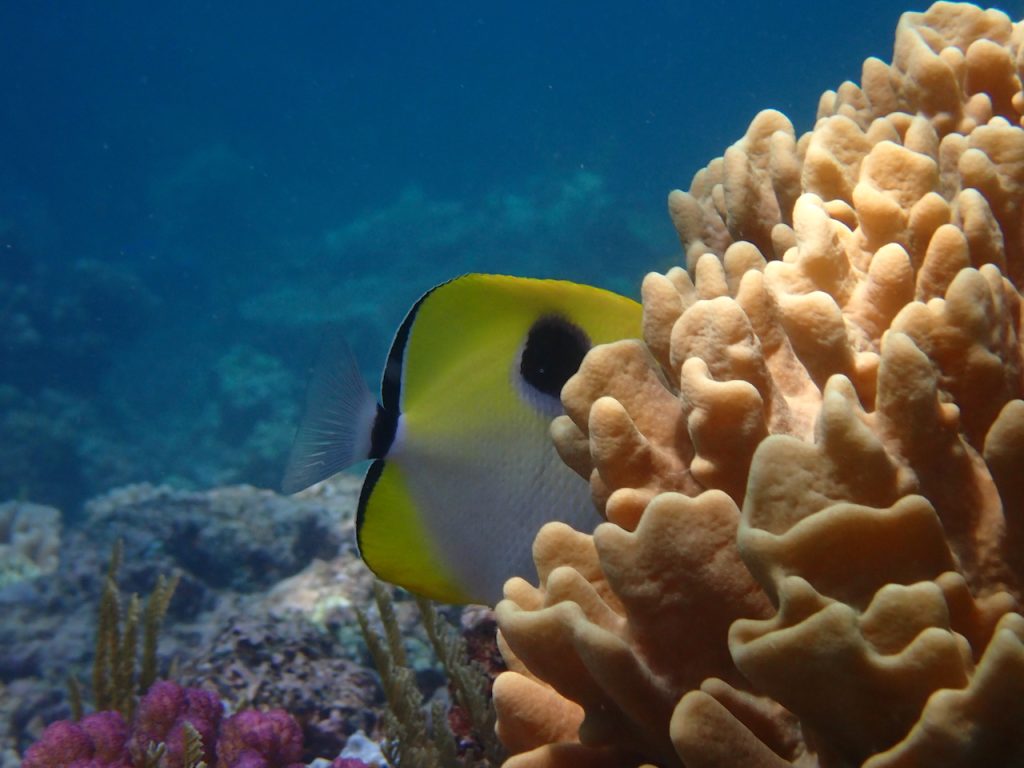
I have been visiting the coral reefs off Cairns for about 53 years now, since I was seven years old. Despite the claims they are dead and dying, I mostly still find healthy corals, cheeky fish, crystal clear warm water, blue skies and happy divers. It is a travesty that these reefs are so maligned by the righteous activists that hate coal mines. They exploit the concept of coral reef as victim to promote anxiety amongst children.
****
Notes about the reef mafia and funding to save what doesn’t need saving:
via Jennifer Marohasy
April 4, 2023 at 05:01PM

