Month: September 2023

Claim: Climate Change is Causing Floods and “Flash Droughts”

Essay by Eric Worrall

According to University of Melbourne academics, climate change is disrupting rainfall and affecting farmers. But strangely this alleged disruption isn’t showing up in global food production statistics.

Faster disaster: climate change fuels ‘flash droughts’, intense downpours and storms

Published: September 12, 2023 4.59pm AEST

Andrew King Senior Lecturer in Climate Science, The University of Melbourne
Andrew Dowdy Principal research scientist, The University of Melbourne

The run of extreme weather events around the world seems to be never-ending. After the northern summer of extreme heat and disastrous fires, we’ve seen more exceptional autumn weather over Europe with record-breaking heat in the UK. 

Meanwhile, record-breaking rain and intense flash floods struck Greece before the same storm devastated Libya, with thousands dead. 

Almost 20% of Africa is estimated to be in drought, and drought conditions are returning to parts of Australia. To top it off, we’ve seen several hurricanes intensify unusually quickly in the Atlantic.

We know climate change underpins some of the more extreme weather we’re seeing. But is it also pushing these extreme events to happen faster? 

The answer? Generally, yes. Here’s how.

Flash droughts

We usually think of droughts as slowly evolving extreme events which take months to form. 

But that’s no longer a given. We’ve seen some recent droughts develop unexpectedly quickly, giving rise to the phrase “flash drought”. 

Flash droughts tend to be short, so they don’t tend to cause the major water shortages or dry river beds we’ve seen during long droughts in parts of Australia and South Africa, for example. But they can cause real problems for farmers. Farmers in parts of eastern Australia are already grappling with the sudden return of drought after three years of rainy La Niña conditions. 

As we continue to warm the planet, we’ll see more flash droughts and more intense ones. That’s because dry conditions will more often coincide with higher temperatures as relative humidity falls across many land regions.

Read more: https://theconversation.com/faster-disaster-climate-change-fuels-flash-droughts-intense-downpours-and-storms-213242

The obviously solution to any drought is to pipe in more water.

South Africa is on the brink of being a failed state, and Libya is a militia trouble spot, so it is no mystery why those countries are having trouble managing national water supplies.

But there is no such excuse for Australia’s lack of investment in water.

For example, in 2018 the ABC reported the CSIRO has surveyed 3 major river systems which could provide an enormous increase in available agricultural water. But so far these detailed plans have seen very little action – Aussie state and federal governments are too busy frittering all their spare cash on green fantasies, renewable grid upgrades and pumped hydro schemes.

If the scientists are right, and “flash droughts” become a problem, I would suggest better water infrastructure is a higher priority than green energy fantasies. But I’m not losing any sleep over their prediction, given the complete lack of evidence that adverse growing conditions are impacting yields in the agriculture sector.

via Watts Up With That?

https://ift.tt/zOHe80K

September 14, 2023 at 12:06AM

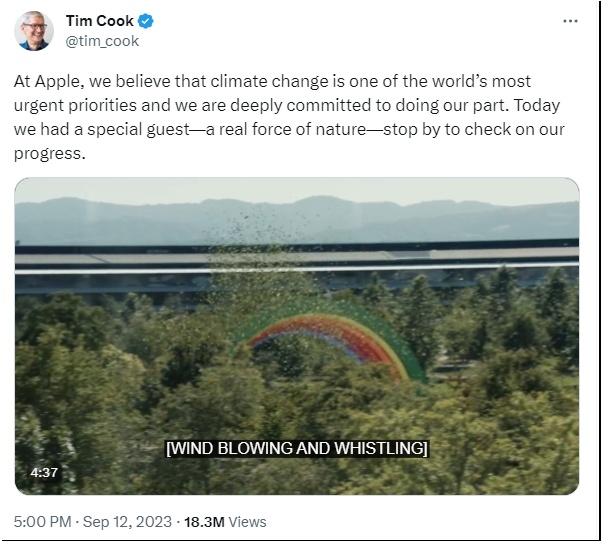
Urgent Priorities At Apple

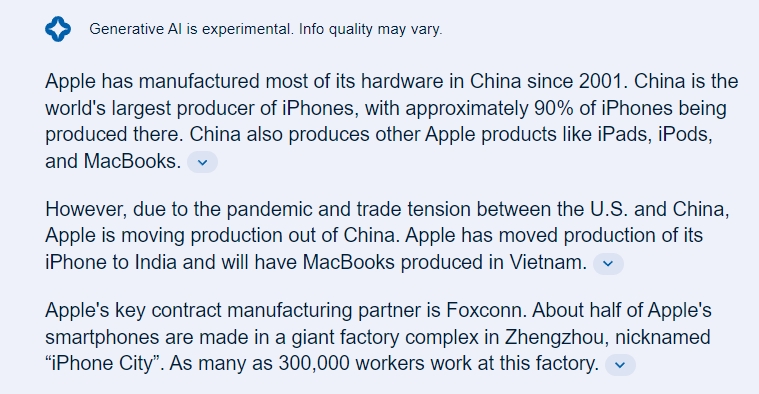
Apple does their manufacturing in Asia, so they can use very low cost labor and pretend they care about social justice and CO2 emissions.

5:00 PM · Sep 12, 2023·

Annual CO₂ emissions

via Real Climate Science

https://ift.tt/ELbFWeI

September 13, 2023 at 09:22PM

Saving San Francisco From Sea Level Rise

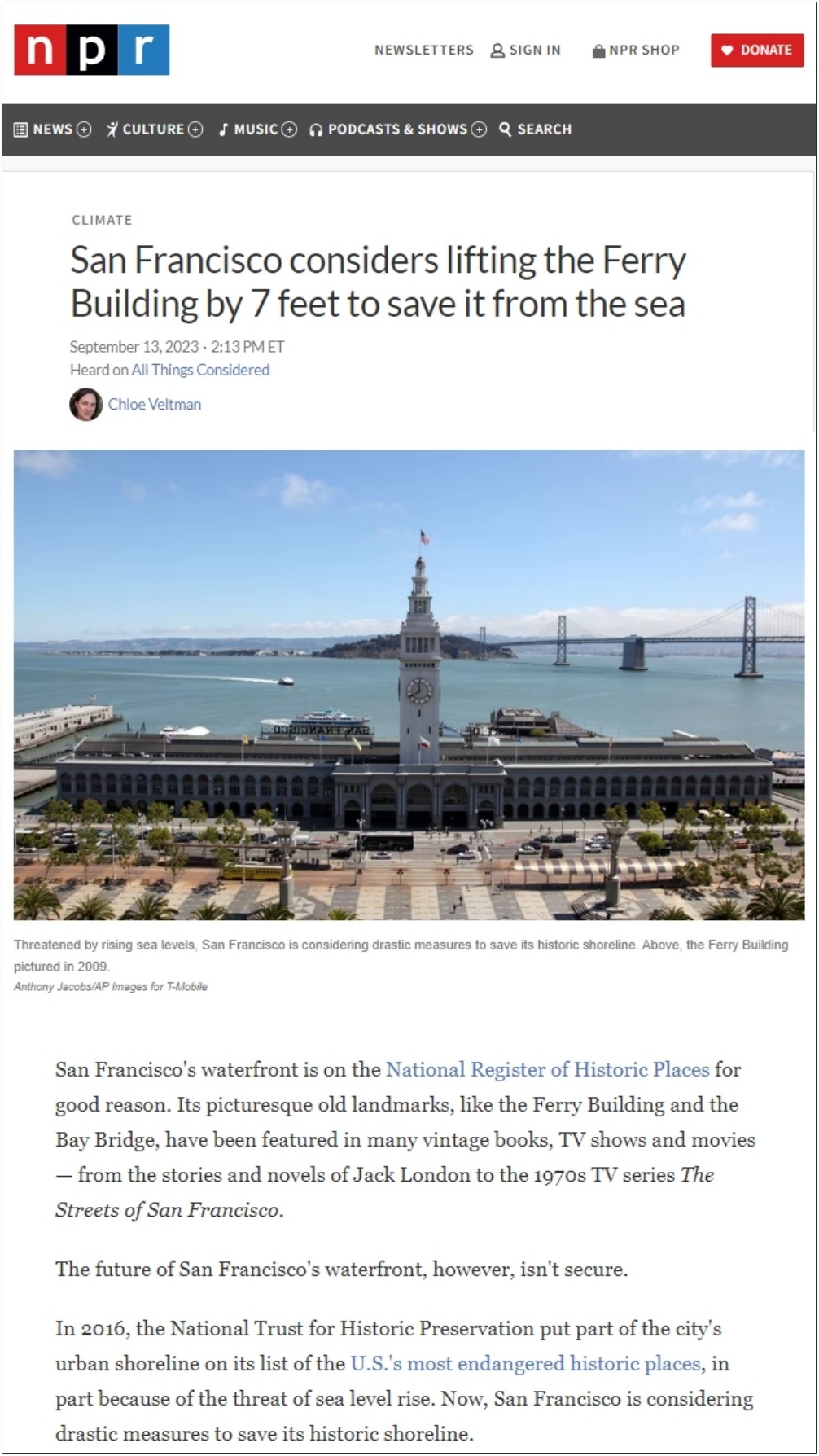
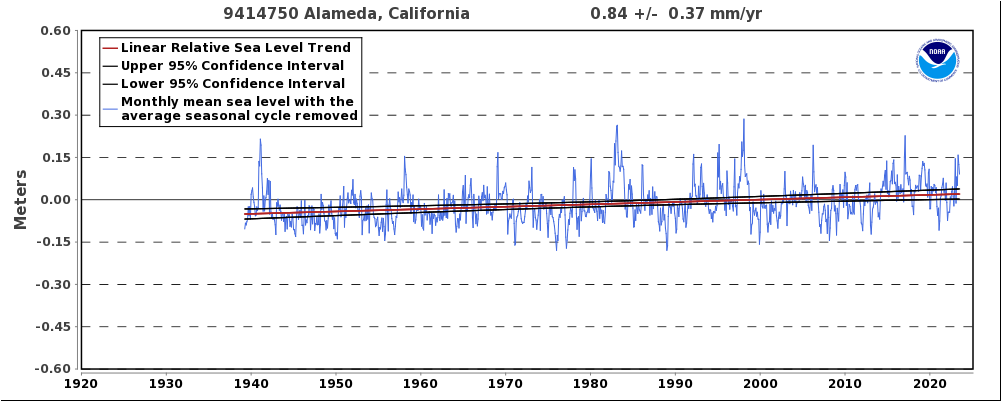
There has been little or no sea level rise in the San Francisco Bay over the last 80 years, but the city of San Francisco wants to take drastic action to save the city from sea level rise

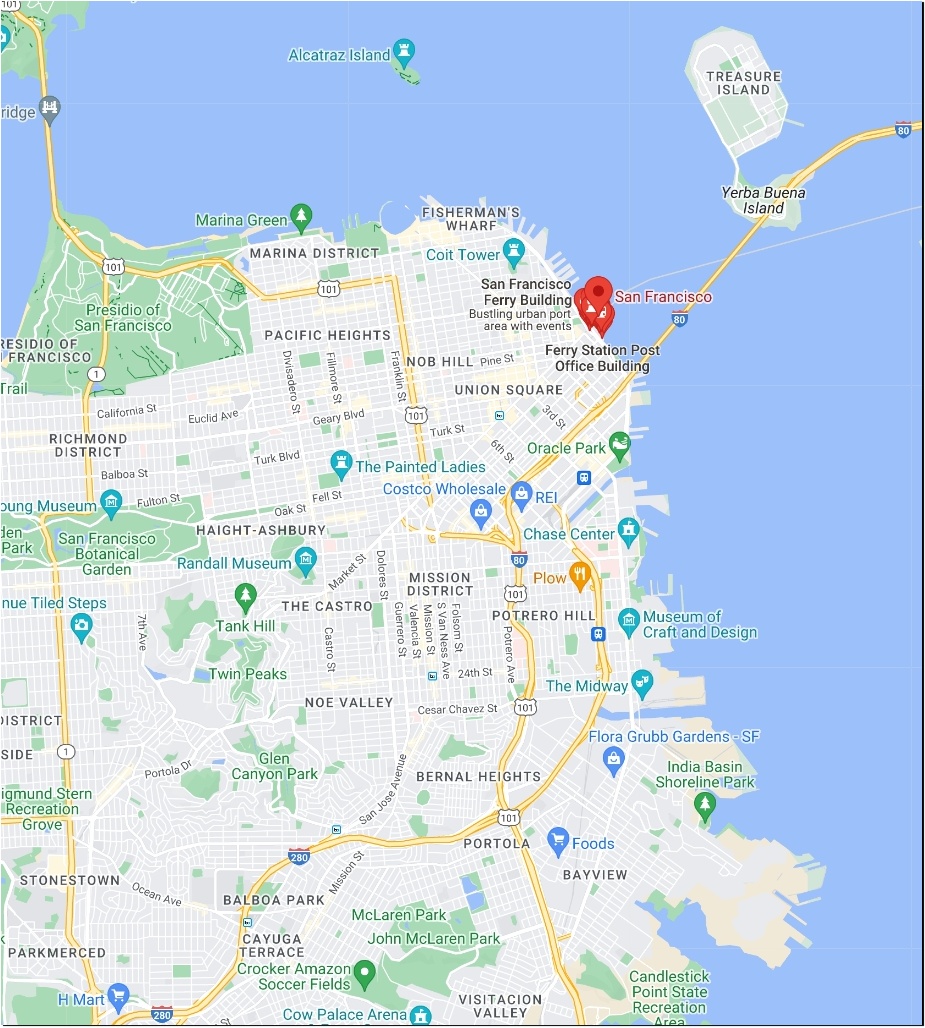
“San Francisco considers lifting the Ferry Building by 7 feet to save it from the sea”

San Francisco’s plan to save its historic shoreline from climate change : NPR

Sea Level Trends – NOAA Tides & Currents

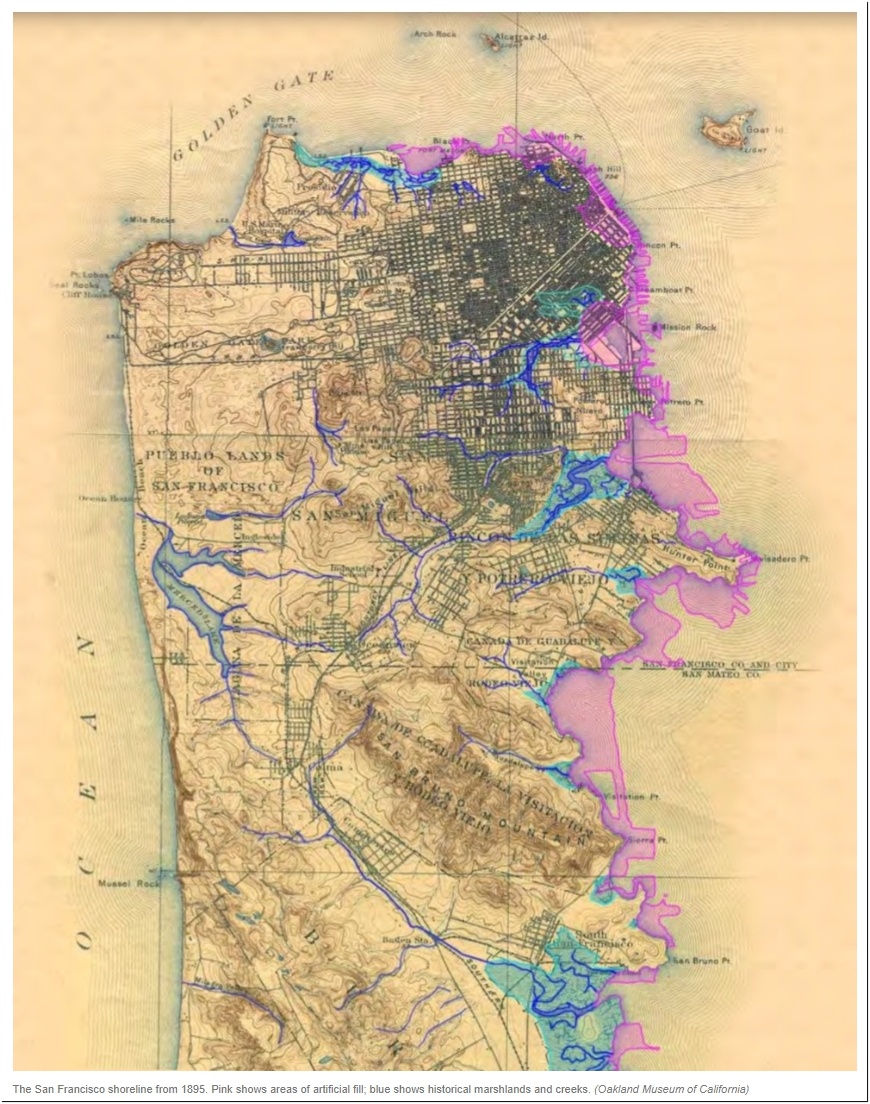
The Ferry Building is built on fill dirt, and may be sinking.

“The San Francisco shoreline from 1895. Pink shows areas of artificial fill; blue shows historical marshlands and creeks. (Oakland Museum of California)”

Large Parts of the Bay Area Are Built on Fill. Why and Where? | KQED

The shoreline hasn’t changed since 1938.

via Real Climate Science

https://ift.tt/Sw0pO5L

September 13, 2023 at 09:22PM

Don’t Hate the Player, Hate the Game: A Deep Dive into the Academic Publishing Business

Jessica Weinkle has written another excellent post on her Conflicted Substack that is definitely worth a full read. Here are a few comments and excerpts from her piece.

The Underbelly of Climate Change Science

She discusses the recent Pat Brown saga and his riveting essay in The Free Press and notes how Patrick Brown, a researcher at The Breakthrough Institute, unveils the inner workings of climate change science, particularly how research is often tailored with the end goal of publication in mind.

“In a remarkable essay at The Free Press, Patrick Brown, a researcher at The Breakthrough Institute, gave the world a lesson on how the sausage is made in headline stirring climate change science. Start the research with the publication outlet end in mind.”

https://jessicaweinkle.substack.com/p/dont-hate-the-player-hate-the-game

The Role of Elite Academic Journal

Elite academic journals, such as Nature, play a pivotal role in shaping societal understanding of knowledge. However, the editorial practices of these journals have come under scrutiny, revealing the challenges of gatekeeping and the influence of external pressures.

“The editorial practices of elite academic journals such as Nature, matter for how society understands the state of knowledge and how we relate to the world. On occasion matters arise that bring attention to the fraught activity of gatekeeping at the journal and its broader family of journals.”

The Science Wars of the 1990s

The 1990s witnessed a significant clash between positivists, who believed in an objective truth attainable through the scientific method, and relativists, who argued that people interpret science through their values, culture, and worldview.

“The 1990’s Science Wars was a highbrow conflict between positivists and relativists. Positivists working from the lens of an objective truth obtainable stepwise through the scientific method. Relativists worked from the lens that people make meaning of things including science through their values, culture, worldview, and relationships.”

The Business of Academic Publishing

Academic publishing, once a noble endeavor, has transformed into a lucrative business, with global revenues estimated to exceed $23 billion. The drive for sensationalism, as highlighted by Mark Zuckerberg’s insights into online content, has influenced academic journals to prioritize research that can generate attention-grabbing headlines.

“Mark Zuckerberg, King of Clicks, explains that what gets attention online is sensational information. In debating the line between allowable online content and that which is forbidden, no matter where we draw the lines for what is allowed, as a piece of content gets close to that line, people will engage with it more on average.”

The Quest for “Excellence” in Research

The pursuit of excellence in research has led to issues such as reproducibility, fraud, and homophily. This relentless chase for high standards has resulted in a stagnation of innovative ideas, with researchers producing work that may garner attention but lacks genuine impact.

“Chasing excellence keeps everyone humdrum and producing not so interesting things that make good headlines. But it also keeps them employed and their prestige value growing.”

The Role and Limitations of Peer Review

Peer review, a cornerstone of academic publishing, has evolved over the years. While it was not always a standard practice, it has become a hallmark of scientific legitimacy. However, many researchers argue that the current state of peer review is broken, serving as little more than a cursory check by a few individuals.

“Peer review is not regarded very highly by the many that have to go through it. Today, many researchers will share that peer review is simply broken. It does not mean much more than 2-4 other people looked over the work and didn’t lament any problems the editor deemed too serious. 

Is peer review important? Yes. Is it what it is made out to be in the current academic landscape? Perhaps not.”

In Conclusion

Brown makes it difficult to ignore the decades worth of abundant observations that mainstream climate change science is not just politicized, it is big business. And elite journals are in on it. 

Jessica Weinkle’s “Don’t Hate the Player, Hate the Game” serves as a timely reminder of the complexities and challenges of the academic publishing world. From the pressures faced by researchers to the commercialization of the publishing industry, the piece offers a comprehensive overview of the current landscape. As the academic community grapples with these issues, it is crucial to prioritize transparency, integrity, and the genuine pursuit of knowledge above all else.

The complete essay is definitely worth a read.

via Watts Up With That?

https://ift.tt/WmFiNVI

September 13, 2023 at 08:03PM