
I am often reminded of the Marcus Aurelius quote:
The object of life is not to be on the side of the majority, but to escape finding oneself on the side of the insane.
And so, I am feeling some relief since I made it crystal clear to everyone who reads me at Facebook and this blog, I made it very clear in my last post, that I do not and cannot subscribe to the Peter Ridd, Anthony Watts, Graham Lloyd and Joanne Nova claims of record coral cover at the Great Barrier Reef, CLICK HERE.
Marcus Aurelius was a Roman Emperor who ruled nearly two thousand years ago. He apparently, would begin each day by very consciously being grateful, being grateful to be alive. That is how I feel when I am underwater at the Great Barrier Reef – looking at the corals and the fish, up-close.
It is how I felt last Sunday afternoon on the second dive at Barren Island. What a privilege, I thought, living in a world with so much natural beauty. I am so grateful to be able to access this, to be able to witness this extraordinary beauty.
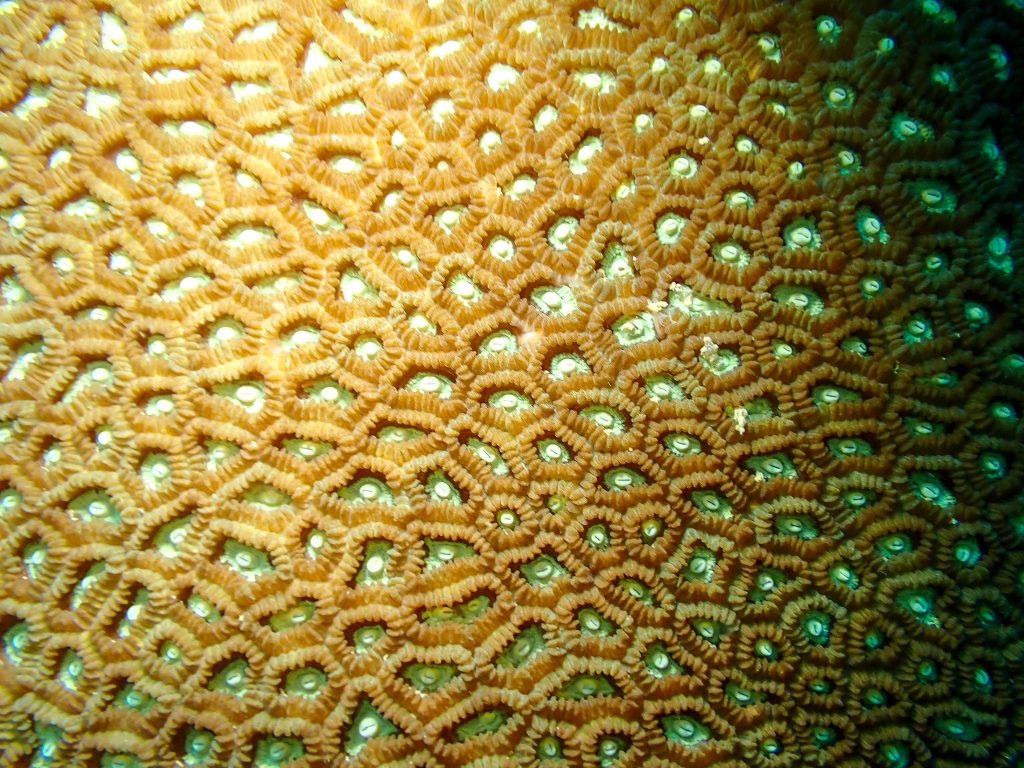
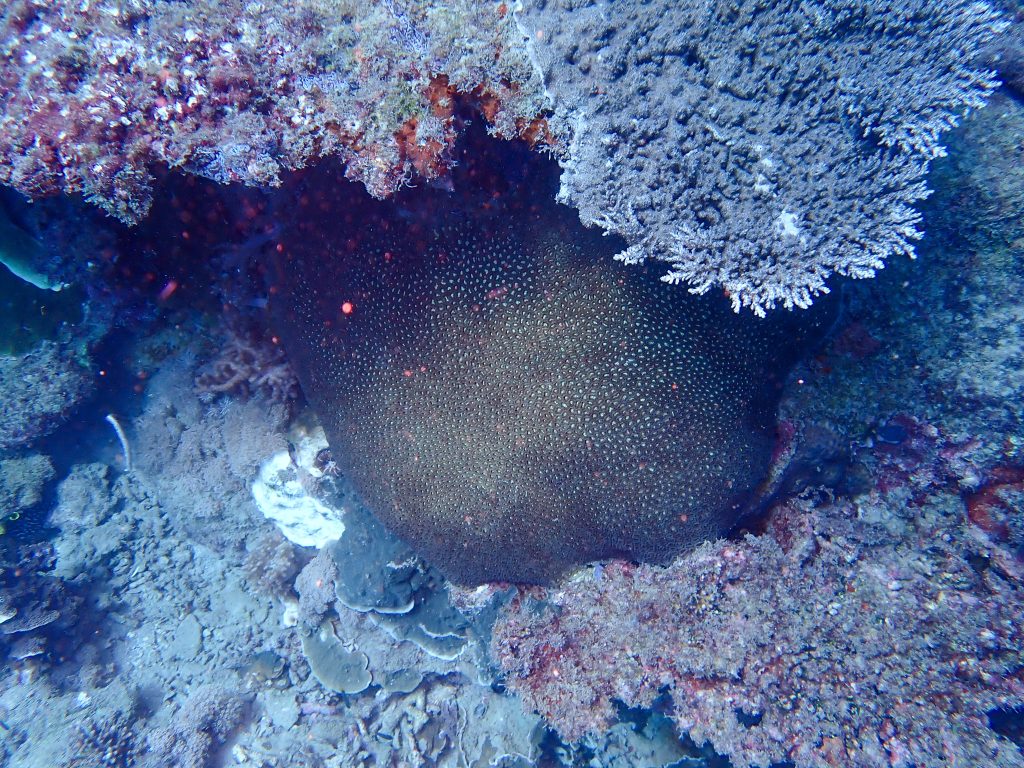
And so, it is not that I think the Great Barrier Reef is ruin – I just know as surely as the fog lifted at my local beach yesterday, that coral cover varies and it is a lie to claim record coral cover this year.
There was much more coral cover 2,000 years ago when sea levels were about 1.5 metres higher, and there was more of it last year before the very real coral bleaching that was widespread at the southern Great Barrier Reef, and before cyclone Jasper that affected the northern reefs, and cyclone Kirrily that impacted the central region.
If we are to ever understand the nature of life, and regeneration and what drives significant change at coral reefs, including changes in the distribution and abundance of coral and fish species, then we need to be better able to monitor changes in coral cover.
Just as sometimes it can be difficult to see across to Great Keppel Island because of the fog, visibility can also vary a lot underwater. So, any proper survey method, whether underwater or aerial, would need to consider this, and not just the setting on the camera. An accurate report of total coral cover would also to include the different habitats at most coral reefs, including of the reef crest. At the moment, for the last forty years, the Australian Institute of Marine Science in-water surveys have only been of the perimeters. I explained all of this in my last blog post.
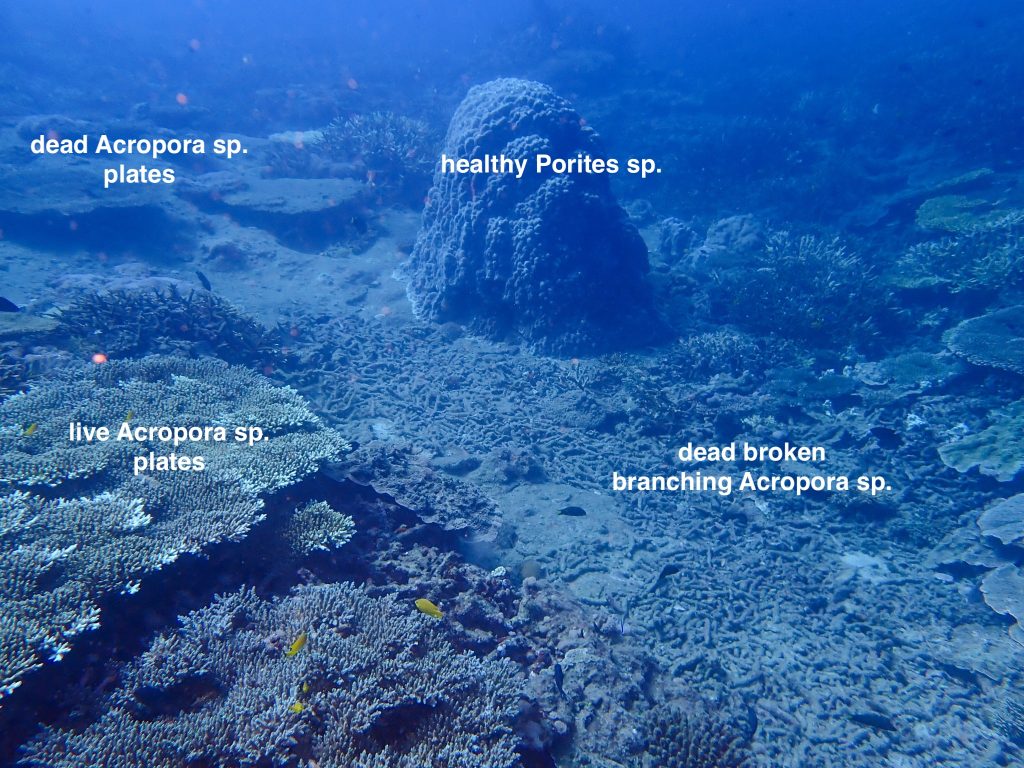
On Sunday afternoon, just last weekend visibility was perhaps 8 metres at the coral reef fringing Barren Island. The coral is down 10 metres, and from the surface it is impossible to know that the coral is even there. The sea was just a beautiful blue, and it appeared so deep. It wouldn’t matter what setting you had on your camera, from above he waves, whether at the surface or 150 metres in the air, you would not be able to see the extraordinary beauty that is Barren Island Reef.
After I stepped-off the boat just on midday and let all the air out of my buoyancy control device (BCD) and started to sink down to the bottom I saw so many corals.
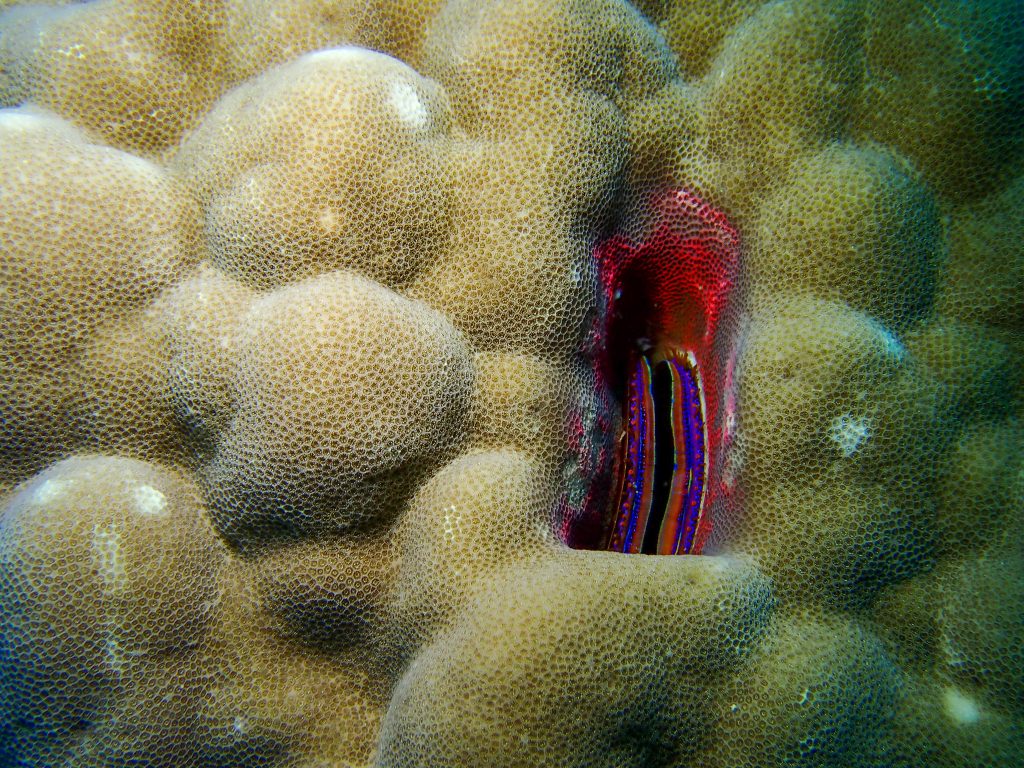
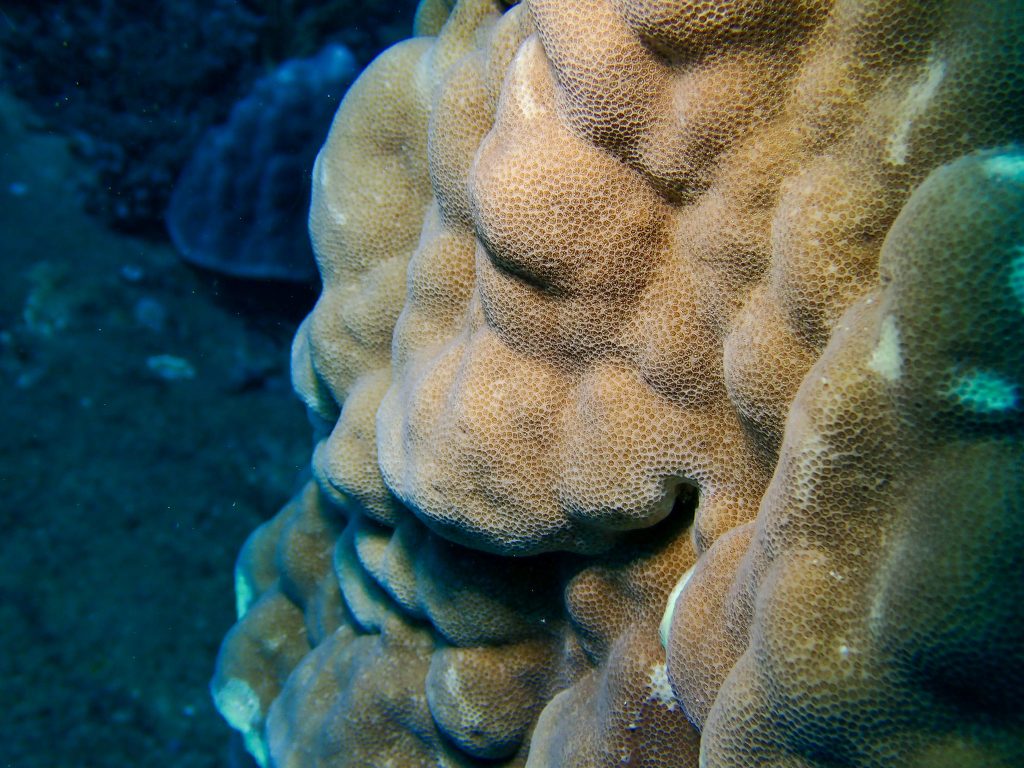
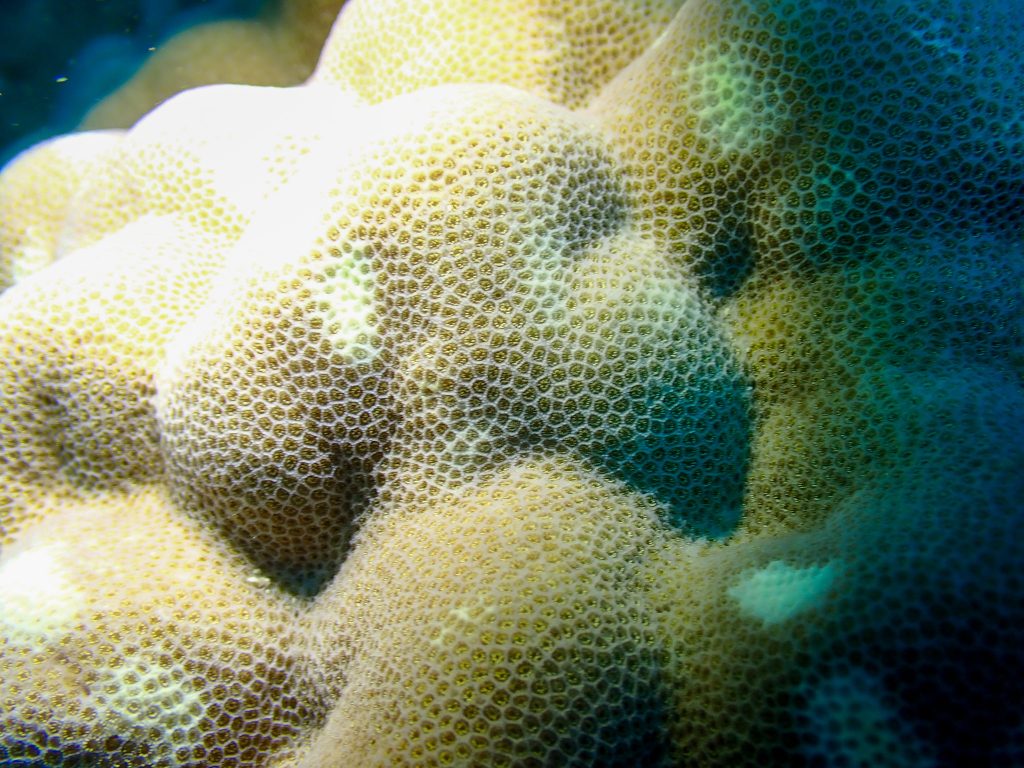
I have a photograph of the large Porites sp. From a distance it was a haze of blue – to know that it was healthy I needed to get up-close. Then I could see that it was very much alive.
*****
Part 1 of this series is here:
https://jennifermarohasy.com/2024/07/seeing-barren-island-corals-and-fish-part-1/
via Jennifer Marohasy
July 4, 2024 at 10:30PM
 Iowa Climate Science Education