Climatists’ Childish Reading of Polar Ice

Vijay Jayaraj  explains in his Cornwall Alliance article Climate-obsessives’ Infantile Reading of Polar Ice. Excerpts in italics with my bolds and added images.

Whenever “experts are shocked” they usually have marginalized or ignored altogether factors wrongly assumed to have no influence over their hypotheses, theories or beliefs.

Nowhere is this more evident than in climate science where changes in geophysical phenomenon continue to defy assumptions and forecasts presented by some of the most highly paid and influential scientists on the planet.

Among the most infamous examples is the failure of computer climate models to accurately predict real-world temperatures. This is predominantly due to the unscientific exaggeration of carbon dioxide’s (CO2’s) potency in warming the atmosphere.

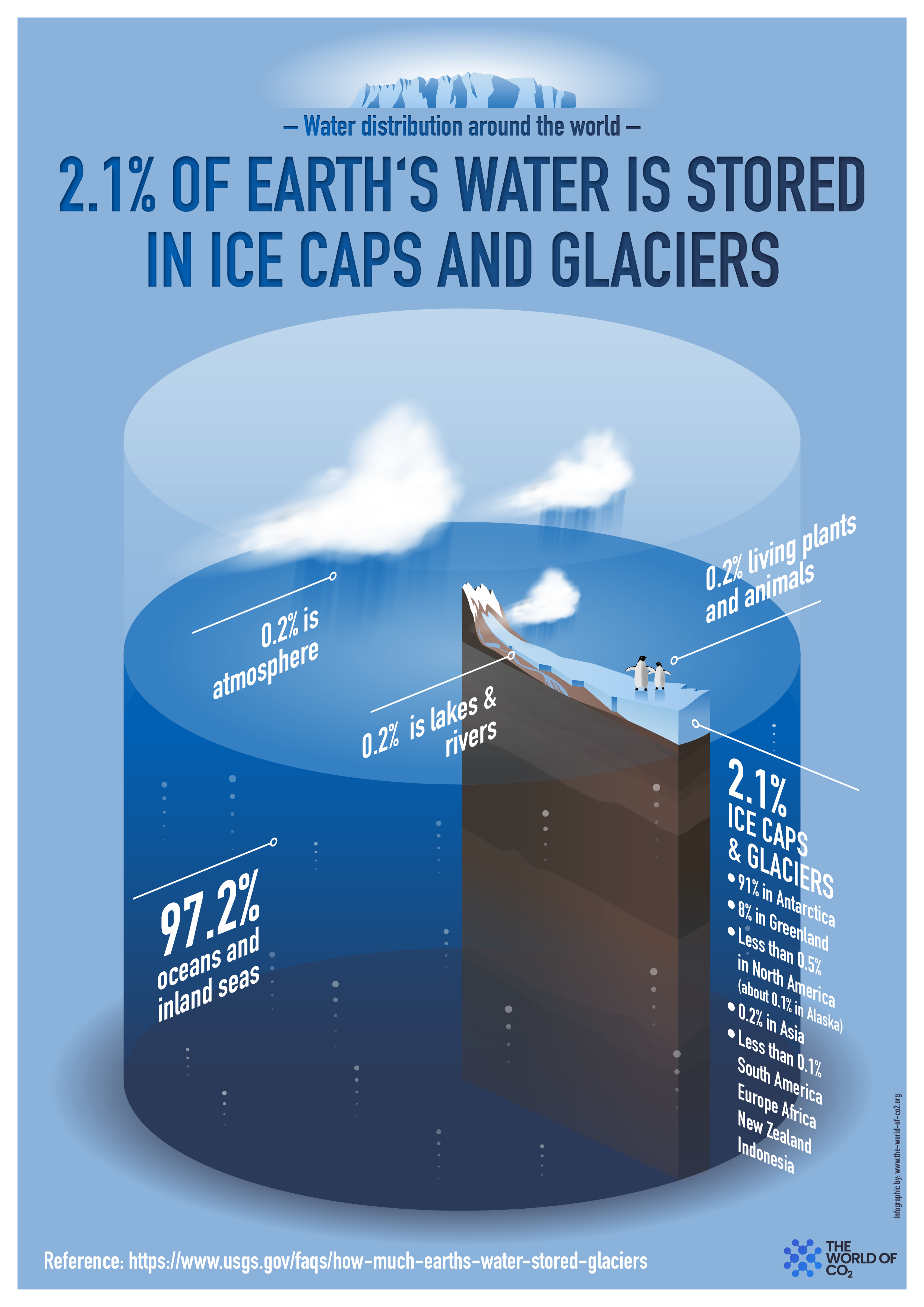
Now scientists have encountered more “shocks” as polar sea ice is refusing to behave as expected. Since September 1, 2024, an astonishing 579 billion tons of fresh snow and ice have blanketed the Greenland ice sheet, marking the most significant accumulation for that date in at least eight years—far surpassing the 1981-2010 average.
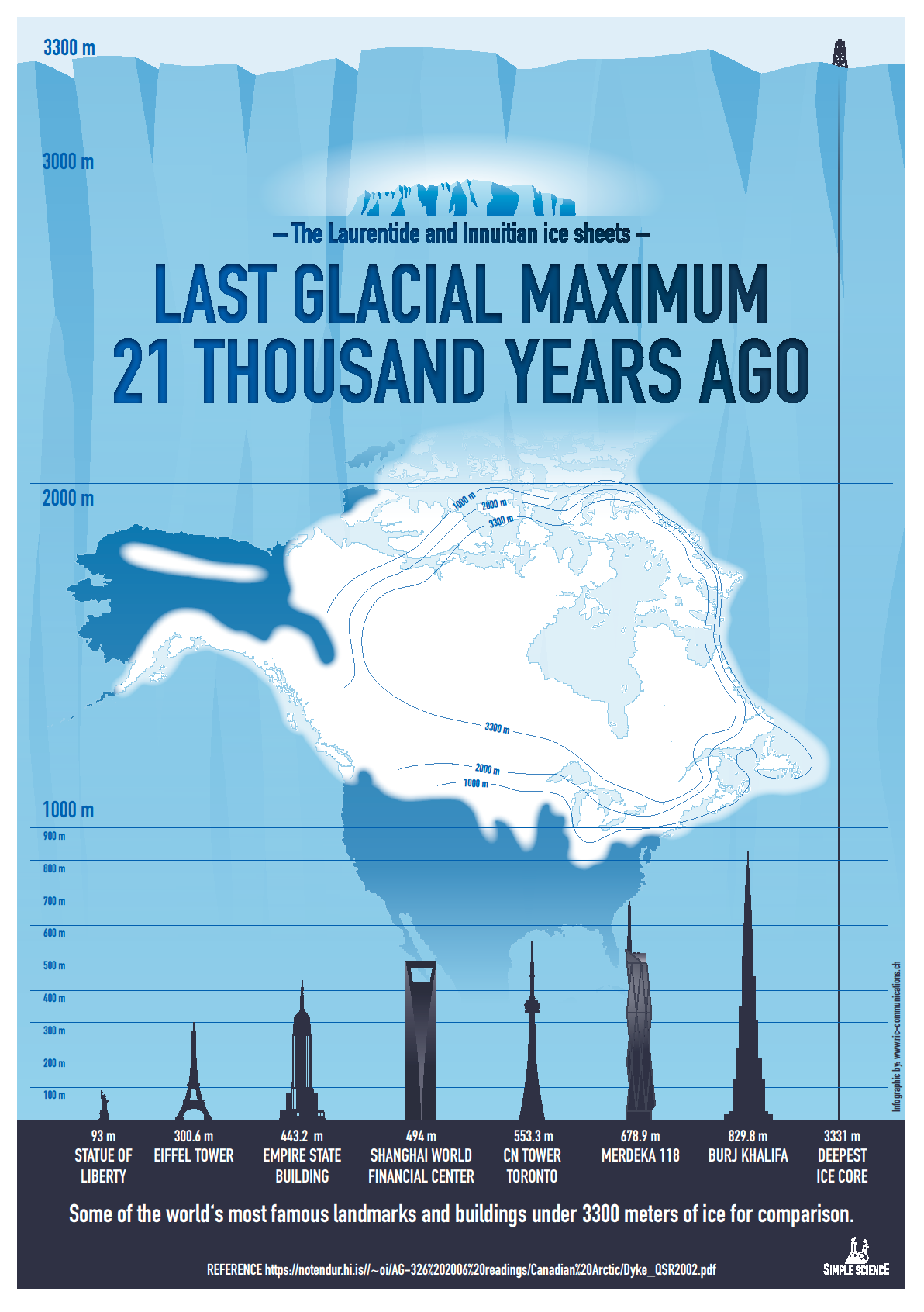
Meanwhile, both the North and South Poles are defying expectations, piling on more ice despite, as reported in hyperbolic headlines, “record-breaking” global heat. It’s a breathtaking, almost surreal twist in the story of our planet’s climate!

According to NASA, “Arctic sea ice reaches its minimum extent (the area in which satellite sensors show individual pixels to be at least 15% covered in ice) each September.”
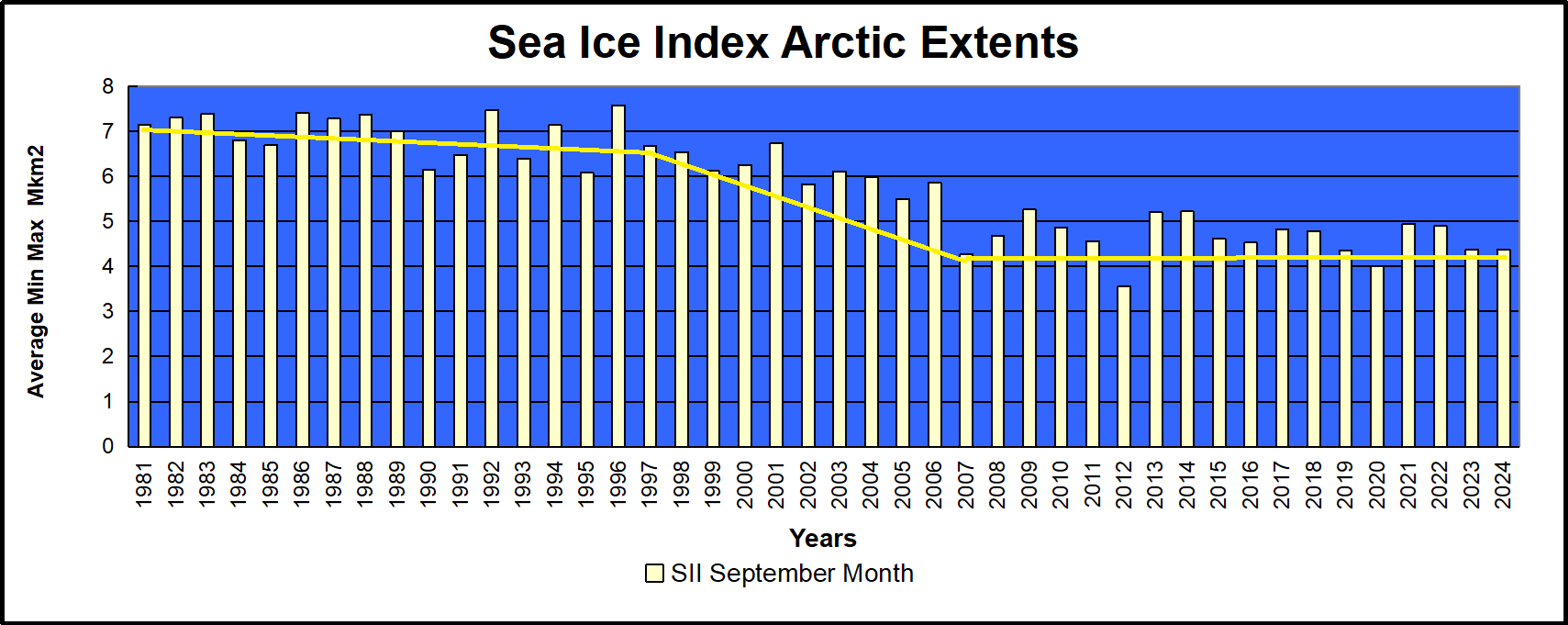
In the post-2010 era, the September minimum extent of Arctic sea ice occurred in 2012, which was also the lowest since satellite measurements began in 1980. But ever since 2012, ice has been increasing or oscillating well above that year’s mark.

Likewise, the volume of sea ice has not significantly dropped since 2012 and there has been a nominal increase in volume since a low point of 2020.

So, why is the minimum coverage of Arctic sea ice holding above the level of 2012?

One of the most obvious reasons could be that CO2 is not as powerful a temperature control knob as claimed, which is a possibility that many well-funded scientists refuse to even take into consideration.
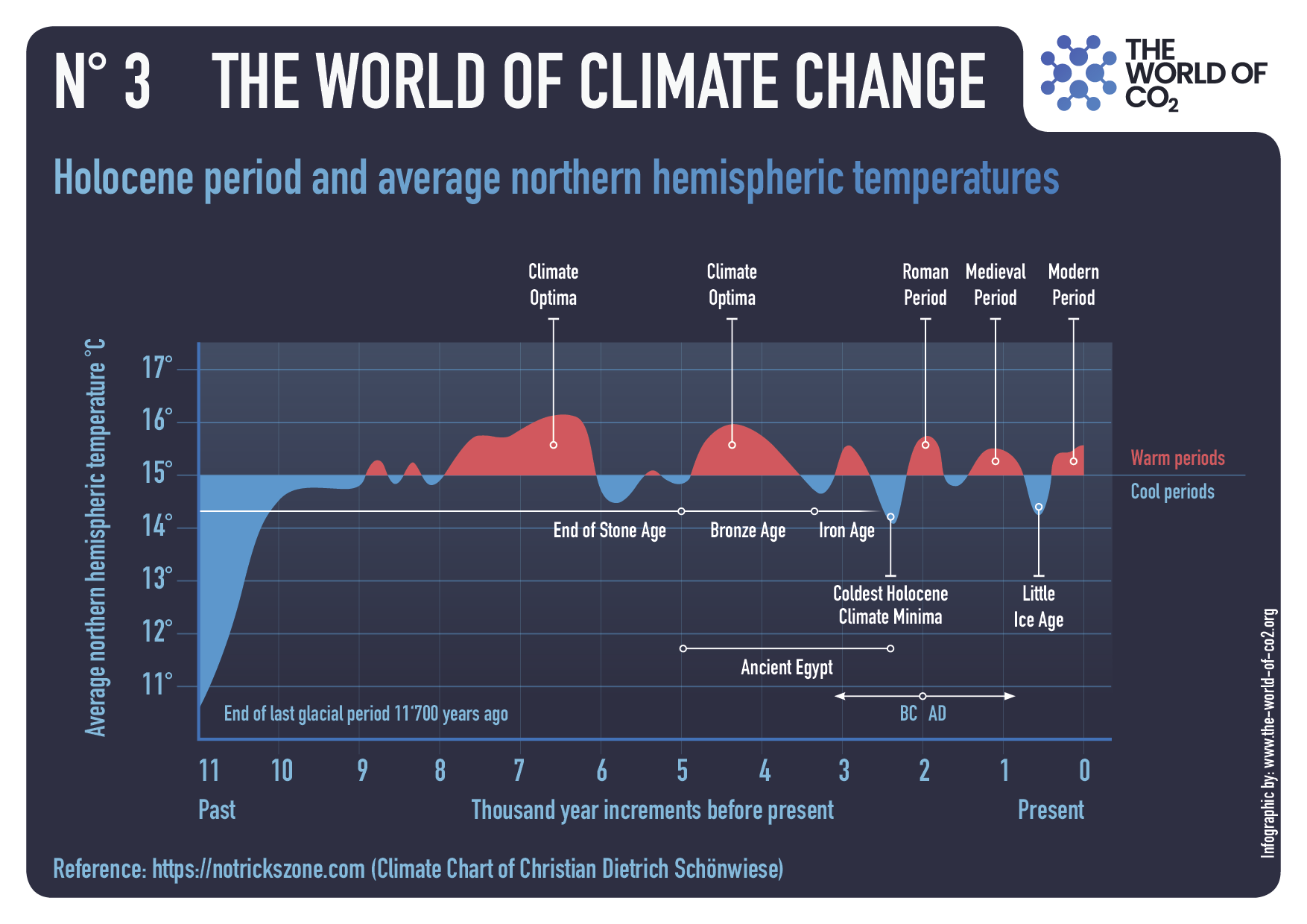
Also, remember that we are in the Holocene epoch, a warm geological phase between two glacial advances – one that ended about 10,000 years ago and the next expected to occur some number of thousand years hence. An upward tick in Arctic temperatures shouldn’t surprise us regardless of whether we emit CO2 or not. In fact, Arctic ice levels witnessed in the 17th century during the Little Ice Age were among the highest since continental glaciers blanketed Canada and extended into the lower 48 states to create the Great Lakes.

At one point, news media were abuzz with the unexpected gain in Antarctica’s ice mass. Antarctica gained ice from 2021 to 2023, with studies showing nearly 108 gigatons per year added, mainly due to increased snowfall in East Antarctica.
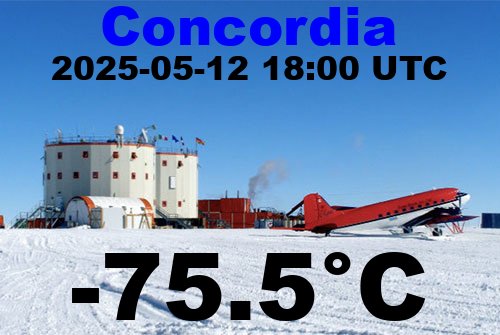
Data from Vostok and Concordia stations in East Antarctica indicate extremely cold temperatures in early May, with minimums of minus 106.6 degrees Fahrenheit at Concordia on May 12. With winter just beginning, the temperatures are likely to dive further.

As recently as 2023, Concordia station recorded one of its lowest temperatures for the current decade, a brutal minus 117.76 degrees. Similarly, at Western Antarctica’s Byrd Station, a likely all-time low of almost minus 50 degrees was recorded as recently as 2023. These numbers may be surprising, but they are in tune with the unpredictability of climate – and of nature in general. Let’s just admit it. Things are not as “straightforward” as crisis-obsessed scientists are making them out to be. The climate system is complex, and the science is not settled. Our understanding of climatic dynamics is in its infancy. And to suggest that changes –whatever the direction – in polar ice presage a catastrophe is infantile.
 

via Science Matters

https://ift.tt/JILMkyR

June 17, 2025 at 08:29PM

Big, Beautiful Coal Here for Many More Years Despite ‘Green’ Demonization

By Vijay Jayaraj

As a boy growing up beside India’s railway lines, I found magic in the metallic thunder of passing trains. Now and then, freight cars piled high with black coal would roll by. That same evening, our lights would flicker out.

There, I’d sit still in the hush of a powerless night, staring into the warm dark, wondering why electricity was so elusive. Hours earlier, the answer had clattered past: coal, in plain sight, yet out of reach.

At the time, India lacked its currently extensive coal mining and power generation facilities. Today, however, coal is the backbone of energy production, supplying over 70% of India’s electricity. The dark evenings of my childhood have been brightened.

Other developing countries have learned from China and India how coal jump-starts economies and lifts millions from poverty. Now, they too line up for their share of the fuel that sparked the Industrial Revolution.

Global coal production reached an all-time high of nearly 9 billion metric tons in 2024. Chinese and Indian output continued to grow, and Indonesia set export records.

India is on track to burn twice as much coal as the U.S. and Europe put together – possibly within the year – while China has already surged ahead, consuming 30% more coal than every other nation combined.

Growing by almost 12% in 2024, India’s production is projected to climb to over 1 billion metric tons in 2025 – a harvest that would exceed America’s peak in 2008.

This week, Adani Power invested $2 billion in a 1,500 megawatt, ultra-supercritical coal-fired power plant in India’s state of Uttar Pradesh to supply one of the most densely populated regions in the world.

Coal shipments to Southeast Asia are on a steady climb, with nations like Vietnam and the Philippines leading the demand. Annual imports across the region are projected to grow nearly 3%.

Rising production of South American crude steel will increase demand for metallurgical coal, which is converted to the coke required to make steel from iron. The continent produced 3.7 million metric tons of steel in March, up 6.5 percent from a year earlier, with Brazil contributing nearly 80% of the total.

With African energy production on the rise, South Africa remains the continent’s largest coal producer and consumer. State power utility Eskom uses coal to generate more than 70% of its electricity and recently added 800 megawatts of capacity to help stabilize the power grid.

Zambia and Zimbabwe are restarting coal-fired plants and advancing new coal projects to improve their energy security amidst power crises. Zambia’s largest coal mine, Maamba Collieries, is slated for an expansion.

Even the U.K. government, while still parading its “net zero” credentials, is, nonetheless, procuring coking coal to keep British Steel alive in Scunthorpe. The U.K. may import the fuel from Japan or Australia, presumably because mining coal from Britain’s indigenous deposits is more scandalous than the hypocrisy of its absurd climate policy.

In the U.S., President Trump has prioritized coal under a new executive order, fast-tracking projects like Warrior Met’s Blue Creek mine in Alabama, which will boost metallurgical coal output by 60% for export markets. Additionally, the U.S. approved the expansion of the Spring Creek Mine in Montana, enabling nearly 40 million tons of coal to be mined over the next 16 years.

The global coal-fired power fleet increased by less than 19 gigawatts in 2024, the lowest net rise in two decades. This is due to retirement of coal plants in Europe and the transition to more modern coal plants in Asia. Coal prices, too, have been sluggish in recent months.

Nevertheless, sustained growth and demand in the existing coal markets of Asia and the emerging markets of Africa and Southeast Asia will continue to propel production and consumption across the world. In 2024, coal accounted for 35% of total power generation globally, the highest among all sources of energy generation.

Coal is expected to dominate the energy sector for at least three more decades, barring a disruption by rapid innovation that would enable its economical displacement. Similarly, the mineral will continue to play a crucial role in iron and steel production absent development of a viable alternative.

Predictions to the contrary are just so much hot air – largely from those most averse to a warming atmosphere.

This commentary was first published at Daily Caller on June 16, 2025.

Vijay Jayaraj is a Science and Research Associate at the CO₂ Coalition, Fairfax, Virginia. He holds an M.S. in environmental sciences from the University of East Anglia and a postgraduate degree in energy management from Robert Gordon University, both in the U.K., and a bachelor’s in engineering from Anna University, India.


Discover more from Watts Up With That?

Subscribe to get the latest posts sent to your email.

via Watts Up With That?

https://ift.tt/UoqNvr1

June 17, 2025 at 08:05PM

The Carbon Isotope Fingerprint Just Got Smudged – and I Owe Some of You an Apology

In light of the recent Nature study I discussed yesterday in Settled Science Springs a Leak, it’s time to revisit a position I’ve long held—and, it turns out, one that now requires correction. Specifically, the long-standing assumption that carbon isotope ratios (δ¹³C and Δ¹⁴C) provide unambiguous proof that the rise in atmospheric CO2 is almost entirely anthropogenic.

For years, I’ve maintained that anyone challenging the anthropogenic origin of the CO2 increase had to address the isotope fingerprint argument before their work could be taken seriously. Submissions that didn’t engage with the Δ¹⁴C or δ¹³C evidence were declined, often with little further discussion. That confidence, I now recognize, was misplaced.

The recent study, Old carbon routed from land to the atmosphere by global river systems, has fundamentally altered the context in which the isotopic attribution arguments operate. According to the authors, 59% of global riverine CO2 emissions are sourced from old carbon, meaning millennial-aged carbon from deep soils, sediments, or rock weathering—not recently photosynthesized biomass.

These emissions are radiocarbon-dead, lacking the Δ¹⁴C signal, and are often depleted in δ¹³C—precisely the isotopic traits long attributed to fossil fuel combustion. Until now, these natural contributions were omitted from carbon cycle models and largely absent from attribution logic.

“This previously unrecognized release…equates to 1.2± 0.3 Pg C year¹… and 41± 16% of river CO2 emissions…could contain recent anthropogenic-derived carbon.

The implication is unambiguous: the very isotopic signatures used to claim anthropogenic dominance in atmospheric CO2 are now also emerging from newly recognized natural processes at global scale. These rivers are essentially exhaling ghosts—carbon that predates the industrial era by centuries or even millennia—and doing so in quantities on par with major biospheric fluxes.

The Isotope Argument Just Got Muddy

The confidence behind isotopic attribution rested on the idea that only fossil fuels could be responsible for the observed depletion in δ¹³C and Δ¹⁴C. This paper shatters that by showing that the Earth has its own large, continuous natural source of isotopically similar carbon.

Previously, isotope-based attribution was treated like a fingerprint match: the crime scene carbon looked like fossil fuel carbon, and fossil fuel emissions matched the rising levels in the air. Case closed.

But now we know there’s another suspect. And he’s been walking around in the open the whole time—we just didn’t test the rivers.

A Second Look, Long Overdue

To be clear, this doesn’t prove the rise in atmospheric CO2 is not anthropogenic. But it does mean that the evidentiary strength of isotopic data as a sole or dominant indicator of that origin is now substantially weaker.

Climate science has always leaned heavily on isotope ratios because they offered a veneer of mathematical certainty. With the carbon mass balance deeply uncertain, and the models riddled with arbitrary assumptions, the isotopes offered something that looked solid.

Now that, too, is compromised.

To those contributors whose submissions I rejected on the basis that they did not sufficiently address the isotope argument: I owe you an apology.

You raised objections in good faith. Many of you suspected that natural processes were more complex and underappreciated than the models allowed. This paper has proven that instinct correct. You didn’t need to disprove the Δ¹⁴C narrative outright; you simply needed the science to catch up to the question.

It just did.

Confidence Requires Humility

This study is a stark reminder that confidence in science is no substitute for humility in the face of uncertainty. That applies as much to editorial policy as it does to modelers, activists, or policymakers. In this case, the error was not in demanding rigor—but in assuming it had already been achieved.

Carbon isotope ratios remain valuable tools, but they are no longer unimpeachable witnesses. They are part of a broader, far more uncertain picture of how carbon moves through the Earth system—a picture we now know was missing a major river-fed chapter.

A Final Word

The takeaway is simple: no one gets to claim the science is settled when it just got rewritten.

And so, to every researcher, independent thinker, or persistent submitter who brought forth alternative views and was met with the standard rebuttal—“Come back when you’ve dealt with the isotope ratios”—you were due more openness than you received.

For that, I offer a strong, clear, and unreserved apology.


Discover more from Watts Up With That?

Subscribe to get the latest posts sent to your email.

via Watts Up With That?

https://ift.tt/TYiqhsm

June 17, 2025 at 04:02PM

2025年版・海外でも人気のカワイイ通販アイテム特集:日本から世界へ広がるトレンド

はじめに — 「カワイイ文化」が世界で注目される理由

「Kawaii(カワイイ)」という言葉は、いまや世界共通語。日本発のこの独特な美意識は、2025年も引き続き国内外で大きな人気を集めています。特にZ世代やα世代の女性たちの間では、ファッション・雑貨・キャラクターグッズに至るまで、「カワイイ」を軸にした購買行動がSNSを通じて拡散され、国境を超えたトレンドとして進化し続けています。

サンリオ、ちいかわ、ロリータファッション、ハンドメイドのアクセサリーなど、日本独自の“かわいさ”がぎゅっと詰まったアイテムは、個性や「推し活」を大切にする現代のライフスタイルと相性抜群。本記事では、2025年に注目されているカワイイ通販アイテムをジャンル別に紹介し、世界に広がる「Kawaii文化」の今をお届けします。


カワイイ系ファッションアイテムのトレンド

量産型・地雷系・フェミニンコーデの進化

2025年のカワイイファッションは、さらに細分化&パーソナル化が進んでいます。量産型はより洗練されたシルエットと上品カラーを取り入れ、地雷系はパンクやY2K風の要素をプラスしながら“強さ”を表現するスタイルへと変化。フェミニン系は淡色のくすみカラーやフリル、ビジューを活かした「姫系」ミックスが人気です。

洋服そのものだけでなく、バッグやヘアアクセとの組み合わせによる“全体コーデ”の完成度が重視されるようになり、ファッションが「自己表現の手段」として確立してきています。

韓国スタイルとの違いと共存

Kawaiiファッションと韓国系ファッションは共通点もありますが、「柔らかさ」「甘さ」「装飾性」の点で大きな違いがあります。韓国の“シンプルかわいい”に対し、日本の“装飾かわいい”は多層的で、パーツごとの可愛さにこだわりが強いのが特徴。

そのため、両者を組み合わせたハイブリッドコーデも増えており、シャツやミニスカートは韓国風、バッグやソックスは日本の量産系、といった着こなしがSNSでバズることも。

海外で人気のカワイイブランド

海外でも特に注目されているのは、以下のような日本ブランドです:

  • Liz Lisa(リズリサ):ロリータ×ギャルの甘辛ミックス
  • Swankiss(スワンキス):個性的な柄とふわふわ感で海外人気急上昇
  • Ank Rouge(アンクルージュ):地雷系コーデにマストなアイテム多数

これらのブランドは、公式通販のほか、海外対応のプラットフォームを通じて購入可能で、特にアメリカ・台湾・フランスで人気が高まっています。


バッグ・シューズ・アクセサリーの人気商品

ハート型バッグやリボンピアスが主役に

2025年のカワイイ小物トレンドといえば、やはり「ハート」「リボン」「レース」。特にハート型のショルダーバッグや、キラキラ感のあるリボン付きピアスは、量産型・地雷系問わず大人気。バッグは実用性と見た目の可愛さを兼ね備えたミニサイズが多く、インスタやTikTokでも“#kawaiibag”として話題です。

シューズでは、厚底ローファーやレースアップシューズが定番。靴下やレッグウォーマーとのコーデで、自分らしいスタイルを演出する人が増えています。

最新の通販トレンドや人気アイテムランキングは「Kawaii Online Mall 公式ガイド」でも詳しく紹介しています。

ハンドメイド作家の一点モノも注目

Creemaやminneなどのハンドメイド系ECサイトでは、個人クリエイターによるアクセサリーや雑貨が大人気。うさ耳モチーフのイヤリング、推しカラーに合わせたレジンキーホルダーなど、自分だけの「カワイイ」が見つかるのが魅力です。

また、オーダーメイド対応の作家も多く、名前入り・推しカラー指定・季節限定デザインなど、世界にひとつだけのアイテムを楽しむファンが増えています。

通販でのサイズ選びのコツ

靴やバッグのサイズ選びは通販での不安要素の一つ。日本のショップは丁寧なサイズ表記や実寸ガイドが充実しており、レビューを参考にすることで安心して購入できます。また、最近ではAR試着機能を導入するサイトも増え、スマホからバーチャルフィッティングが可能になっています。


カワイイ文房具とスクールグッズ

キャラクター文具は“映え”だけじゃない

日本の文房具は、見た目の可愛さだけでなく「実用性」が高く評価されています。サンリオキャラ(マイメロディ、シナモロール)、すみっコぐらし、ちいかわなどの定番キャラに加え、2025年は新しいオリジナルキャラも続々登場しています。

特にふせん・クリアファイル・ペンケースは「推し活グッズ」としても人気で、カスタムして自分の世界観を表現するユーザーが増えています。

海外からも注目される日本製の機能性

日本製のシャープペンシルや消しゴムは「使いやすくて壊れにくい」として海外の学生やクリエイターにも愛用されています。PILOT、KOKUYO、ZEBRAといった文具ブランドの製品は、シンプルながらも細部まで丁寧に設計されており、レビュー評価も高めです。


お部屋を飾るカワイイ雑貨・インテリア

推し活空間をつくるデコアイテム

アクリルスタンド、ぬいぐるみ、フェアリーライト、小型ミラーなど、カワイイ雑貨を組み合わせて「推し活コーナー」を作るのが流行中。韓国風のホワイト×パステル系に、日本らしいごちゃカワアイテムをMIXするのがポイントです。

棚やカラーボックスを使った“映える”収納術もSNSで人気。限られたスペースでも、自分だけのKawaii空間を演出できます。


カワイイお弁当・キッチングッズ

キャラ弁アイテムで毎日がもっと楽しく

おにぎり型抜き、目玉ピック、キャラ型ソーセージカッターなど、2025年も“キャラ弁”ブームは健在。特にサンリオ、ポケモン、すみっコぐらしなどのキャラクターをモチーフにしたお弁当グッズは、子どもだけでなく大人の間でも人気があります。

Instagramでは「#kawaiibento」「#lunchart」のタグで世界中のユーザーが投稿しており、カワイイ文化の一部として定着しつつあります。

人気のキッチングッズカテゴリ

  • ハート型おにぎりメーカー
  • サンリオデザインのランチクロス
  • メラミン食器やスイーツ型シリコン型

機能性とデザイン性を両立した日本製キッチングッズは、「毎日の家事が楽しくなる」アイテムとして海外でも支持されています。


人気キャラクターグッズ最新情報(2025年版)

定番キャラの新作が続々登場!

2025年もシナモロール、マイメロディ、クロミ、ポチャッコなど、サンリオキャラクターの新作グッズが大豊作。特に「くすみカラー」「ゆめかわ系」デザインのアイテムが人気で、全国のキャラクターショップでは早期完売が続いています。

SNSでは「ちいかわ」や「ブルーロック」などの新世代キャラとのコラボ商品も注目され、推し活アイテムとしての需要が拡大中。

偽物に注意!通販時のチェックポイント

人気キャラ商品は偽物も多く流通しているため、公式ショップやライセンス記載のある販売元から購入することが重要です。レビューやショップ評価もチェックし、安全な取引を心がけましょう。


日本のハンドメイド・クリエイター作品も熱い

量産にはない「一点モノ」の魅力

Creema、minne、BOOTHなどのハンドメイド通販では、カワイイ系の作家によるオリジナル作品が多数展開されています。ぬいドール用の着せ替え衣装、推しカラーで作るヘアアクセ、推しアクスタケースなど、まさに“推し専用”グッズをオーダーすることができます。

職人技とファンの愛が詰まったハンドメイドアイテムは、ギフトやコレクションとしても価値が高まっています。


海外発送OKなおすすめ通販サイト一覧

初心者でも安心の海外対応サービス

以下の通販サイトは、海外からも日本のカワイイ商品を簡単に購入できることで人気です:

  • Buyee(バイイー):Yahoo!ショッピング、メルカリ、ZOZOTOWNなどと連携
  • ZenMarket:まとめ買いに便利で送料が比較的安い
  • Tenso:転送専門で、個別に購入した商品を一括発送
  • NipponExport:キャラクターグッズ専門の越境EC

どのサービスも多言語対応&トラッキング付き配送が可能で、初心者でも安心して利用できます。公式オンラインモールに連携している場合も多いため、最新コラボや限定商品も購入可能です。


SNSで話題!2025年のカワイイトレンド

TikTok発・バズったアイテムまとめ

2025年もTikTok発の“バズりグッズ”が続出。特に注目されたのは、LED内蔵のハート型ミラー、もちもち触感のぬいぐるみペンケース、光るアクスタ台座など。短尺動画で紹介されたアイテムは、瞬く間に人気商品となり、通販サイトで即完売になることも。

ハッシュタグ「#kawaiihaul」や「#推しルーム」で検索すると、リアルな口コミと使用感がわかる投稿が多数見つかります。

Instagramで映えるルームデコ・ファッション

インスタグラムでは、くすみピンク×ホワイトを基調とした“姫ルーム”コーデが人気。アクリル棚に整然と並べられたぬいぐるみやアクスタ、ピンク色のライトやカーテンなど、視覚的な統一感が“映え”に直結。

さらに、#OOTD(Outfit of the Day)として、地雷系・フェミ系ファッションを毎日投稿するユーザーも多く、「真似したくなるカワイイ」が世界中でシェアされています。


おすすめギフト&カワイイプレゼント特集

誕生日・記念日・卒業祝いにぴったり

カワイイ通販アイテムは、ギフトとしても喜ばれること間違いなし。推しカラーに合わせたミラーやペンケース、ハンドメイドのネーム入りキーホルダー、ラッピング済みのギフトボックスなど、“贈ってうれしい・もらってうれしい”商品が豊富に揃っています。

イベント限定・期間限定の商品も多く、早めのチェックがおすすめです。

ラッピングも重要ポイント

ギフトには、中身だけでなく「外側=包装」も大事。レースリボン付きのクリア袋や、キャラクターが描かれたボックスなど、ラッピングそのものも“カワイイ”演出の一部になります。通販サイトによっては有料でギフト包装を選べるので、購入時にオプションを忘れずに確認しましょう。


まとめ — Kawaii文化はもっと広がる

2025年の「カワイイ通販」は、ただの商品購入にとどまらず、自分らしさや“推し活”を表現するための大切なツールになっています。日本発の可愛さは、海外でも共感を集め、SNSを通じてますますグローバルに展開中。

ファッション、雑貨、文房具、ギフト、すべてのジャンルにおいて“自分だけのカワイイ”が見つかる時代。あなたもぜひ、お気に入りのアイテムでKawaiiライフを楽しんでみてください。


はい。Buyee、ZenMarket、Tensoなどの越境ECサービスを利用すれば、海外からでも日本のカワイイ商品を簡単に購入できます。多くのショップが英語・多言語対応です。

Buyee(バイイー)、ZenMarket、Tenso、NipponExportなどがおすすめです。各サイトには国際配送、関税サポート、荷物追跡などの便利な機能があります。

商品ページに記載されているサイズガイドや実寸表を参考にしましょう。また、レビューを確認することで実際の着用感も把握できます。最近はARフィッティング対応のショップも増えています。

公式マークやライセンス情報があるかを確認しましょう。販売元が正規ショップかどうか、レビューや評価もチェックすることが大切です。価格が極端に安い場合は注意が必要です。

Creema、minne、BOOTHなどの日本発ハンドメイド通販サイトで購入可能です。カスタムオーダーや名前入りグッズなど、自分だけのカワイイが見つかります。

もちろん使えます。日本製のお弁当グッズは品質が高く、耐久性やデザイン性も優れているため、海外でも愛用者が多いです。電子レンジ・食洗機対応かもチェックしましょう。

はい。日本製の文房具は見た目だけでなく、機能性も非常に高いです。シャープペンやノート、消しゴムは使いやすく、学業や仕事にも最適です。

多くの通販サイトではギフト包装オプションがあり、有料または無料でラッピングしてくれます。購入画面で「ギフト設定」を選択してください。

発送国や荷物の大きさによって異なります。Buyeeなどでは配送方法を選べるので、エコノミー配送〜EMS(速達)まで予算に合わせて選択可能です。

配送方法や国によりますが、平均的には7〜14日程度です。繁忙期や通関での遅延がある場合はもう少しかかることもあります。

はい。公式通販サイトでは、再入荷通知メールの登録や「お気に入り商品」の通知機能があります。SNSのフォローもおすすめです。

多くの場合、投稿にリンクが貼られているか、商品名・ブランド名で検索することで見つかります。気になる場合は、コメント欄で直接質問するのも◎。

まずは注文履歴と追跡番号を確認し、発送状況を確認してください。それでも届かない場合は、購入したプラットフォームまたは配送業者へ連絡しましょう。

はい。多くの越境ECサービスではドル、ユーロ、ポンドなど多通貨対応のクレジットカード・PayPal決済が可能です。為替レートも自動で反映されます。

初心者には、まず公式通販と連携しているBuyeeやZenMarketの利用がおすすめです。日本語がわからなくても多言語対応しており、カスタマーサポートも充実しています。

via Quick & Yummy

https://ift.tt/eoR3zpS

June 17, 2025 at 02:44PM