Month: September 2024

Climate Reporting is Causing Anxiety in Children, Future Net Zero, Not Climate Change

From ClimateREALISM

By Linnea Lueken

A post at a UK website Future Net Zero (FNZ) claims that climate change is causing anxiety in children. This is false. Since climate change is not perceptible, and weather isn’t getting more extreme, it can only be the constant stream of media scare stories and schools pushing the false idea that the planet is doomed without immediate climate action that is traumatizing children. This makes groups like FNZ and those they quote for their story complicit in harming kids mental health.

The article, “Climate change sparks anxiety among children,” discusses a “new campaign” by a renewables company called 100Green which advertises survey results from a study conducted by Save the Children. The study found that 70 percent of kids surveyed “struggle with climate anxiety.”

The post itself, while short, gives you something of a climate-alarm whiplash to read, going from advising parents to “keep things positive when approaching climate change” with their kids, to a quote from Gwen Hines of Save the Children which basically says kids are basically doomed unless her preferred policies are enacted.

Hines said that this generation of kids “stand to inherit a deeply unequal world if immediate action is not taken,” and that their anxiety is “warranted” because of the so-called climate crisis and “growing inequality.”

In reality, the Earth has never been a safer place to live.

Because of modern technology made possible by the use of fossil fuels, both global temperature related deaths and deaths from extreme weather have declined. The decline is significant, too, around 99 percent over the last 100 years, despite and possibly in part because of the modest warming that has occurred over that same period. (See figure below)

Nor have hurricaneswildfirestornadoes, or floods worsened, so children can’t have “experienced” anything that would lead them to think the climate is getting worse. Also, contrary to repeated media claims, snowpolar bears, and islands aren’t disappearing.

Amidst these facts, why is it that children are frightened and worried that they face a climate apocalypse?

The answer is simple and obvious: media coverage and propaganda in schools.

As Climate Realism has now discussed several times, the constant media drumbeat pushing misinformation and fearmongering about every weather event, tying them all to climate change without evidence, is unsurprisingly having an effect on kids. This is intentional. As is the push to place climate alarm in the curriculums of classrooms on subjects that don’t seem like they would have anything to do with climate, like ceramics and gym class, as is the case in New Jersey schools. I myself experienced this kind of every-class-is-climate pilot program when I was in an Illinois public school. This kind of coverage is not being demanded by students; it’s being indoctrinated into them before they are even old enough to understand what the decarbonization policies they advocate for would mean.

As an aside, the FNZ post also claims that children today “are set to face seven times more heatwaves during their lives than their grandparents.” This is also false, serving as a great example of how climate alarmist groups spread misinformation in order to frighten people, especially children. Climate Realism has debunked the alarm surrounding heat waves many times, but in essence, the weather history does not show that heat waves are becoming more extreme or frequent in the U.S. or Europe.

FNZ, Save the Children, and the media and educators who are parroting and promoting their climate misinformation, are responsible for kids being terrified about climate change. They are the ones who are telling kids that unless their parents and leaders undertake the radical decarbonization they are demanding, the world will end. This language is so out of line with reality and so severe, some media outlets have even started to question if it isn’t counterproductive.

FNZ and other groups like it benefit from generations of people being terrified. It garners them financial support as well as political influence. It is gross that they harm children’s mental well-being with their own propaganda efforts, only to then use the angst they generate in kids as evidence that the world needs radical decarbonization – it’s for the children after all.

via Watts Up With That?

https://ift.tt/Vx79BEd

September 10, 2024 at 08:04AM

East Anglia 1 Generation

By Paul Homewood


united_by_wind

https://www.scottishpowerrenewables.com/pages/east_anglia_one.aspx

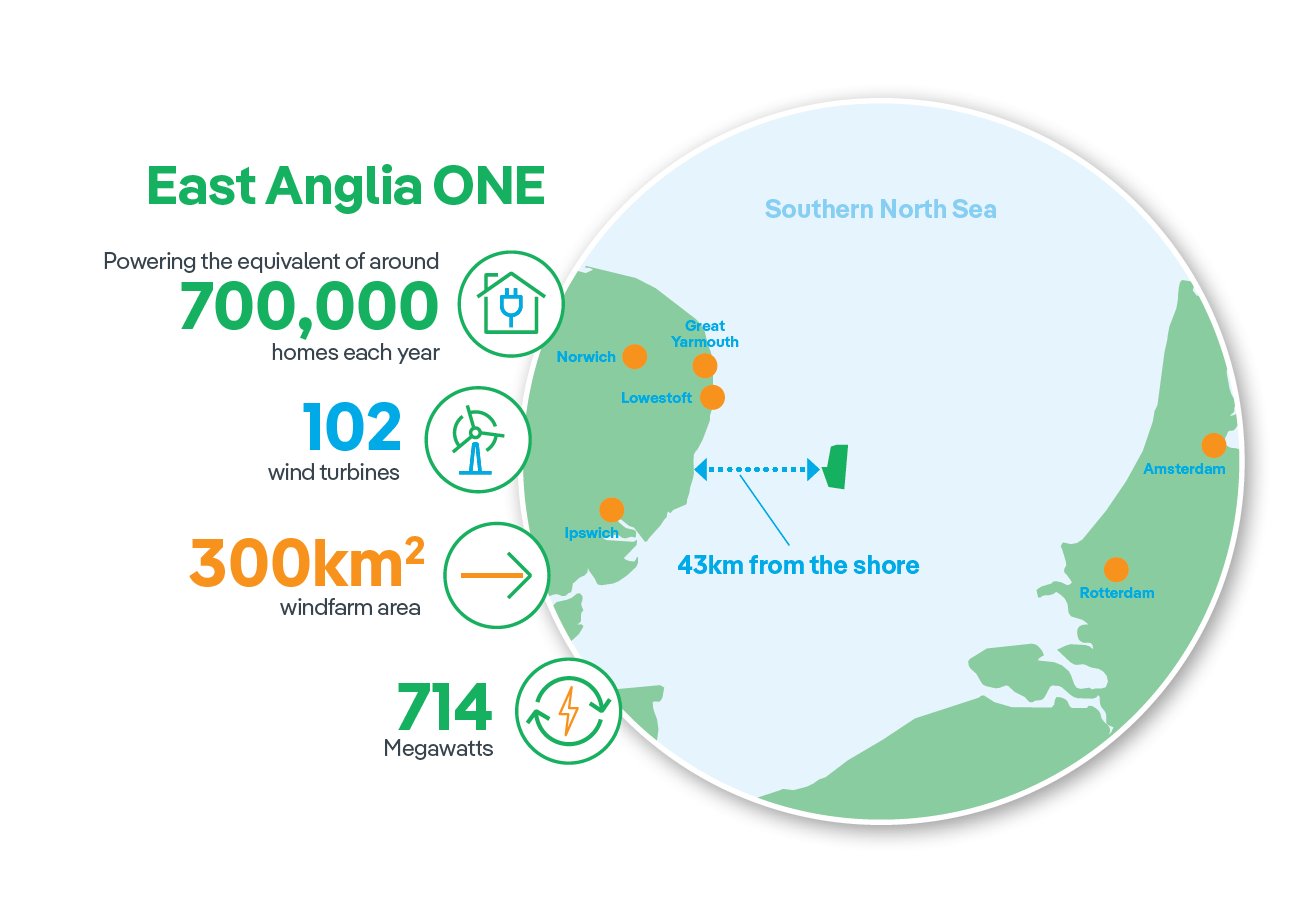
I have analysed the output from the East Anglia 1 offshore wind farm, using daily data from the CfD database for winter 2022/23. The wind farm, which was fully running in 2020 has capacity of 714MW. During this 3-month period, it averaged 391MW, a load factor of 54.7%.

image

However, as the graph shows, it actually ranged from a low of 3GW to 668GW. There were 13 days when it ran at less than 10% of capacity.

Between Feb 6th and 15th, wind power was consistently below average, running at 124MW, and during a period of 4 days in January the average was just 60GW.

This is of course only one site, and wind conditions may have been different elsewhere, such as around Scotland. Nevertheless this part of the North Sea is where most of the new capacity planned is going to be located. Wind conditions will probably similar there to the North Sea coasts of Denmark and Germany, so wind droughts may affect their wind farms too.

It would therefore be dangerous to rely on getting more than 10% of offshore wind capacity all of the time in winter.

via NOT A LOT OF PEOPLE KNOW THAT

https://ift.tt/kHPphm5

September 10, 2024 at 06:31AM

Debunked: Childhood ‘air pollution’ exposure reduces income as an adult?

Related links: PNAS study

via JunkScience.com

https://ift.tt/mNFDI9f

September 10, 2024 at 04:39AM

Britain spending record £250m a month on electricity imports

From NOT A LOT OF PEOPLE KNOW THAT

By Paul Homewood

h/t Philip Bratby

Britain is importing record amounts of electricity from abroad at a cost of £250m a month following the closure of coal-fired and nuclear power stations, new analysis shows.

Some 20pc of the grid’s power needs were met through interconnectors with neighbouring countries during the second quarter of this year, according to energy company Drax.

The amount of power imported from abroad was double the volume generated by wind and solar farms, at about 12.2 terawatt hours. It was also about four times the amount of power exported.

Drax said the gross cost of importing power currently amounted to more than £250m per month – equivalent to about £3bn if sustained over a year.

The company said the rising use of interconnectors followed the closure of many of Britain’s ageing coal and nuclear power stations.

Coal generation is on track to end completely as part of efforts to reach net zero carbon emissions, while no new nuclear power plants have come online since Sizewell B in 1995.

The analysis for Drax was carried out by researchers at Imperial College London as part of the company’s quarterly electricity insights report.

Iain Staffell, an electricity systems expert at Imperial College London, said: “Much of Britain’s conventional power generators like coal and nuclear stations have retired in recent years.

“Fewer dispatchable generators means less competition and higher prices, making cheaper electricity from the Continent much more attractive to import.

“The Government must be mindful of the need to retain sufficient dispatchable generation capacity on our system for both energy security and affordability reasons as it works towards its ambition of having a clean power grid by 2030.

“Britain is always going to need weather-proof sources of power to keep the lights on.”

However, Mr Staffell added that interconnectors could also help to boost British energy security if domestic power generation was sufficiently maintained.

If Labour succeeds in reaching its targets to make the national power grid net zero by 2030, for example, he said there would be so much generation available that much of it would be available for export, bringing money into the UK.

He said: “Being able to either store this power at home through more storage capacity or selling it abroad is an attractive proposition.

“During periods of high winds in the North Sea but calmer weather on the Continent, exporting power could be potentially lucrative for the UK and help to lower bills for consumers here.”

https://ift.tt/G6cWOYB

.

I don’t know what planet Mr Staffell is on! When it is windy in the North Sea, it is almost certain to be windy over Northern Europe, where our exports will go. We would end up exporting at ultra low prices;

and it won’t be the windfarms making a loss, it will be us.

It is actually astonishing that imports are double wind and solar power, even despite the tens of billions in subsidies thrown at renewables. It is also very scary that we are now so reliant on power from Europe, over which we have no control.

via Watts Up With That?

https://ift.tt/XZ09amU

September 10, 2024 at 04:06AM