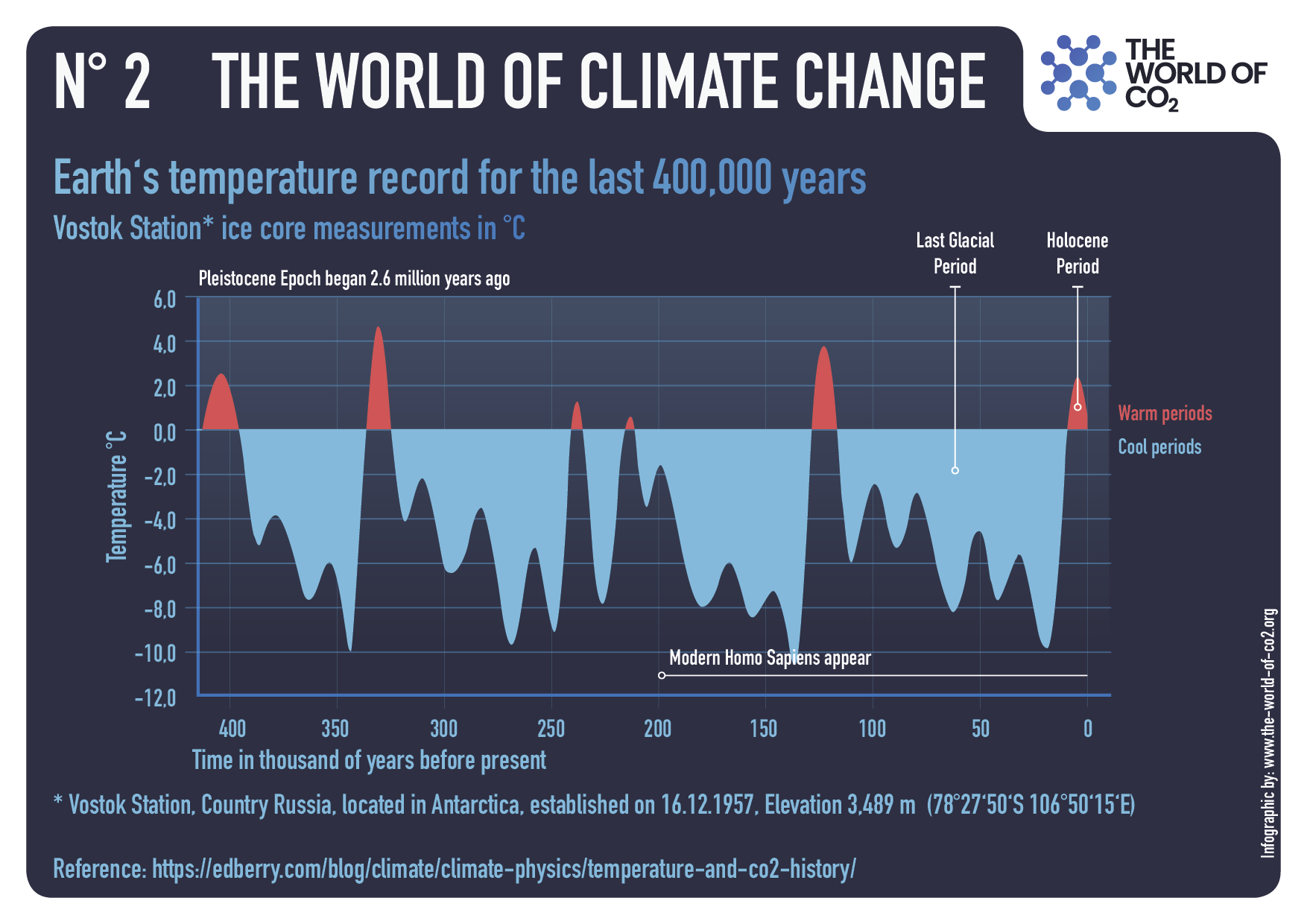
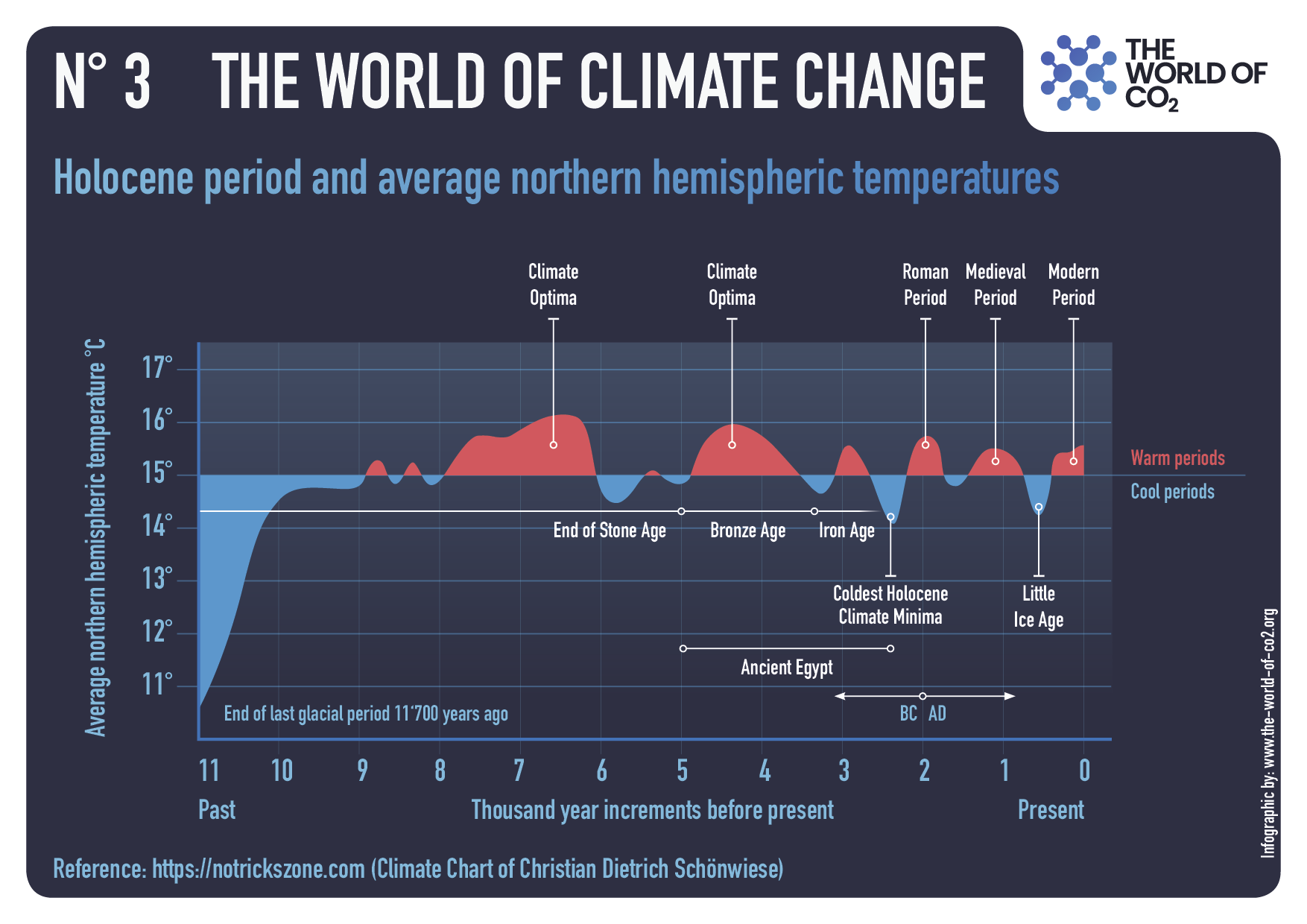
Selwyn Duke writes at American Thinker Let’s say man is changing the climate. So what? Excerpts in italics with my bolds and added images.
The temperature is rising!” “The temperature is dropping.” “The temperature is staying the same.”
We argue the “facts” of climate change (even as parts of New Jersey were just buried under 11 inches of global warming). One side wants the facts to show that man is disrupting the climate, while the other wants them to show that he’s not. But an almost never posed question should be asked:
Let’s say, for argument’s sake, that our industry
is causing global warming. So what?
No, I’m not a guy who “just wants to see the world burn” (and that would be literally). Rather, if anthropogenic climate change were occurring, why should we assume it wouldn’t be beneficial?
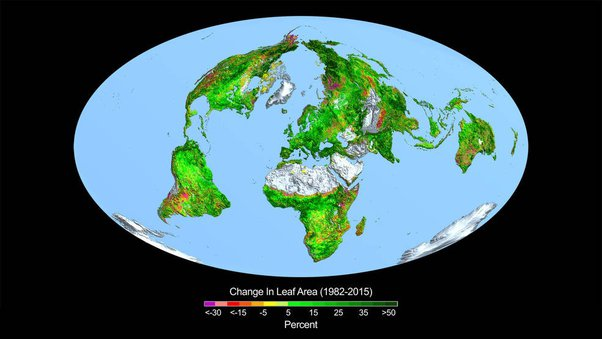
Greening of the earth from CO2 and warming.
Oh, it’s not just that the Earth is greener and crop yields are higher when CO2 levels are greater; it’s not just that relative warmth breeds life. It’s also this:
Some scientists have said the Earth will soon enter, or has already entered, a significant cooling phase. Others even contend that another ice age is nigh. And if this is so, any man-caused temperature increase would merely mitigate this naturally induced but deadly phenomenon.

One of these scientists was the late Professor S. Fred Singer, an atmospheric and space physics expert who had been a founding director of the Science & Environmental Policy Project. “I have recently become quite concerned about ice ages and the dangers they pose to humans on our planet,” he wrote in 2015 — “and indeed to most of terrestrial ecology.”
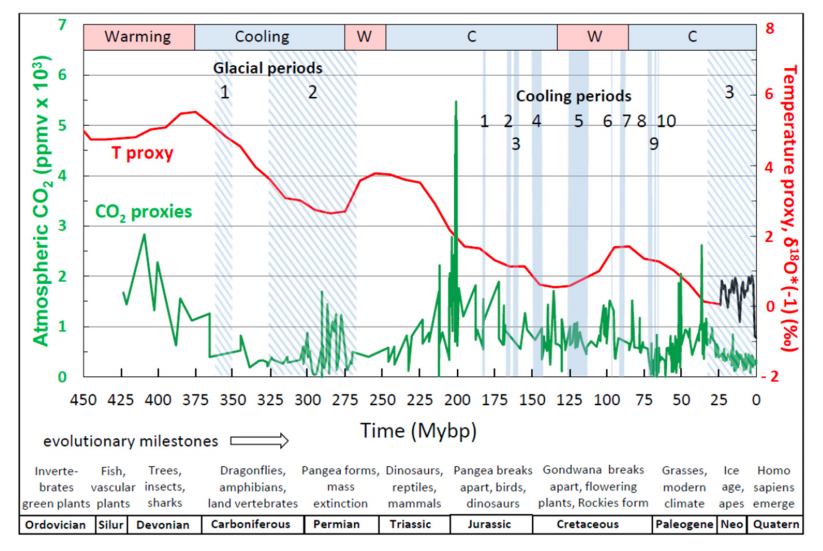 Singer explained later in his article that there “are two kinds of ice ages”:
(i) Major (Milankovich-style) glaciations occur on a 100,000-year time-scale and are controlled astronomically. (ii) “Little” ice ages were discovered in ice cores; they have been occurring on an approx. 1000-1500-yr cycle and are likely controlled by the Sun.
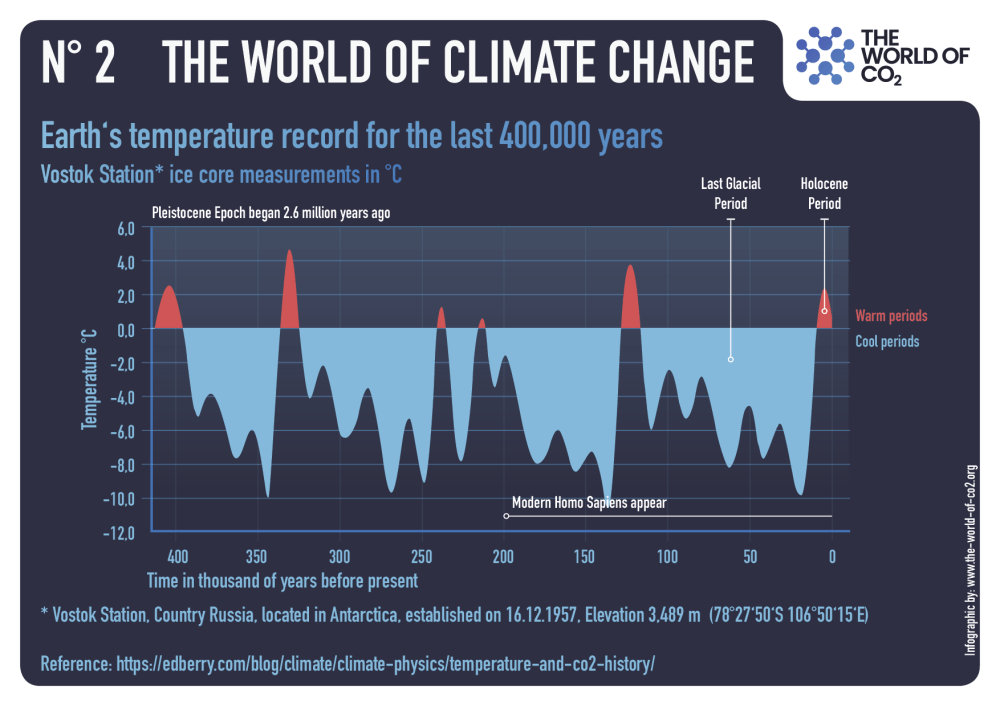
The scientist then warned that the “current cycle’s cooling phase may be imminent….”
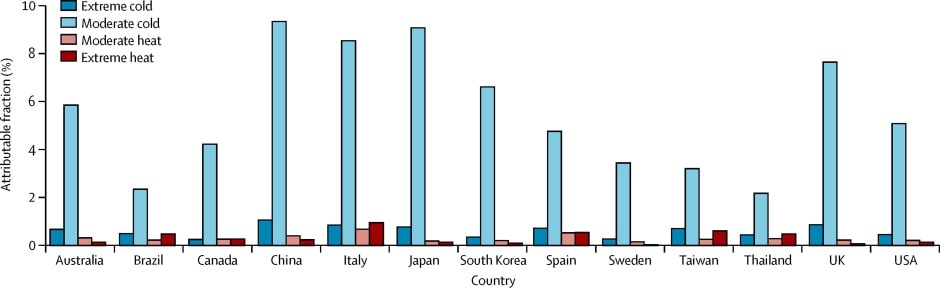
Now, this is a frightening prospect. Even the liberal New York Times admitted in 2017, reporting on a Lancet study, that “cold weather is responsible, directly or indirectly, for 17 times as many deaths as hot weather.” That’s in our relatively warm time, too. What would happen during a major ice age?
Well, “The coolings are quite severe,” informed Singer. “[T]he most recent one, ending only about 12,000 years ago, covered much of North America and Europe with miles-thick continental ice sheets and led to the disappearance of (barely) surviving bands of Neanderthalers; they were displaced by the more adaptable Homo Sapiens.”
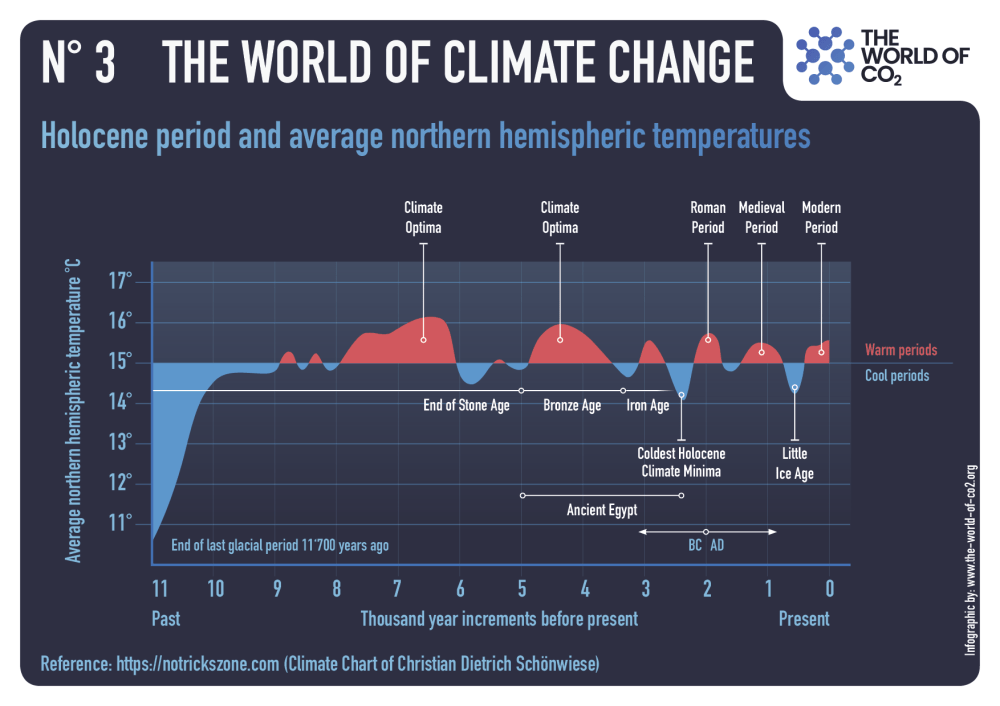
In other words, another major ice age would likely be a Hollywood-like, apocalyptic disaster. In fact, Singer insisted that we should be prepared to use scientific interventions to mitigate such an eventuality (while Bill Gates wants to do the same to cool down the Earth). To be clear, though, while Singer said that another ice age could begin tomorrow, it could also be tens of thousands of years away. And my article isn’t about hashing out the details, assessing probability, or recommending mitigation measures. (you can read Singer’s work for that). It is about this: prejudice.
Again, accepting for argument that man is significantly warming
the planet (not my belief), why assume this is bad?
In reality, moderns’ thinking so often reflects a kind of misanthropism or, at least, a bias against Western-triumph-born modernity. People believing that extraterrestrials furtively visit our planet never assume the aliens’ matter-of-course environmental impact could be malign; they’re too advanced. People pondering a hunter-gatherer tribe (e.g., the North Sentinelese) generally assume they just must live “in harmony with nature” and be innocuous; they’re too primitive. Never mind that American Indians deforested stretches along, and caused the sedimentation of, the Delaware River long before Europeans’ New World arrival (to provide just one perspective-lending example). The activities of man, or modern man or Western man, depending on the precise prejudice, just must be harmful for the simple reason that he engaged in them. So, yes, racial profiling is a problem — against the human race.
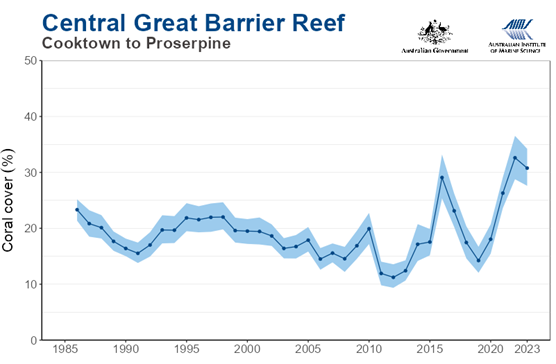
In fairness, we can do and have done much to damage the environment. In fairness again, though, forested area in the U.S. is greater than it was a century back and our water and air are cleaner than they were 60 years ago. And in recent times the Great Barrier Reef has actually increased in size (this isn’t necessarily due to man’s activities). So we can also be good shepherds of the Earth.
The odd thing, though, about the misanthropic prejudice is that implicit in it is an idea that man is akin to some unnatural, artificial presence. This, coming from people who generally also believe man is himself only an animal, a mere product of evolution; in other words, just another part of nature. And, of course, whether the result of divine creation or evolutionary happenstance, part of nature (or Creation) is precisely what man is.

As for the world’s fortunes, 99.9 percent of the species of life that have ever existed are extinct, partially due to ice ages. So ironically, if man’s activities — either accidentally, intentionally or both — mitigate the coming ice age, we humans may be responsible for counteracting the next great extinction.
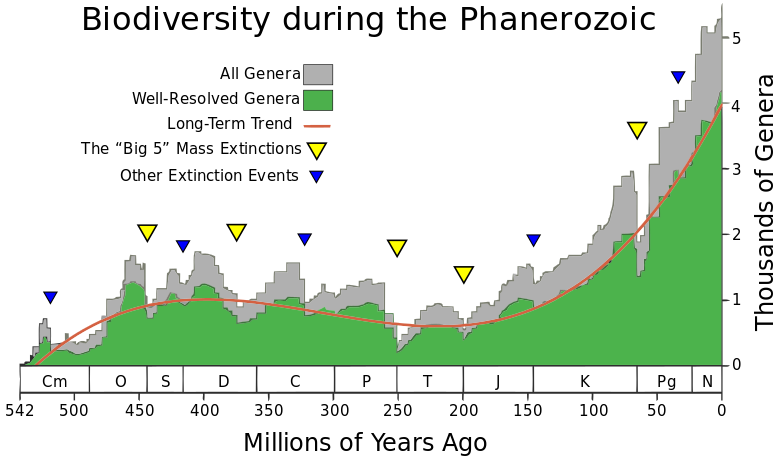
Source: Phanerozoic_Biodiversity.png Author: SVG version by Albert Mestre
via Science Matters
https://ift.tt/zb1glrd
November 25, 2024 at 10:44AM